
Last updated: June 2026
The good cultural routes know when to stop explaining and let a place sit for a minute.
Turkey cultural tours work best when a guide connects the layers without flattening them. Istanbul's imperial sites, Cappadocia's cave churches, Ephesus's Roman streets, Pamukkale's Hierapolis ruins, and coastal towns all need different kinds of attention.
Culture page planning notes
| Main anchor | Istanbul's historic core and Bosphorus districts set the tone for most cultural routes. |
|---|---|
| Second layer | Cappadocia adds Byzantine rock churches, underground cities, and village-based stays. |
| Aegean layer | Ephesus, Selcuk, Sirince, and Pamukkale need different timing from Istanbul city touring. |
| Watch for | Licensed guide details, museum/site order, pace, heat, mobility notes, and free evening placement. |
Istanbul needs more than monument counting
UNESCO links Istanbul's historic areas to more than 2,000 years of political, religious, and artistic history. A useful guide can make that visible without dragging the day through every date. The order matters: Sultanahmet can be dense, bazaars can drain energy, and a Bosphorus crossing changes how travelers read the city.
Future cultural listings should state how much of Istanbul is guided, how much is free, and which neighborhoods are included. A route that only names famous buildings may miss the ferries, food stops, and market rhythm that help the city feel coherent.
Cappadocia and Ephesus need different guide skills
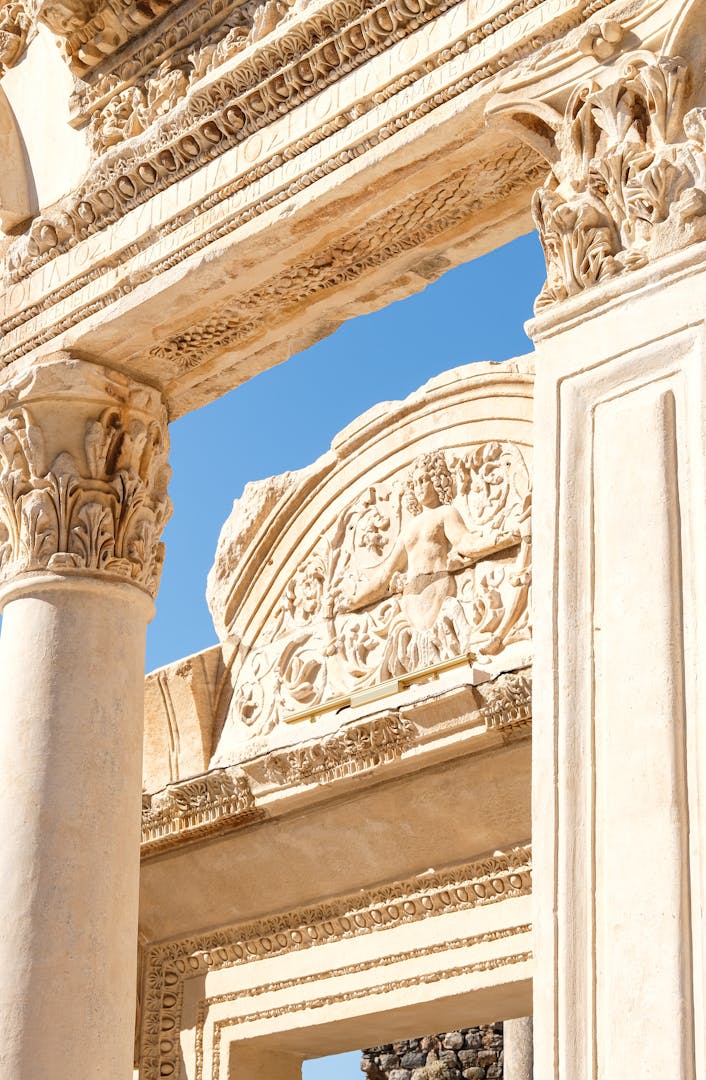
Cappadocia's rock-hewn churches and underground settlements reward patient explanation, but the region also needs time outside the museum track. Ephesus is more architectural and urban, with the Library of Celsus, Great Theatre, Terrace Houses, and harbor story shaping the day.
Strong cultural tours give each region its own style. Cappadocia should not feel like a quick photo set. Ephesus should not feel like a marble walkway with names attached.
Cultural route checks
| Site group | Good sign | Question to ask |
|---|---|---|
| Istanbul | Historic core plus neighborhood or ferry time | How much of the day is guided on foot? |
| Cappadocia | Valleys, cave churches, underground city, and local base named | Is balloon time treated as optional and weather-based? |
| Ephesus | Early visit, clear Selcuk or Izmir base, Terrace Houses logic | Does the guide handle heat and crowd timing? |
| Pamukkale | Hierapolis paired with terrace rules and timing | Is it a rushed transfer stop or an overnight plan? |
Match Hotels to Site Timing
Cultural routes depend on early starts and short transfers. Compare stays in Sultanahmet, Galata, Goreme, Uchisar, Selcuk, Kusadasi, and Pamukkale before choosing a future listing.
Frequently Asked Questions
What is included in Turkey cultural tours?
Strong cultural tours usually include Istanbul, Cappadocia, and one Aegean or Pamukkale section, with guided site visits and planned transfers.
Are Turkey cultural tours suitable for seniors?
Yes, if walking surfaces, stairs, heat, hotel access, and daily pace are described clearly before inquiry.
Do I need a guide in Ephesus?
A guide helps. Ephesus is easier to understand when the harbor, Roman city plan, Library of Celsus, and theatre are connected.
How many days are best for cultural Turkey?
Seven days can cover Istanbul and Cappadocia. Ten days gives better room for Ephesus, Pamukkale, or coastal towns.