
Some links in this article may earn ToursZoom a commission at no extra cost to you — see our affiliate disclosure.
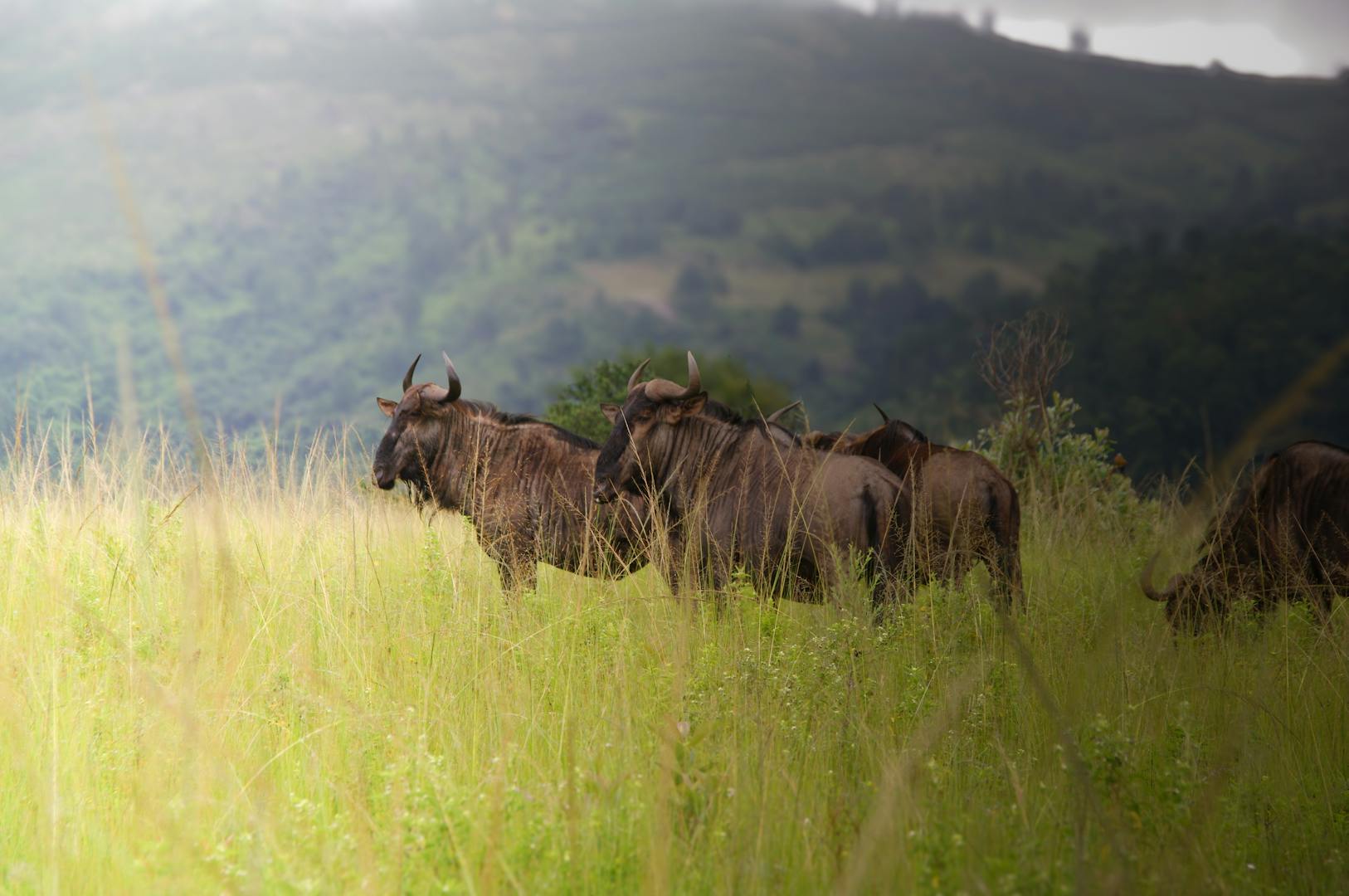
Serengeti safari tours should state where in the park the route spends its nights, not just that Serengeti is included. Central, northern, western, and southern-season routing create different wildlife odds, transfer days, and camp choices.
Serengeti is too large for vague itinerary copy.
Updated June 2026. No active Tanzania tour cards are published on ToursZoom yet.
Short Version
- Best fit: travelers making Serengeti the main reason for a Tanzania safari.
- Best route: Arusha to Serengeti with Ngorongoro, or a fly-in route that protects field time.
- Watch-out: migration guarantees and listings that do not name the Serengeti area.
At-a-Glance Fit
| Best fit | Wildlife-focused travelers, photographers, migration-season travelers, and first-time safari guests. |
|---|---|
| Route shape | Two to four Serengeti nights, with sector choice matched to season and transfer method. |
| Good length | 5 to 8 days for Serengeti plus Ngorongoro, longer when adding Tarangire, Manyara, or Kenya. |
| Watch for | Serengeti sector, camp location, road or air transfer, guide model, and migration wording. |
The Trip in Real Terms
The Serengeti name can hide a weak itinerary. A short route might touch the central area and leave. A stronger one states the sector and explains why that area fits the season. Northern Serengeti can matter for migration-season planning. Southern plains and Ndutu-style routing matter at different times. Central areas can work across many routes.
Transfer method changes the trip. Driving can make sense when the route links Ngorongoro and Serengeti in a clean sequence. Flying can protect time and reduce fatigue, but baggage limits, airstrip names, and camp transfers should be stated.
They should name the sector, camp area, number of drives, vehicle type, guide model, and whether the route has enough nights to make Serengeti more than a label.
How the Days Should Be Built
| Route section | How to use it |
|---|---|
| Choose the season window | Match the Serengeti area to the travel month without promising exact animal movement. |
| Name the sector | Central, northern, western, and southern-season routing should not be treated as interchangeable. |
| Protect the nights | Two nights is thin. Three or more gives the route more room for weather, distance, and quiet hours. |
| Plan the transfer | Show whether travelers drive, fly, change camps, or connect through Ngorongoro. |
Best Traveler Fit
Use this page if Serengeti is the anchor of the trip. It fits travelers who care more about field time and seasonal logic than checking the name off a route map.
Plan the Overnight Bases First
Use accommodation research to test the route. A safari plan can look strong until the overnight base sits too far from the gate, crater descent road, or airstrip.
Keep Planning
- Best Tanzania safari tours
- Ngorongoro Crater tours
- Tanzania luxury safari tours
- Tanzania safari tours in July
- Tanzania safari tours in June
- Tanzania safari tours in August
Common Questions
How many nights do I need in Serengeti?
Two nights is the lower end. Three or more nights usually gives better wildlife time and reduces the risk of a rushed route.
Which Serengeti area is best?
The best area depends on month, wildlife goals, and route direction. Listings should state the sector instead of only saying Serengeti.
Can I see the migration in Serengeti?
You can plan for migration seasons, but exact movement changes with rain and grazing. No operator should guarantee a crossing or herd location.
Does ToursZoom list Serengeti safaris yet?
Not for self-serve booking yet, and you do not need to wait for it. Tell us your dates and what you want, and we will arrange it directly with local operators. Enquire: info@tourszoom.com.