
HOTEL OWL Tokyo
Tokyo
View deal on Hotels.com →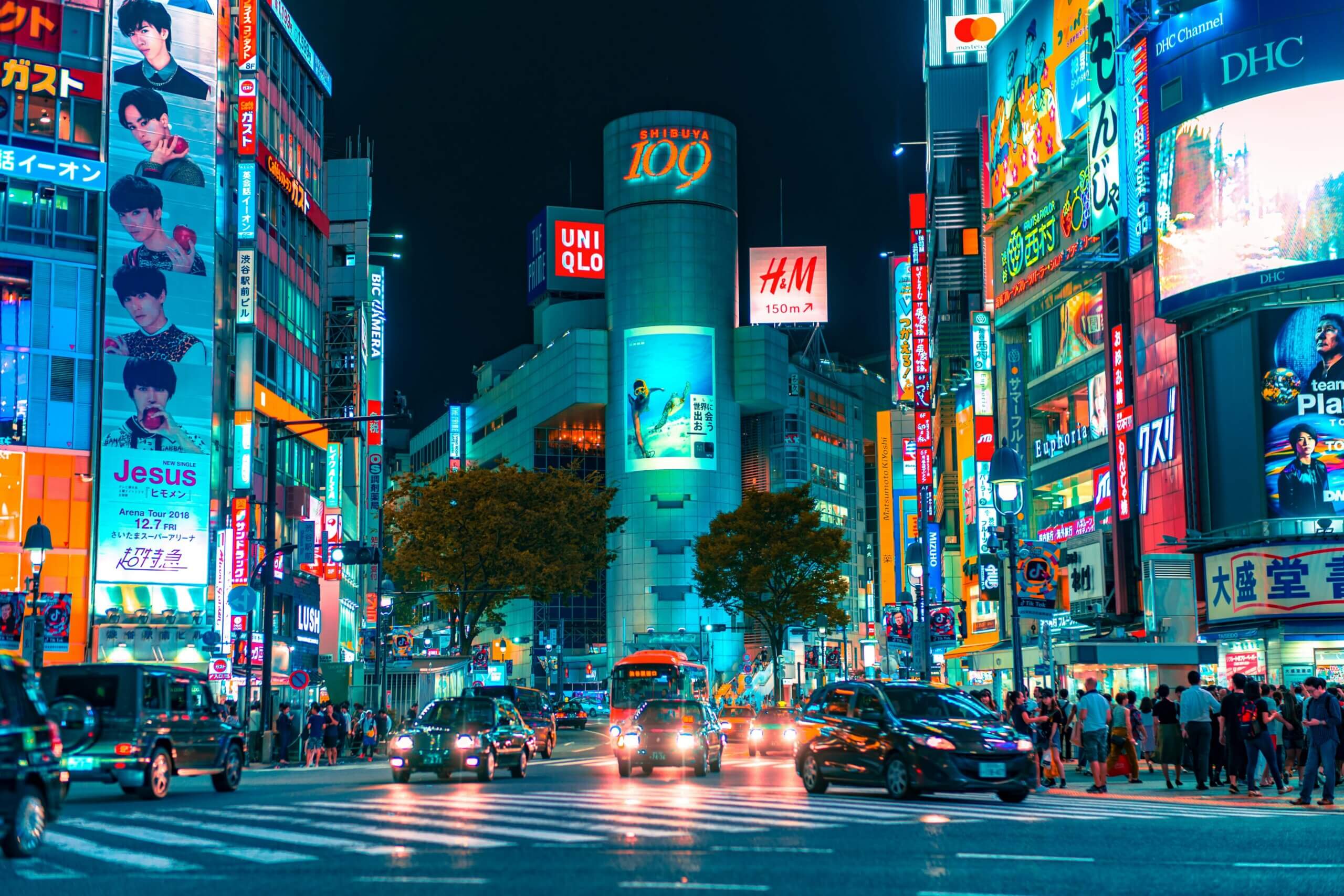
Japan moves with precision, beauty, and surprise. View Mount Fuji, pass through the red torii gates of Fushimi Inari Taisha, and feel Tokyo's pulse at Shibuya Crossing. Temples, bullet trains, gardens, ramen counters, hot springs, design districts, and seasonal blossoms create a journey that is both deeply traditional and unmistakably modern.
Tokyo
View deal on Hotels.com →
Tokyo
View deal on Hotels.com →
Tokyo
View deal on Hotels.com →
Tokyo
View deal on Hotels.com →
Tokyo
View deal on Hotels.com →
Tokyo
View deal on Hotels.com →
Tokyo
View deal on Hotels.com →
Tokyo
View deal on Hotels.com →See all hotels in Japan on Hotels.com →
ToursZoom may earn a commission from bookings made through these links, at no extra cost to you.
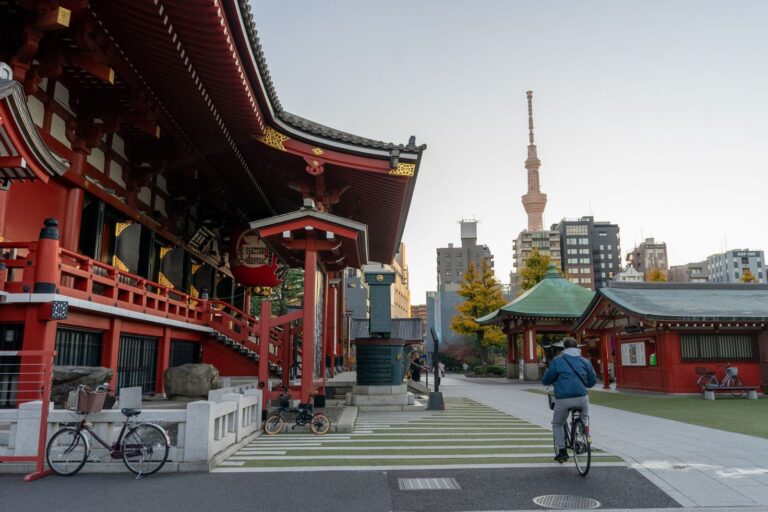
Plan your 10-day Japan itinerary the smart way. Tokyo, Kyoto, Osaka and the decisions that first-timers get wrong. Real advice from a…
Read guide →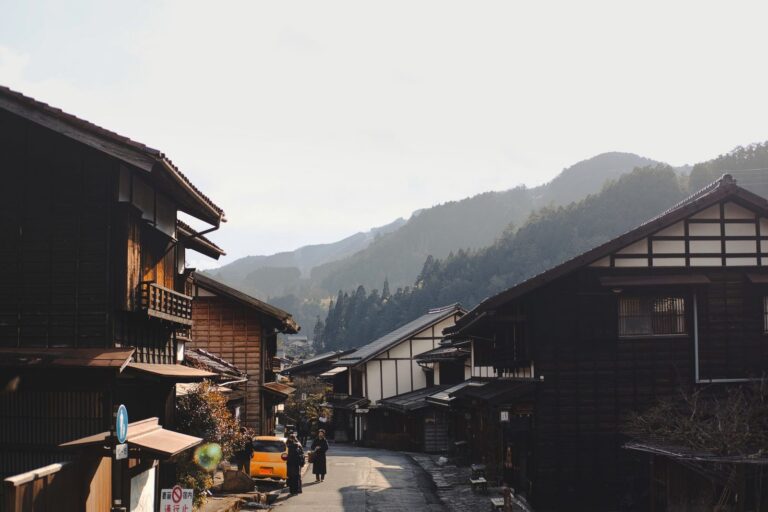
Everyone knows the highlights. Cherry blossoms in Kyoto. Shibuya Crossing. Mount Fuji at dawn. And yes, those are worth doing. But they’re…
Read guide →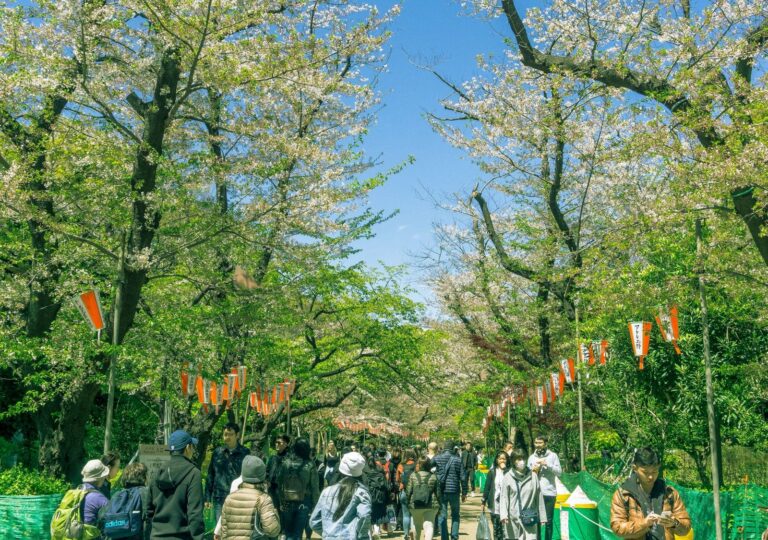
Japan runs a festival almost every week of the year. Shinto shrines, rice harvests, ancestral remembrances, seasonal changes. Virtually every moment in…
Read guide →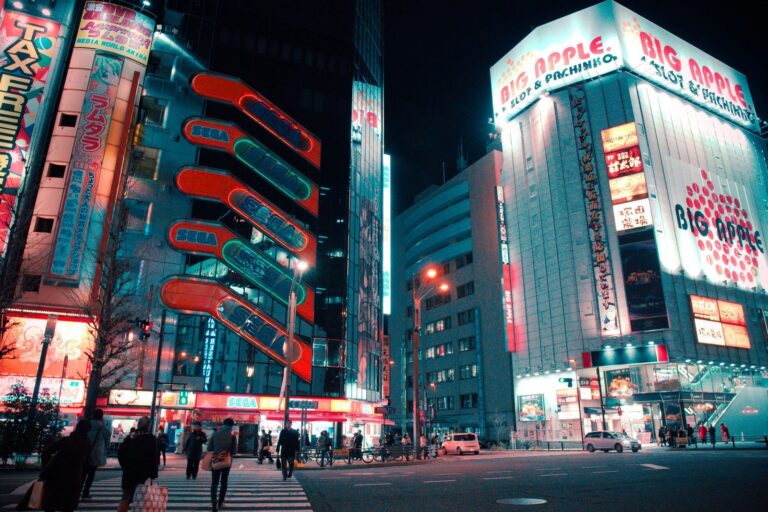
Your complete guide to Japan tours in 2026. Explore the best regions from Tokyo to Okinawa, classic itineraries by duration, seasonal timing,…
Read guide →Citizens of around 70 countries — including the US, UK, EU nations, Australia and Canada — can enter Japan visa-free for up to 90 days. Japan does not require six months of passport validity, just enough to cover your trip. Check the Ministry of Foreign Affairs site for your nationality.
Spring (late March–May) for cherry blossoms and autumn (October–November) for foliage are the most popular — and most crowded — seasons. Summer is hot and humid with a typhoon risk; winter is cold but uncrowded, with excellent skiing in Hokkaido. May and September are quieter sweet spots.
Yes — Japan is still cash-heavy. Major hotels, chains and convenience stores take cards, but many small restaurants, shrines, street stalls and rural businesses are cash-only. Carry ¥10,000–20,000 and top up at 7-Eleven or Japan Post ATMs, which accept international cards.
A Suica or Pasmo is a rechargeable IC card you tap for trains, subways, buses and convenience-store purchases. It's the single most useful thing to carry. Pick one up (or set up Mobile Suica on your phone) when you land at the airport.
Only if you're making multiple long-distance trips, such as Tokyo–Kyoto–Hiroshima. A 7-day pass is roughly ¥50,000, and recent price rises mean point-to-point tickets are often cheaper. Calculate your actual route before buying.
Yes — Japan has one of the lowest crime rates in the world and solo travellers generally feel very safe. The main thing to prepare for is natural events like earthquakes and typhoons, so note your hotel's evacuation route on arrival.
Don't tip — good service is expected and tipping can cause confusion. Take your shoes off where others do, keep your voice down and avoid phone calls on trains, don't eat while walking, and carry your rubbish with you, since public bins are rare.
Seven days covers a first Tokyo–Kyoto trip; ten to fourteen is ideal for a Tokyo–Kyoto–Osaka route plus one extra region, without sprinting. For shorter trips, a smaller route almost always makes a better first visit.
Tokyo, with nearby Hakone and Nikko, is the usual starting point, paired with the old capitals of Kyoto and Nara, and often Osaka. It's the classic, well-paced first-timer route before venturing further afield.
Buy a SIM or eSIM, or rent a pocket Wi-Fi device — connectivity is essential for maps and translation apps. Sort it before departure or pick it up at the airport on arrival.
Slip-on shoes (you'll remove them at temples, ryokan and some restaurants), smart-casual clothing rather than gym wear in cities, and layers for the season. Consider forwarding luggage between hotels with the takuhaibin service to avoid hauling bags on trains.
For cherry-blossom season (late March–early April), autumn foliage (November) and Golden Week, book flights and hotels two to three months ahead, and popular Kyoto ryokan three to four months ahead. Off-peak, two to four weeks is usually enough.
ToursZoom is a booking intermediary that connects travellers with independent tour operators. ToursZoom does not operate, conduct, or supervise any tours. All tours are provided by third-party operators who are solely responsible for the travel experience, safety, and services delivered.