
Some links in this article may earn ToursZoom a commission at no extra cost to you — see our affiliate disclosure.
Japan occupies a rare position in global travel. Deeply traditional and relentlessly modern at the same time. Ancient temples sit minutes from neon-lit cities. A 300 km/h bullet train drops you into a village that hasn’t changed since the Edo period. The contrast isn’t a contradiction. It’s the whole point.
In 2026, Japan tours are in full form after several years of tourism recovery, and the yen remains historically favourable for US and European visitors. It’s one of the few destinations where you get more for your money than you did five years ago.
This guide covers everything: which regions to prioritize, how to structure your days, what things cost, and what to eat and experience that you won’t find in a highlight reel.
Best Regions and Routes in Japan
Japan is divided into distinct regions, each with its own character. A good tour doesn’t just hit the famous stops. It builds a logical route that respects geography and pace.
Tokyo and the Kanto Region
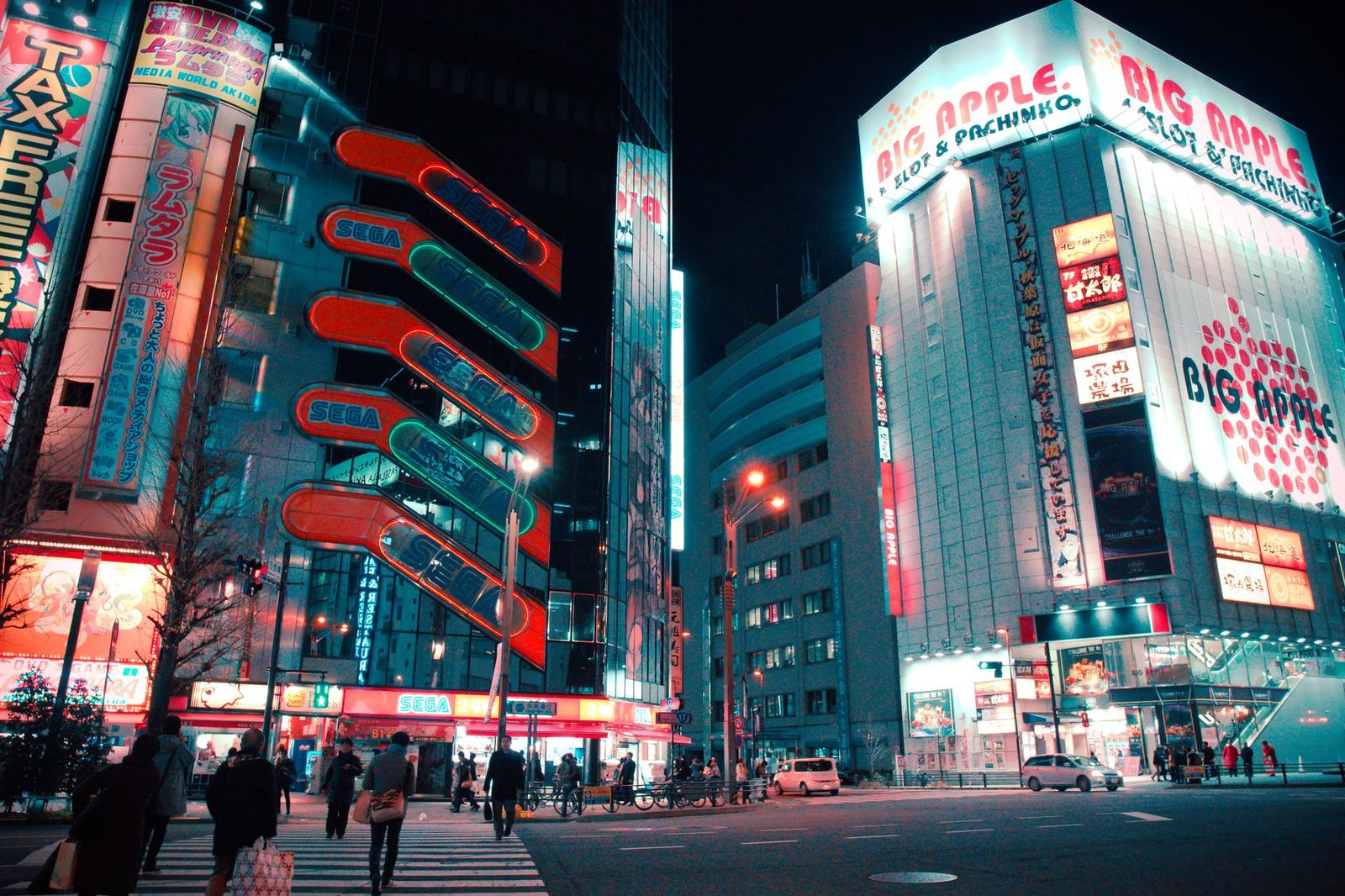
Tokyo is enormous and inexhaustible. Most first-timers spend 3 nights and leave feeling they barely scratched it. The key is choosing which Tokyo to focus on. The electronics and anime districts of Akihabara, the fashion chaos of Shibuya and Harajuku, the old-town feel of Yanaka, the upmarket calm of Daikanyama. A guided city tour on day one helps orient the scale. After that, you can move independently.
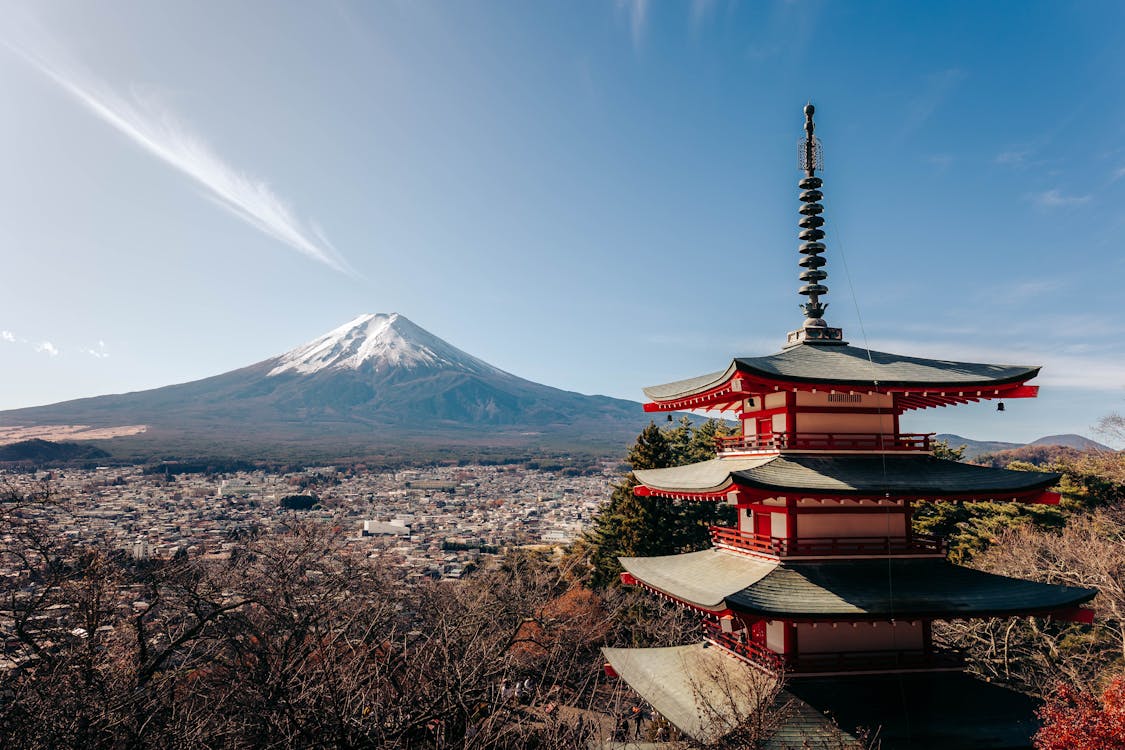
Day trips from Tokyo worth considering: Nikko (ornate mountain shrines, 2 hours north), Kamakura (coastal temples and the giant Daibutsu bronze Buddha, 1 hour south), Hakone (Mount Fuji views and onsen, 1.5 hours west).
Kyoto and the Kansai Region
Kyoto is where Japan’s historical depth becomes most visible. Over 1,600 Buddhist temples and Shinto shrines, and 17 UNESCO World Heritage sites within the Historic Monuments of Ancient Kyoto listing alone, plus the best-preserved traditional townscapes in the country.
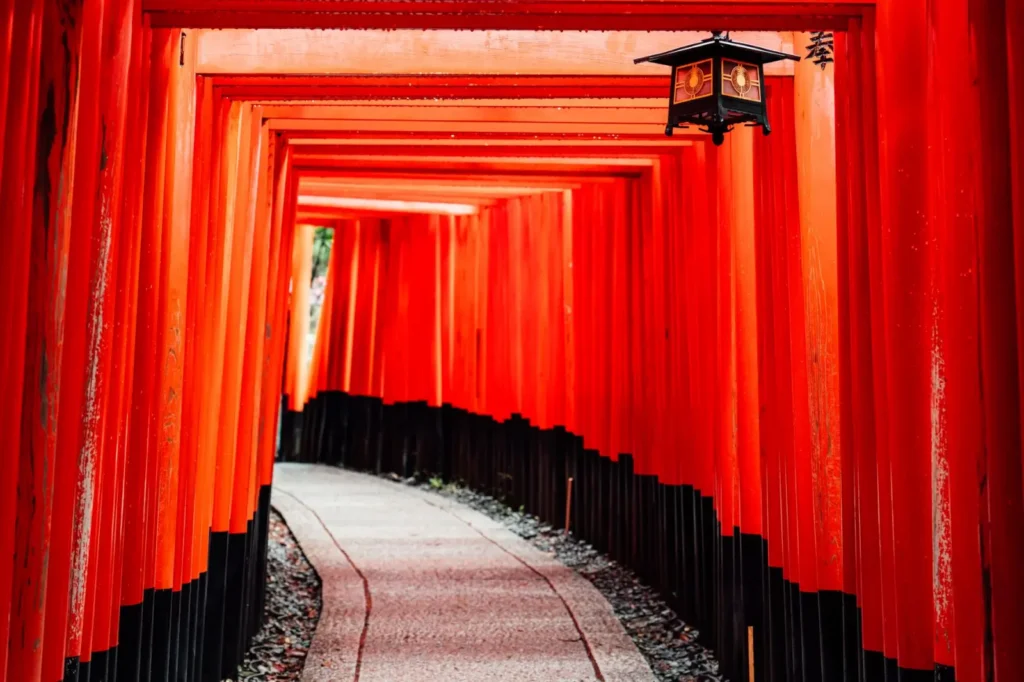
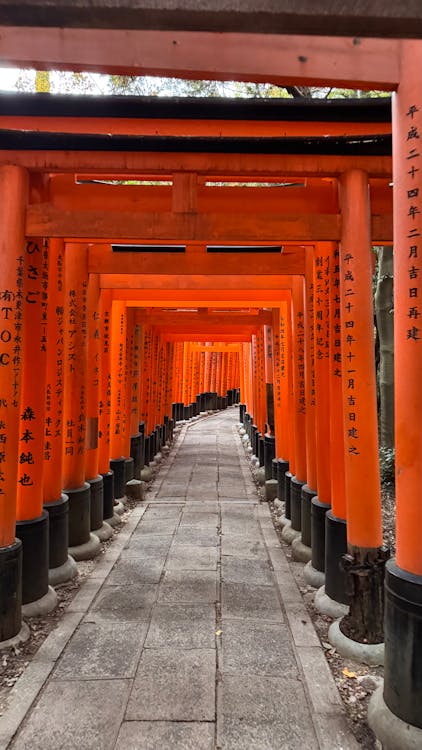
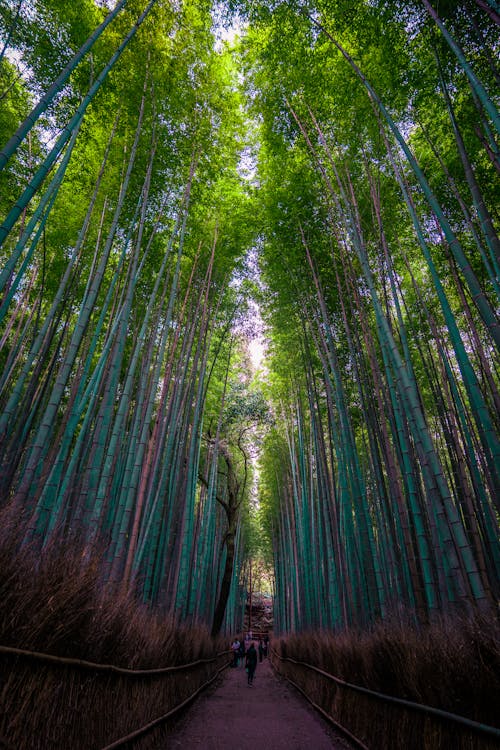
Don’t try to cover everything. Fushimi Inari, the thousands of torii gates winding up a forested hillside, is best at 6am before the crowds. Arashiyama’s bamboo grove takes about 20 minutes to walk and is more atmospheric at dusk. Gion district is beautiful in the evening, when the chance of spotting a geiko or maiko walking between appointments is highest.
Nara is 45 minutes from Kyoto by train. The deer really do bow for crackers. The Great Buddha at Todai-ji is larger than most people expect. The building housing it is the largest wooden structure in the world.
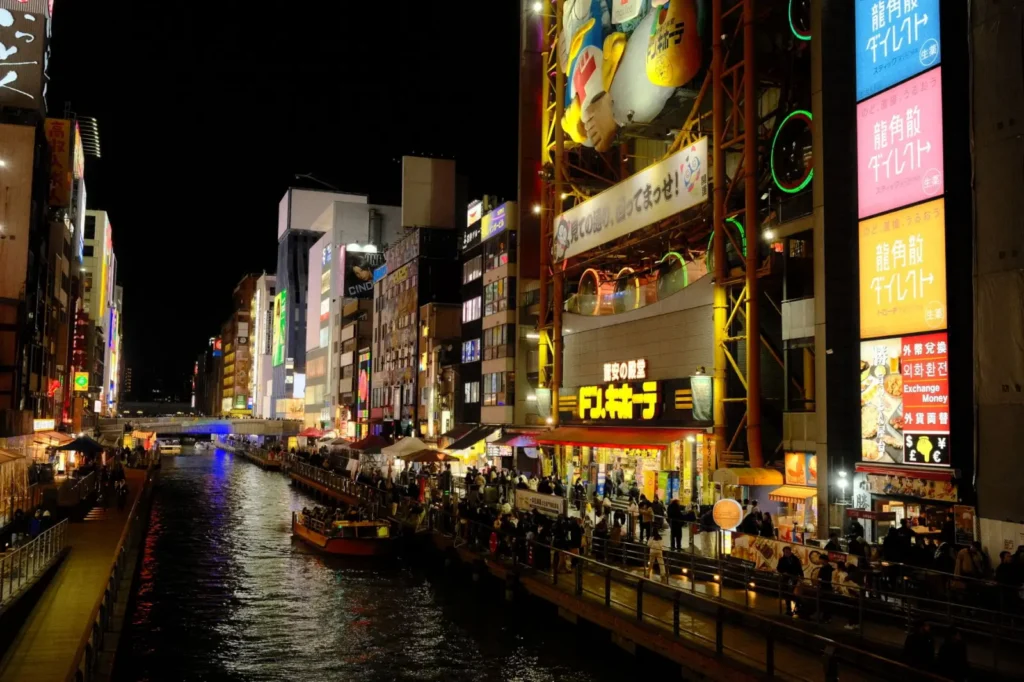
Osaka is Kyoto’s louder, hungrier sibling. Come for the street food. Stay for Dotonbori at night.
Japanese Alps and Beyond
Most group tours skip the interior. That’s the opportunity. Shirakawa-go (UNESCO-listed thatched-roof farmhouses in a mountain valley), Matsumoto (one of Japan’s best original castles), and Kanazawa (often called “little Kyoto”, gardens, samurai districts, exceptional seafood) are all accessible on a Tokyo-Kyoto route with minor route adjustments.
These destinations are best approached with a guide who knows the local bus schedules. Many Japan tour packages now include the Alps as an alternative to the standard Tokyo to Kyoto to Osaka corridor.
Classic Japan Itineraries by Duration
7 Days: The Classic First Trip
- Days 1 to 3: Tokyo. Shibuya, Meiji Shrine, Akihabara, Tsukiji Outer Market, optional Hakone or Kamakura day trip
- Day 4: Shinkansen to Kyoto, afternoon at Fushimi Inari and Gion
- Day 5: Kyoto temples. Kinkaku-ji, Arashiyama, tea ceremony experience
- Day 6: Day trip to Nara, evening in Osaka’s Dotonbori
- Day 7: Osaka street food tour, departure
Seven days is the minimum that makes the Japan Rail Pass worth it and gives you a coherent picture. Rushed, but doable.
10 Days: Room to Breathe
Adds Hiroshima and Miyajima Island (the floating torii gate), a night in Hakone with Mount Fuji views, and a ryokan experience in a traditional inn. This is the itinerary most repeat visitors wish they’d done first time.
14 Days: The Deeper Cut
Two weeks opens up the Japanese Alps (Shirakawa-go, Kanazawa), Kyushu island (Fukuoka’s ramen culture, volcanic Beppu onsen), or Hokkaido in the north (Sapporo, lavender fields, ski resorts in winter). The shinkansen network makes these accessible without internal flights.
“The travelers who come back are almost always the ones who did 14 days the first time. Seven days gives you Japan. Two weeks starts to explain it.”
— a Kyoto-based tour guide
Best Time to Visit Japan
Japan has four distinct seasons and no bad time to visit. Only trade-offs.
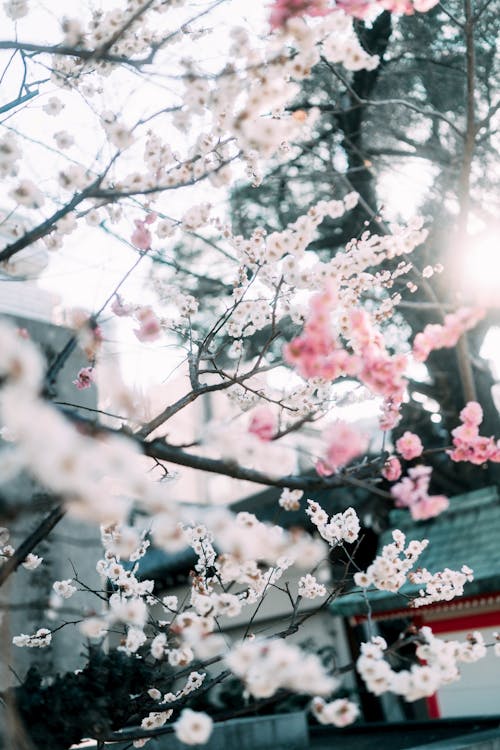
Late March to mid-April: Cherry blossom season. The most popular window. Sakura blooms last 1 to 2 weeks and the timing shifts by a few days each year based on temperature. Kyoto and Tokyo fill up fast. Book tours 4 to 6 months ahead. Prices are at their annual peak.
May and October: Best weather, moderate crowds. May has green landscapes, comfortable temperatures (65 to 75°F), and post-cherry-blossom pricing. October brings cooler air, early autumn color in the mountains, and good visibility for Mount Fuji. Both months are excellent choices for a first trip.
November: Autumn foliage. Koyo rivals cherry blossom season for sheer visual impact. The colors peak in different regions at different times. Nikko in late October, Kyoto in mid-November. Also busy, also worth it.
June: Rainy season, lowest prices. June has a reputation for rain that’s slightly worse than the reality. Mornings are often clear. Crowds are at their thinnest. Accommodation prices drop noticeably. Temples and gardens are lush and green in ways they aren’t in summer.
January and February: Winter Japan. Not ideal for a first trip, but exceptional for skiers (Hokkaido, Nagano) and anyone who wants to see Kyoto dusted in snow. The Sapporo Snow Festival in early February is one of Japan’s most spectacular events.
Cultural Experiences Worth Planning Around
Japan rewards travelers who engage with the culture rather than just observe it.
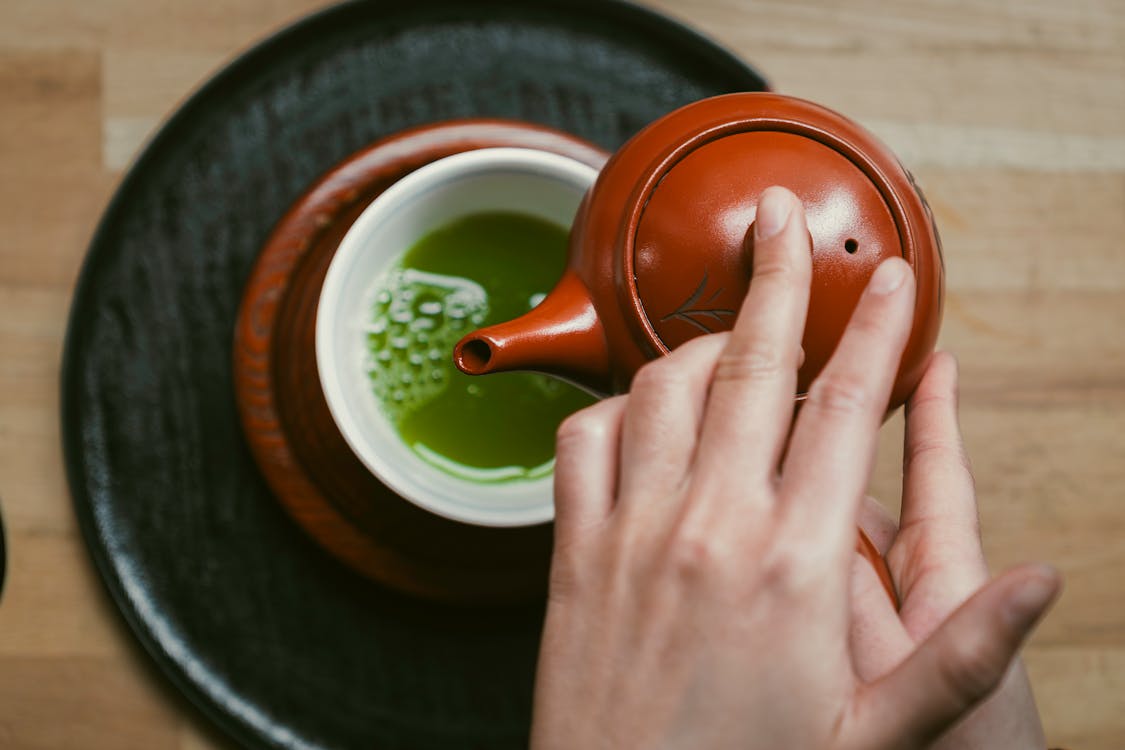
Tea ceremony (chado). Far more than drinking matcha. A traditional tea ceremony is a slow, deliberate meditation on mindfulness, seasonality, and hospitality. Kyoto and Uji (the tea-growing heartland, 30 minutes from Kyoto) offer the most authentic settings. Historic tea houses with tatami floors and garden views. Budget 90 minutes, not 20.
Onsen. Communal hot spring bathing is central to Japanese culture. The etiquette is simple once explained: wash thoroughly before entering, no swimwear in the communal pools, small towel on the head or folded at the side. Sitting in mineral-rich water in a mountain rotenburo at night is one of those things Japan does that nowhere else does quite right.
Ryokan stay. A night in a traditional inn, futon bedding, yukata robes, multi-course kaiseki dinner brought to your room, is an experience no hotel replicates. Top regions: Hakone, Kinosaki Onsen, and the Iya Valley in Shikoku.
Kabuki or sumo. Both are accessible with an English-language guide who can provide context. Sumo tournaments run in January (Tokyo), March (Osaka), May (Tokyo), July (Nagoya), September (Tokyo), and November (Fukuoka). Kabuki plays run year-round at the Kabukiza Theatre in Tokyo and the Minamiza in Kyoto.
Food Tours in Japan: Where to Eat and What to Order
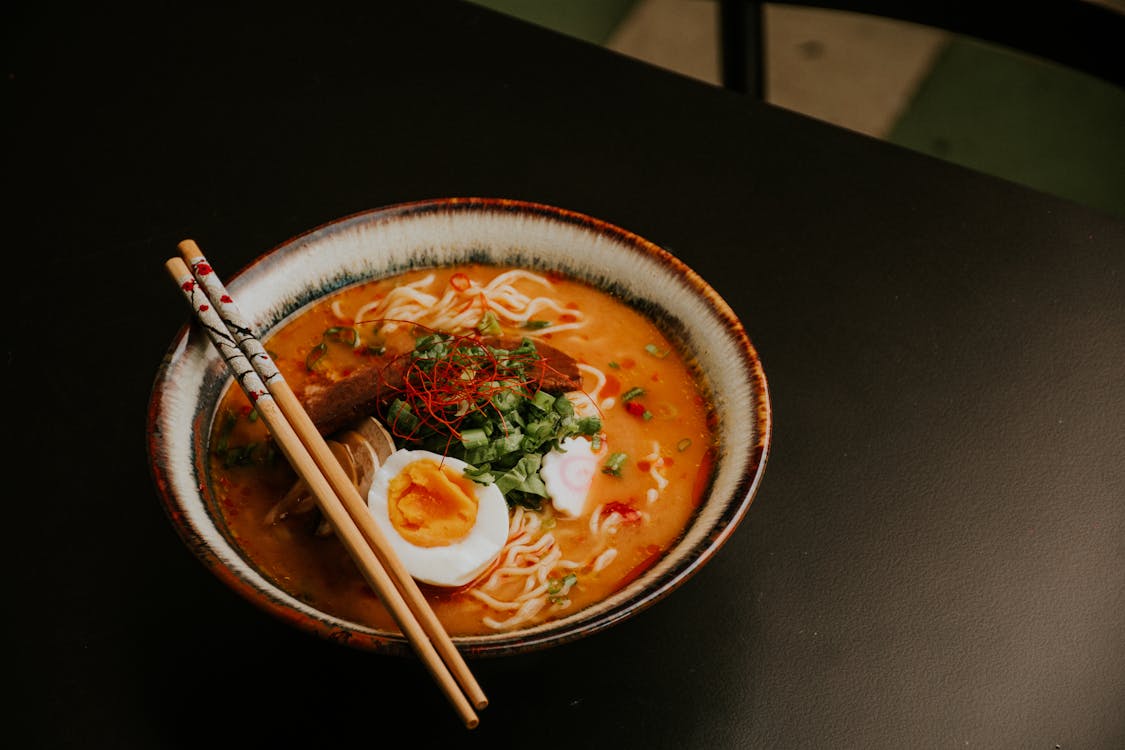
Japanese food tourism is a serious pursuit. Here’s where to focus.
Ramen. Each region has its own style. Tokyo’s shoyu (soy sauce), Sapporo’s miso with butter and corn, Hakata’s rich tonkotsu (pork bone). A multi-city Japan tour is, essentially, a ramen tour by default. Keep a running list. Compare.
Osaka street food. Dotonbori and Shinsekai are open-air food streets. The classic Osaka trio is takoyaki (octopus balls), okonomiyaki (savoury pancake), and kushikatsu (skewered, breaded, deep-fried everything). You should eat all three in a single evening.
Kyoto kaiseki. Multi-course haute cuisine built around seasonality, presentation, and restraint. Even a modest kaiseki lunch in Kyoto showcases ingredients and techniques unavailable anywhere else. This isn’t “nice Japanese food.” It’s a completely different category.
Depachika. Japan’s department stores hide gourmet food halls in their basements. Isetan in Shinjuku and Takashimaya in Nihonbashi are legendary for bento boxes, wagashi sweets, and free samples. Worth an hour of anyone’s afternoon.
Izakaya hopping. The Japanese equivalent of a pub crawl, but with good food. Small plates of yakitori, karaage, edamame, and draft beer in a lantern-lit alley. This is the Japan most visitors are hoping for and don’t always find.
Japan Travel Tips for First-Timers
The Japan Rail Pass. Buy it before you arrive in Japan. It’s only available to foreign tourists and must be purchased outside the country. The 7-day pass covers all Shinkansen travel between major cities and pays for itself on the Tokyo to Kyoto to Osaka route alone.
Cash matters more than you expect. Japan is less cashless than its tech reputation suggests. Many smaller restaurants, temples, and rural businesses don’t take cards. Carry ¥10,000 to ¥20,000 in cash at all times. ATMs at 7-Eleven and Japan Post accept foreign cards reliably.
Convenience stores are good. 7-Eleven, FamilyMart, and Lawson in Japan are not like convenience stores at home. Onigiri, fresh sandwiches, hot noodles, good coffee, all at low prices. Don’t skip them.
Tipping is not a thing. Don’t tip. It can cause confusion or be politely refused. Excellent service is the default, not something that requires a financial reward.
Shoes you can slip off easily. You’ll remove your shoes at ryokans, many temples, some restaurants, and people’s homes. Lace-up boots work against you.
How to Choose a Japan Tour Operator
Japan is well-served by tour operators, but quality varies substantially. What to check before booking.
- Guide language and depth. Not just English-speaking, but knowledgeable about Japanese history, culture, and logistics. The guide makes or breaks temple visits.
- Group size. Anything over 16 people becomes a traffic management exercise at busy sites. Ask specifically.
- Accommodation level. Ryokan nights should be part of any Japan tour worth booking. If there’s no traditional inn included, ask why.
- Included experiences vs. sold separately. Some operators quote low headline prices and charge for every experience on the ground. Get a full inclusions list.
- Local vs. international operator. Local operators with Japan-based guides typically have better restaurant access, site relationships, and contingency plans.
Frequently Asked Questions
How much does a Japan tour package cost?
Do I need a visa for Japan?
Citizens of 69 countries, including the US, UK, Canada, Australia, and most EU nations, can enter Japan visa-free for stays up to 90 days. Japan is implementing an electronic travel authorisation for select nationalities in 2026. Check official requirements before booking.
What’s the best month to visit Japan?
Late March to mid-April (cherry blossoms) and November (autumn foliage) are the most popular. May and October offer the best combination of good weather, moderate crowds, and fair prices. June is the best value month despite its rainy season reputation.
Is Japan safe for solo travelers?
Japan consistently ranks among the world’s safest countries for travelers. Violent crime is rare. Public transport runs around the clock in major cities. Solo female travelers consistently rate Japan as one of the most comfortable destinations they’ve visited.
Is the Japan Rail Pass worth buying?
For a 7-day trip covering Tokyo, Kyoto, and Osaka, yes. The 7-day pass covers all Shinkansen travel and pays for itself on that route alone. For shorter trips or travelers staying in one region, IC cards (Suica, Pasmo) work out cheaper.
What’s the best Japan itinerary for first-timers?
Tokyo (3 nights), Kyoto (2 nights), Nara day trip, Osaka (1 night) is the classic 7-day route. For 10 days, add Hiroshima and Miyajima Island. For 14 days, add Hakone and a ryokan night in the Japanese Alps.
Final Thoughts
Japan is the kind of country where the first trip tells you how much you didn’t know. Seven days gives you the highlights. Fourteen starts showing you the texture. Plan the route that matches your time, not the other way around, and book operators who build around ryokan nights, quiet morning visits, and the kind of restaurants that don’t advertise. The food is better than you expect. So is the trip.