
Some links in this article may earn ToursZoom a commission at no extra cost to you — see our affiliate disclosure.
Last updated: April 2026
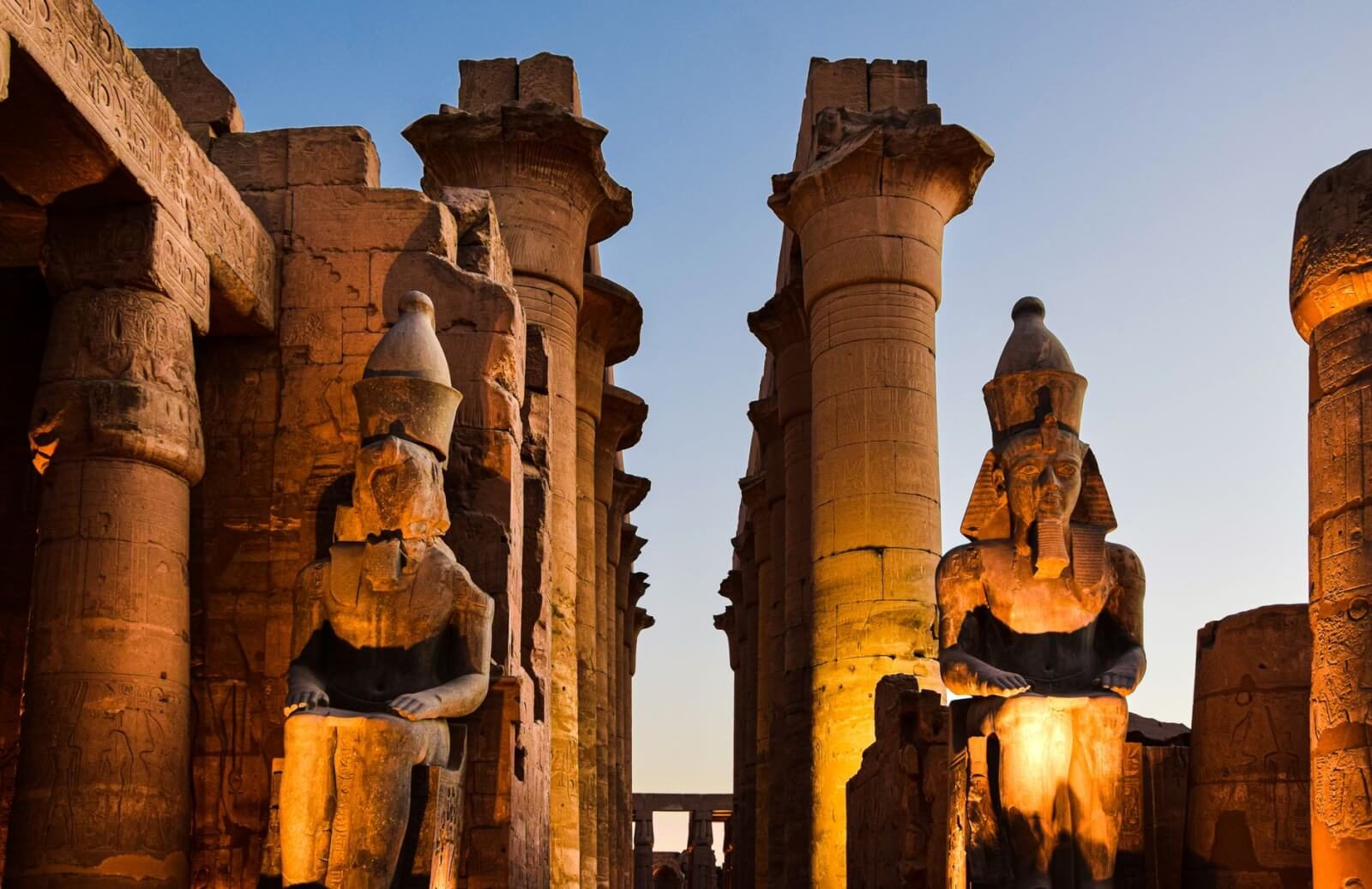
The best time to visit Egypt is October through April, when daytime temperatures in Luxor and Aswan stay between 20°C and 30°C. This is also the prime Nile cruise season. If avoiding crowds matters more than weather, consider February or late April — shoulder months with quieter sites and the same favourable climate.
In This Guide
- Why Timing Shapes the Entire Experience
- Egypt Season by Season
- Best Time for a Nile Cruise
- Managing Crowds at Major Sites
- How to Get the Most from Any Season
- Frequently Asked Questions
Why Timing Shapes the Entire Egypt Experience
Egypt is a year-round destination — the ancient sites don’t close, the Nile keeps flowing, and the sun reliably appears regardless of the calendar. But your experience at the Pyramids of Giza, inside the Valley of the Kings, or on the deck of a felucca between Luxor and Aswan will be profoundly different depending on when you arrive.
The two variables that matter most are temperature and crowds. In the peak months of December and January, both are at their most manageable — temperatures average 20–24°C across Upper Egypt, and international tour groups are numerous but moving quickly. In summer, temperatures in Aswan regularly hit 45°C, which changes what’s possible during daylight hours entirely.
Understanding Egypt’s rhythm lets you make an active choice about what kind of trip you want — not just accept whatever the guidebook suggests.
Egypt Season by Season
October to February — Peak Season
This is when Egypt is at its most visited and, for most travelers, its most accessible. Daytime temperatures across Cairo, Luxor, and Aswan range from 20°C to 32°C — warm enough for outdoor exploration all day, cool enough in evenings to need a light jacket.
The experience this time of year: full days at the sites, comfortable Nile cruises, vibrant evening atmospheres in Cairo’s Khan el-Khalili market, and sunsets over the Valley of the Kings that look exactly like the photographs that made you want to come.
Trade-off: December and January bring the highest visitor volumes of the year. The Pyramids complex at Giza and the Karnak Temple in Luxor can feel crowded between 9am and 2pm. Strategic timing (early arrival, late afternoon return) addresses this almost entirely.
Best for: First-time visitors, Nile cruises, families, anyone who wants reliably good conditions without compromising on comfort.

March and April — Shoulder Season
March and April are underrated. Temperatures start to climb (25–38°C by late April), but the spike in heat hasn’t arrived yet, and post-Easter the crowds thin noticeably. Easter week itself brings a surge of European visitors — the weeks immediately before and after are significantly quieter.
March also brings the Khamsin winds — hot, dusty desert winds that occasionally blow for a day or two, particularly in Upper Egypt. This is worth knowing rather than fearing: it’s rarely sustained, and the dramatic sky on a Khamsin day is unlike anything else.
Best for: Travelers who want peak-season conditions with fewer people. Late March and early April hit a genuine sweet spot.
May and June — The Transition
May marks the beginning of the heat. Daytime temperatures in Luxor and Aswan average 38–42°C. This doesn’t make Egypt impossible — it changes how you structure your days. Early mornings (6–10am) and late afternoons (4pm onwards) remain manageable. The middle of the day is for air-conditioned museums, riverboats, or rest.
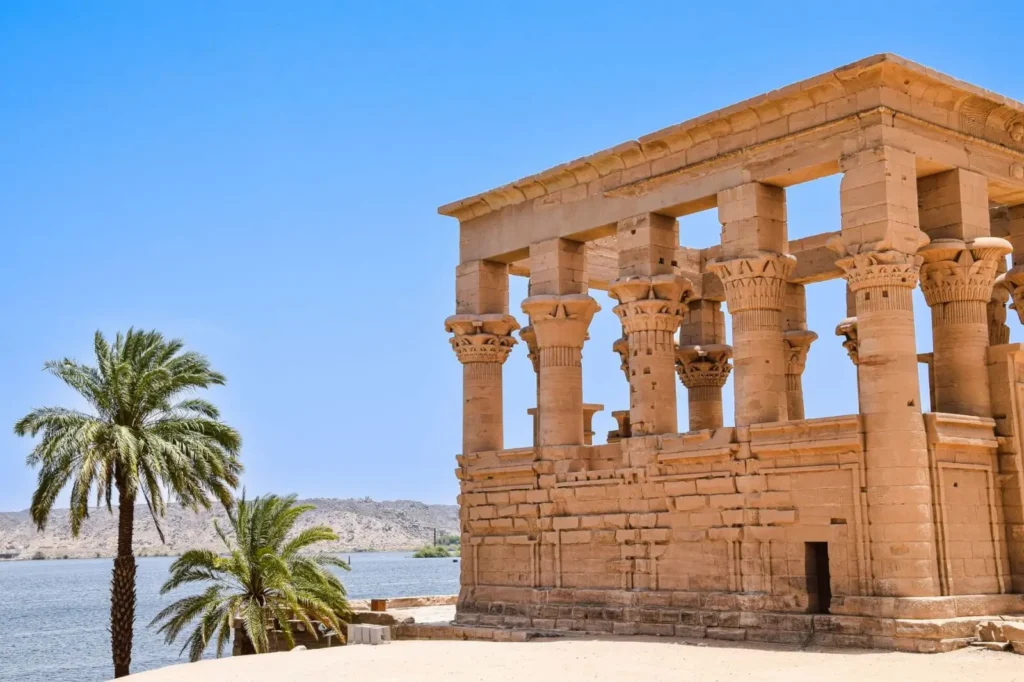
The upside: Egyptian sites in May and June are as empty as they get. If you’ve ever wanted to stand alone in the Temple of Philae or walk through the Luxor Museum without another visitor in sight, these months deliver that in a way no other season can.
Best for: Experienced travelers, those who prefer solitude over comfort, and anyone on a tighter budget (accommodation and tour prices drop significantly).
July to September — Summer
Aswan averages 45°C in July. Cairo sits at around 37°C. This is peak summer in one of the hottest inhabited places on earth. The Nile cruise market essentially pauses — many operators reduce or suspend sailings, and the experience of standing at an exposed site mid-afternoon is genuinely difficult.
That said, this is also the cheapest time to visit Egypt by a wide margin. Luxury hotels in Luxor available for the price of mid-range in December. The crowds at major sites are almost entirely absent. Some travelers find the empty, bleached-white sites of summer Egypt deeply atmospheric — there’s an honesty to the desert heat that strips away the Instagram layer.
Best for: Budget travelers who plan their day carefully around heat, and those who specifically want to experience Egypt without the tourist infrastructure.
Best Time for a Nile Cruise
A Nile cruise — whether a 4-night journey between Luxor and Aswan or a longer felucca sail — is the centerpiece of most Egypt itineraries. The Nile itself is available year-round, but the experience varies considerably.
October through March: prime sailing season
These are the months when the Nile cruise experience is at its best. The temperatures on deck are comfortable during the day, spectacular at sunset, and cool at night. Early morning arrivals at temples along the route — Edfu, Kom Ombo, Philae — happen in cool, golden light with minimal competing visitors.
Cruise ships on the Luxor-Aswan route number in the hundreds during peak season. This means the docking areas at Edfu and Kom Ombo temples can be busy. The solution: ask your operator about cruise lines that time their temple arrivals for early morning rather than mid-morning, or book a smaller dahabiya — the traditional wooden Nile sailing boat — which follows its own schedule entirely.

April and May: quieter but warm
The cruise season doesn’t officially end in April, but the number of ships thins out. This means more flexibility in timing, emptier temples on arrival, and more space at dock. Heat is a real consideration on an open deck by late April, but the mornings and evenings are still beautiful.
June through September: limited cruise availability
Most major cruise operators reduce schedules significantly. If a Nile cruise is the core of your Egypt trip, plan it for October–April.
Managing Crowds at Major Sites
Crowd management at Egypt’s major sites is less about when you visit Egypt and more about when you arrive at each site on any given day. A few reliable approaches:
- Giza Pyramids: The gates open at 8am. Being there at 8am means arriving with the organized tour groups. The sweet spot is either very early (at gate opening for 30–40 minutes of near-emptiness before buses arrive) or late afternoon after 3pm when many groups leave.
- Valley of the Kings: Most Nile cruise ships dock in Luxor in the late evening and tender visitors to the Valley the following morning, creating a 9am–1pm crush. Arriving before 8:30am or after 2pm is dramatically quieter.
- Abu Simbel: Most visitors arrive by minibus convoy from Aswan (4 hours each way) departing around 4am to arrive at sunrise. This creates a concentrated window of visitors from 8–10am. Consider flying directly to Abu Simbel — the 45-minute flight bypasses the convoy entirely and gives you the site in comparative peace.
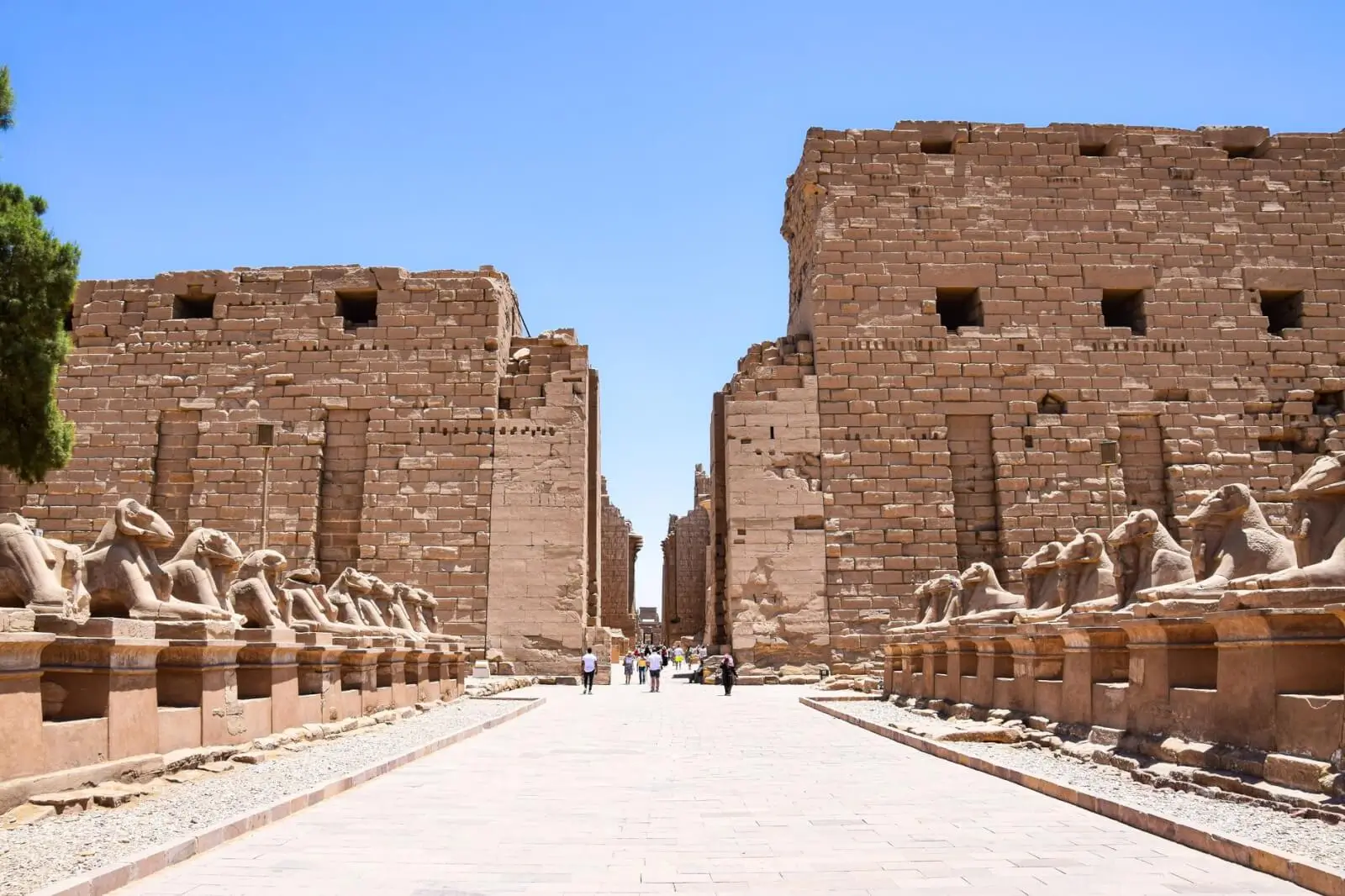
- Karnak Temple, Luxor: Opens at 6am. Worth being there for the first hour of daylight — the light through the Great Hypostyle Hall’s columns is extraordinary before the tour buses arrive.
How to Get the Most from Any Season
Beyond choosing the right time of year, the quality of your Egypt experience comes down to how you structure your time within each day and what flexibility you’ve built into your itinerary.
Plan your energy around the temperature, not the schedule
Egyptian heat is serious. Even in the “cool” months of December and January, standing at the Pyramids at 1pm feels very different from arriving at 8am. The best Egypt travelers structure their days like Egyptians do: active early morning, rest or museum visits in the middle of the day, out again in the late afternoon and evening. Forcing full-day outdoor activity in the Egyptian summer is the fastest way to exhaust yourself.
Give yourself more days than you think you need
Egypt rewards slowness. Most travelers underestimate how much time they want at each site once they’re there. A rushed Luxor visit — two temples in a morning, Valley of the Kings in an afternoon — leaves almost everyone wishing they’d had more time. If you can, give Luxor two full days. Give Aswan two nights. Give Cairo three.
Don’t treat the journey between sites as dead time
Egypt’s landscapes between monuments are part of the experience. The road from Luxor to Edfu at dawn, the felucca crossing from Aswan to Philae, the desert drive to Abu Simbel — these transitions carry their own atmosphere. Traveling by sleeper train from Cairo to Luxor overnight is not just practical; it’s one of the more atmospheric journeys in African travel.
Choose your operator carefully
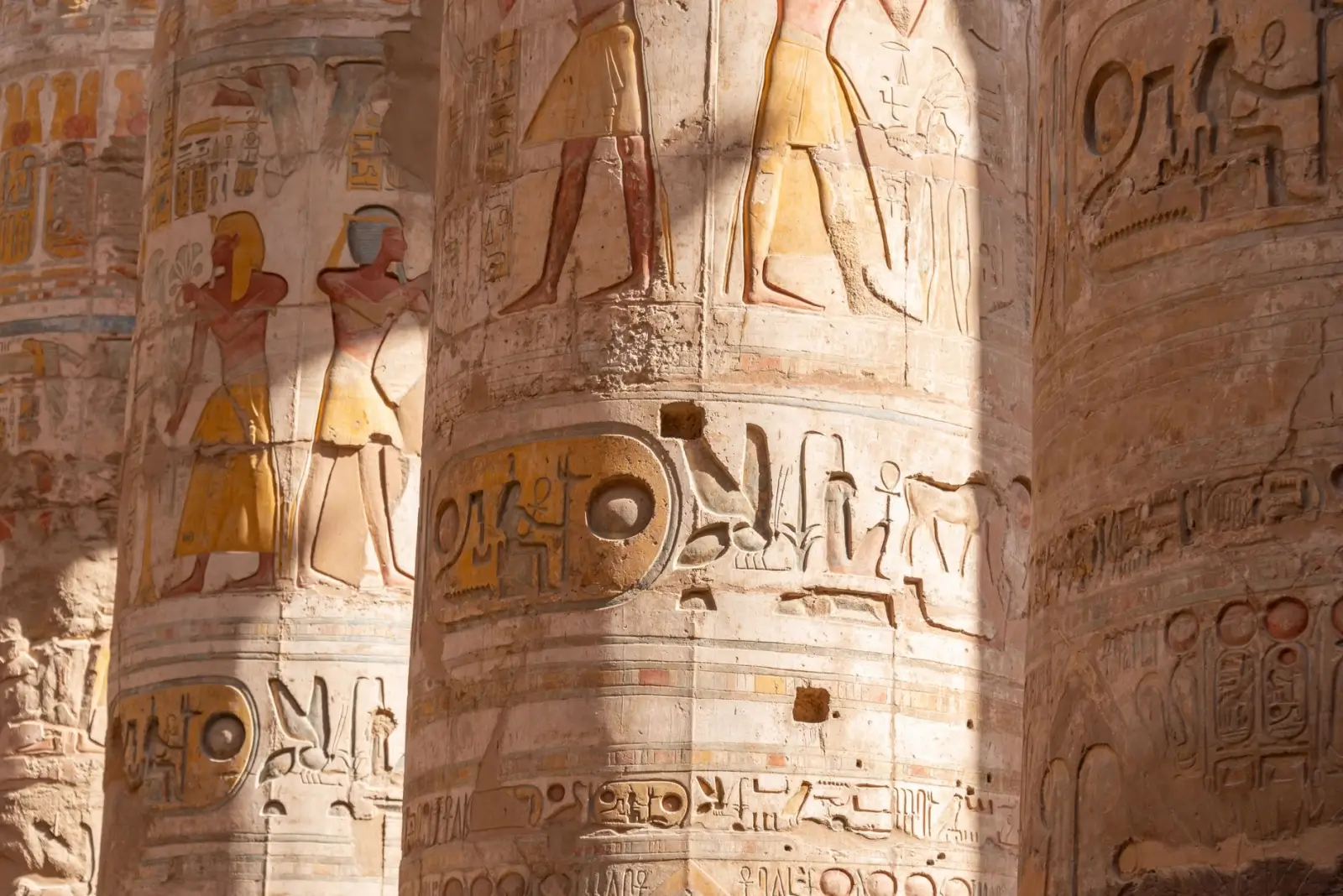
The difference between a mediocre and exceptional Egypt experience often comes down to your guide’s knowledge and your operator’s approach to timing. A guide who knows to arrive at Karnak at 6am, who can tell you why each hieroglyph panel in the Valley of the Kings tomb tells a different part of the same story, and who understands that you want depth rather than coverage — that person transforms the trip.
Frequently Asked Questions
What is the best month to visit Egypt?
October through February offers the most comfortable temperatures (20–32°C) and reliable Nile cruise conditions. November and February are particularly good: cooler than December–January, with slightly fewer visitors than the peak weeks around Christmas and New Year.
Is Egypt too hot in April?
Early April is still very manageable — average highs in Luxor are around 35°C. By late April temperatures approach 40°C. Structuring your day around morning and late-afternoon activity makes late April workable, and the reduced crowds are a real benefit.
When is the best time for a Nile cruise?
October through March is the prime Nile cruise season — comfortable deck temperatures, calm waters, and full operator schedules. November and February offer the best balance of good weather and slightly reduced cruise traffic compared to the December–January peak.
Should I visit Egypt during Ramadan?
Ramadan in 2026 falls in late February to late March. Egypt during Ramadan is a genuinely different experience — atmospheric evening iftars, quieter daytime sites, and a palpable cultural energy. Restaurants and some services operate reduced hours during daylight. Many travelers find it unexpectedly compelling. It requires flexibility and some advance planning.
How many days do I need in Egypt?
Ten to fourteen days allows a meaningful visit: Cairo (3 nights), Nile cruise Luxor to Aswan (4 nights), Aswan (2 nights), Abu Simbel day trip. A week is the minimum for Cairo and Luxor only, without a cruise. Fewer than five days means choosing between sites rather than experiencing them.