
Some links in this article may earn ToursZoom a commission at no extra cost to you — see our affiliate disclosure.
Last updated: April 2026
Albania is safe for tourists. Violent crime targeting visitors is rare by European standards, US/EU/UK passport holders enter visa-free, and the country has been a NATO member since 2009 with EU candidate status granted in 2023. The real risks are road safety and petty theft in crowded areas, not the outdated reputation that still follows Albania around online.
I visited Albania solo in 2025 as a woman in my late 30s. I went in half-expecting to confirm some of the warnings I’d read — the vague “exercise caution” advisories, the forum posts written by people who clearly hadn’t been there in a decade. What I found was a country that deserved a more honest conversation.
This guide covers what the safety picture actually looks like in 2026: where real risks exist, where the reputation dramatically overstates the danger, and what a guided tour adds if you want additional peace of mind.
Key Takeaways
- Albania ranks low for violent crime by European standards — the “dangerous” reputation is outdated
- Traffic is the main genuine risk, especially on rural and mountain roads
- Petty theft exists in Tirana and tourist areas, as it does in every European capital
- Solo female travelers generally find Albania welcoming, though catcalling occurs in some areas
- Albania has been a NATO member since 2009 and received EU candidate status in 2023 (European Commission, 2023)
What Does the Crime Data Actually Say?
Albania’s violent crime rate is low by European comparison. According to Eurostat’s crime statistics framework, Albania consistently reports lower homicide rates than several EU member states. (Eurostat, 2024). That’s not a PR spin — it’s the data that European institutions use to assess candidate countries.
The crimes tourists actually encounter are ordinary: pickpocketing in Tirana’s Blloku district, bag snatching near busy markets, opportunistic theft from rental cars. These are the same risks you manage in Rome, Barcelona, or Athens. Apply the same habits — keep valuables out of sight, use a crossbody bag, don’t leave bags on café chairs — and your exposure is minimal.
Serious organized crime exists in Albania, as it does in many countries. But it operates in a completely separate world from the tourist economy. Visitors are not targets, not participants, and not at meaningful risk from it.
Based on first-hand travel experience in 2025, tourist zones in Tirana, Gjirokastër, and the Albanian Riviera showed no heightened security incidents compared to comparable southern European destinations.
Is the Blood Feud Reputation Relevant to Tourists?
No. This comes up constantly in Albania travel discussions, and it’s almost entirely irrelevant to visitors. The Kanun blood feud tradition — a historical code of honor — affects specific rural families in specific regions, not foreign travelers. (Balkan Transitional Justice, 2023). No tourist has been caught up in a feud situation.
This reputation belongs to a different era and a different context. Repeating it without that clarification does Albania a genuine disservice. File it under “things that sound dramatic in guidebooks but have no practical bearing on your trip.”
What Are the Real Risks in Albania?
Traffic and Road Safety
This is the honest answer most Albania travel content avoids: driving in Albania carries real risk. Urban traffic in Tirana is chaotic, lane discipline is loose, and pedestrian crossings are suggestions rather than rules. (WHO Global Road Safety Report, 2023). Albania’s road fatality rate remains above the EU average, though infrastructure has improved significantly in recent years.
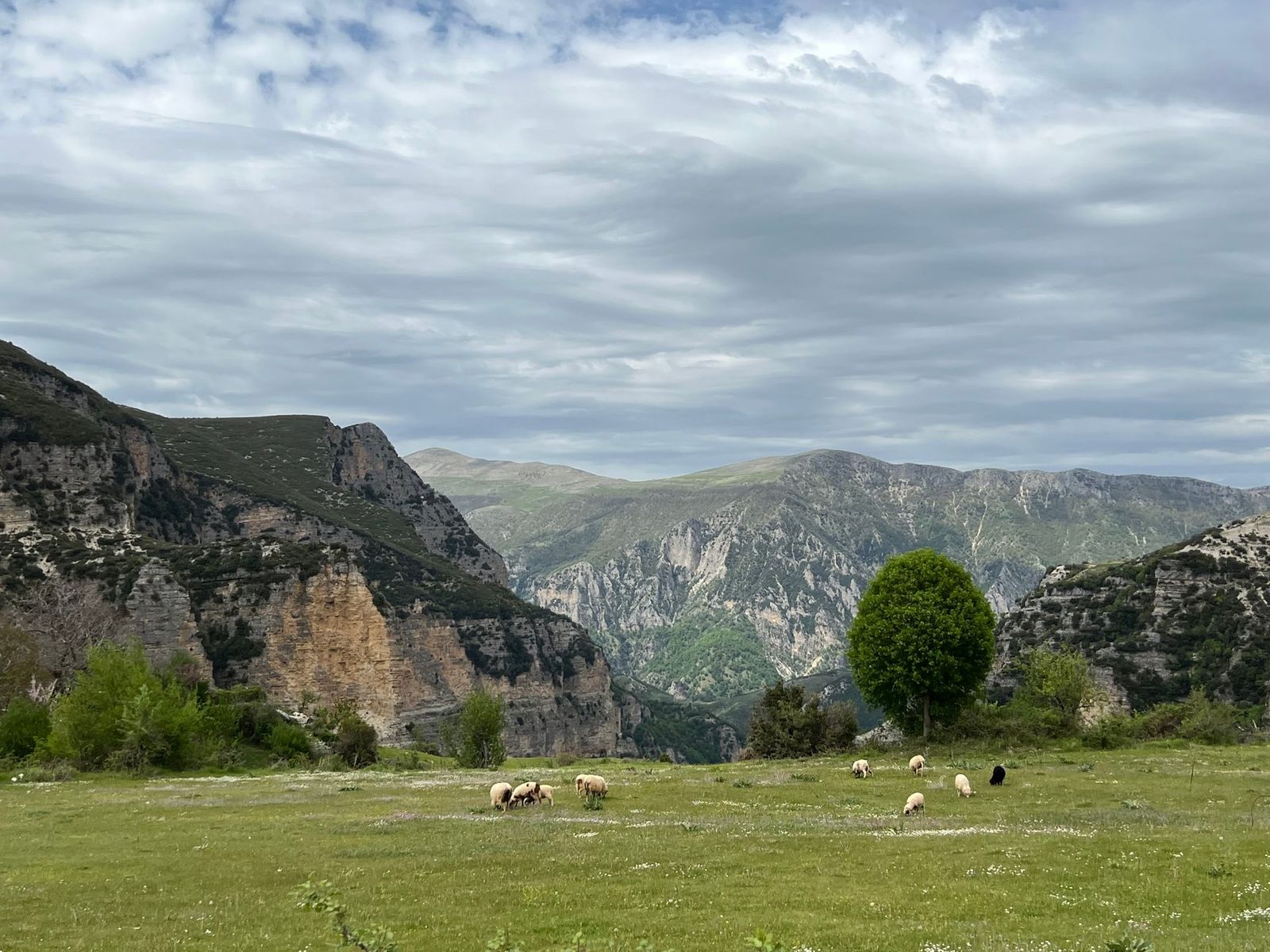
Mountain and rural roads present a separate challenge — some are steep, poorly maintained, and shared with livestock. Driving at night outside cities is not recommended if you’re unfamiliar with the conditions. This isn’t a reason to skip Albania. It’s a reason to be deliberate: use minibuses for mountain routes, hire a local driver for remote areas, or join an organized tour for destinations like Theth or Valbona.
Petty Theft in Tourist Areas
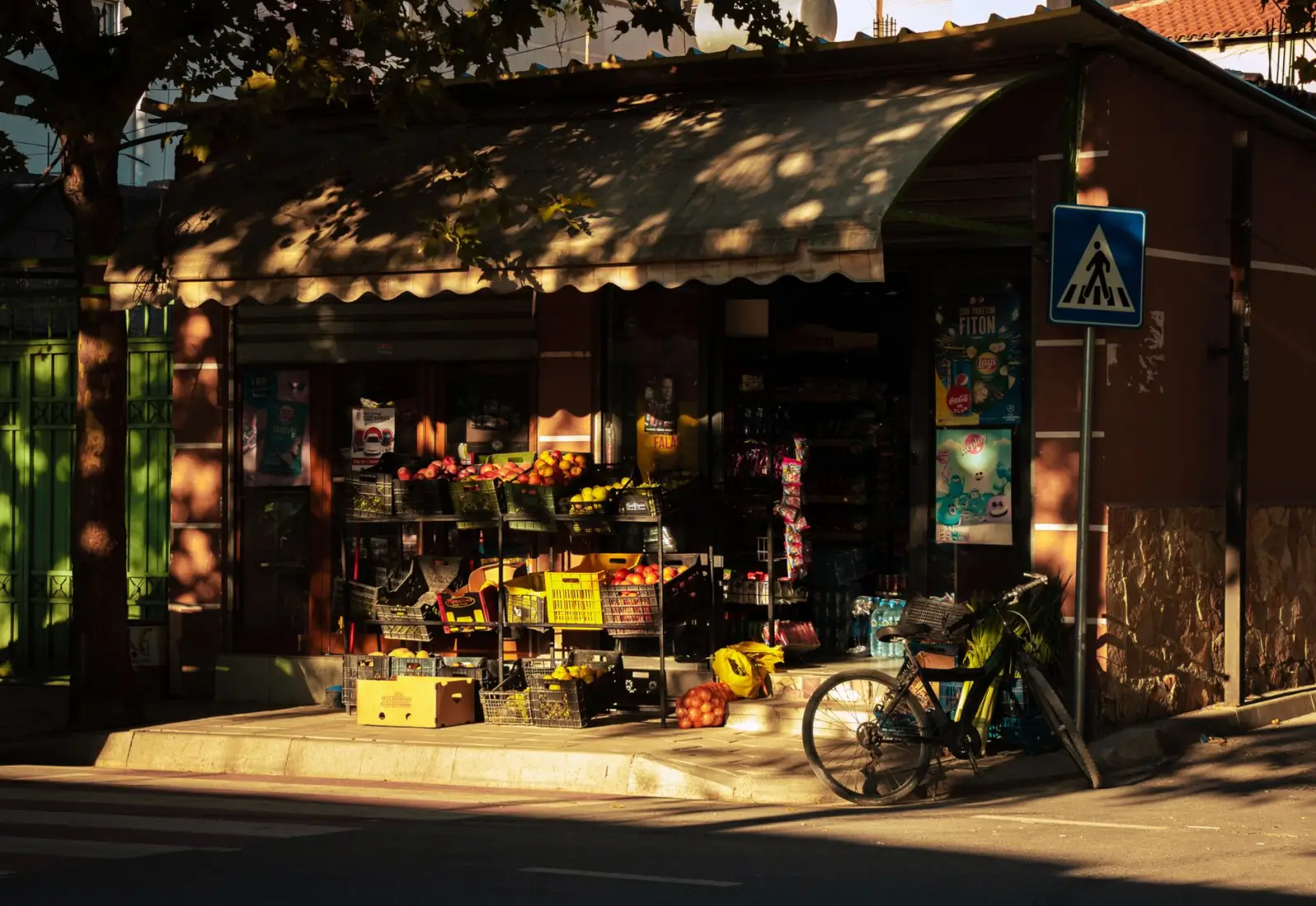
Tirana, Sarandë, and the Albanian Riviera attract the same opportunistic theft as any popular European destination. Blloku and the Pazari i Ri market in Tirana are the main zones worth keeping your guard up. Standard precautions apply: money belt for documents, crossbody bag for daily use, nothing visible in parked cars.
Taxi and Transport Scams
Unlicensed taxis at Tirana International Airport and ferry ports sometimes charge multiples of the correct fare. The fix is straightforward: use the official taxi line inside the terminal, agree a price before you get in, or use a ride-hailing app. Albanian taxi scams are annoying and financially minor. They’re not a safety issue.
At Tirana airport in 2025, an unofficial driver quoted for a 15-euro ride. The official taxi desk inside the arrivals hall had the same car, the same journey, at the posted rate. The information asymmetry is the scam — once you know the correct price, it stops working.
Is Albania Safe for Solo Female Travelers?
Broadly, yes. But an honest answer acknowledges the nuance. Albania is a conservative country by Western European standards, and that affects the experience of women traveling alone, particularly in smaller cities and rural areas.
Catcalling and sustained attention from men is more common in Albania than in northern Europe. It’s rarely threatening, but it is present and worth naming. In Tirana — younger, more cosmopolitan, increasingly liberal — this is noticeably less frequent than in provincial towns. Walking confidently, dressing modestly outside beach areas, and being decisive rather than visibly uncertain all reduce unwanted attention.
Albanians are, genuinely, among the most hospitable people I encountered in a decade of solo travel. The cultural concept of besa — a code of honor centered on protecting guests — is real and actively practiced. I was invited into homes, offered food without expectation, and helped with directions more times than I could count. The experience was overwhelmingly positive. The catcalling is worth knowing about because pretending it doesn’t happen helps no one.
LGBTQ+ Travelers: What to Know
Albania decriminalized same-sex relationships in 1995 and has anti-discrimination protections in law. (ILGA-Europe, 2024). In practice, Tirana has a small but growing LGBTQ+ scene, and the capital is meaningfully more open than the rest of the country.
Outside Tirana, Albania remains socially conservative. Public displays of affection between same-sex couples will attract attention in smaller towns and rural areas. This is a social reality, not a legal risk for visitors, but it’s worth factoring into your travel style. Discreet travel is comfortable and incident-free. Visibility in conservative areas warrants more thought.
Areas That Require More Care
Albania doesn’t have no-go zones for tourists, but some areas warrant specific consideration. The northern mountain roads — stunning, worth visiting, increasingly accessible — require either a capable vehicle, local knowledge, or an organized excursion. The border regions with Kosovo and North Macedonia have standard cross-border considerations but no elevated risk for tourists with valid documents.
The coastal highway during summer is genuinely dangerous due to traffic volume and speed. Renting a scooter on the Riviera without experience on chaotic roads is a decision worth reconsidering. The mountains around Theth and Valbona are rewarding but require proper hiking preparation — altitude, weather changes, and limited rescue infrastructure are real factors.
What Does Traveling with a Guided Tour Add?
For first-time visitors, a guided tour removes most of the friction points: transport logistics on difficult roads, accommodation in areas with limited English, navigation of local transport systems, and access to places that are genuinely hard to reach independently. Local guides also provide real-time context — knowing which mountain route is currently passable, which market is worth the detour, where to eat that isn’t optimized for tourist margins.
The safety benefit of guided tours in Albania isn’t primarily about physical security — it’s about removing the compounding uncertainty that makes travelers more vulnerable. A driver who knows the roads, a guide who speaks Albanian in a rural guesthouse, a fixed itinerary that accounts for weather conditions: these reduce the situations where you’re improvising under pressure.
Practical Safety Tips for Albania 2026
- Visa: US, EU, and UK passport holders enter Albania without a visa for stays up to 90 days. (Albanian Ministry of Foreign Affairs, 2024)
- Cash: Albania is still largely cash-based outside Tirana. Carry Albanian lek; euros are accepted in tourist areas but at poor rates.
- Transport: Agree taxi fares before departure. Use furgons (shared minibuses) for intercity travel — they’re how locals move and they’re cheap and reliable.
- Tap water: Tap water is generally safe in cities. Use bottled water in rural areas.
- Emergency numbers: Police 129, Ambulance 127, Fire 128.
- Travel insurance: Get it. Mountain rescue, if needed, is expensive and slow.
- Connectivity: SIM cards from Albanian operators (Vodafone Albania, ONE Telecommunications) are cheap and offer good coverage in cities. Mountain coverage is patchy.
Frequently Asked Questions
Is Albania safe for tourists in 2026?
Yes. Albania has low violent crime by European standards, NATO membership since 2009, and EU candidate status. Main risks are traffic and petty theft — manageable with standard precautions.
Is Albania safe for solo female travelers?
Generally yes. Catcalling occurs in some areas, especially outside Tirana. Albania’s hospitality culture is genuine and most solo women report positive experiences. Confidence and modest dress in conservative areas help.
Is the blood feud danger real for tourists?
No. The Kanun blood feud tradition affects specific rural families, not foreign visitors. No tourists have been involved. This reputation is outdated and irrelevant to any normal travel itinerary.
What is the biggest safety risk in Albania?
Traffic. Albanian driving is aggressive, road conditions outside cities vary, and mountain roads require care. This is the honest answer most travel content doesn’t lead with.
Do I need a visa to visit Albania?
No. US, EU, and UK passport holders can enter Albania visa-free for up to 90 days. Check your specific passport eligibility with the Albanian Ministry of Foreign Affairs before travel.