
Some links in this article may earn ToursZoom a commission at no extra cost to you — see our affiliate disclosure.
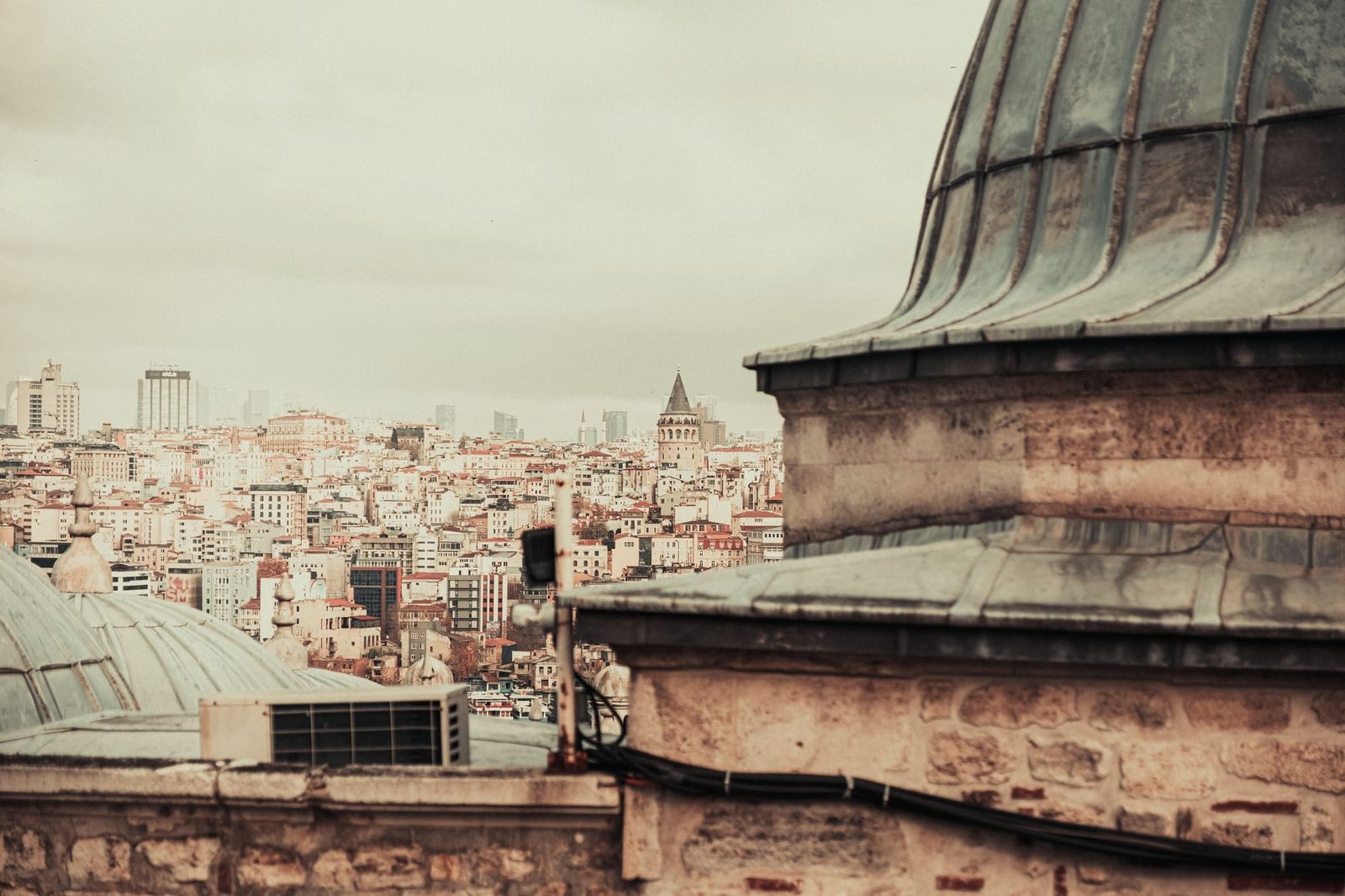
You’re sitting on a rooftop terrace in Istanbul at 6am, holding a glass of çay, when the first call to prayer starts from the Blue Mosque. Then a second, from a different direction. Then five more from mosques you can’t see, overlapping slightly, filling the entire city like a sound you didn’t know you were waiting for. That’s not in any itinerary. But it’s what people talk about when they get home. This guide covers what a multi-day Turkey tour package actually includes, which routes deliver the best experience, and what to look for in an operator.
Why Turkey Works as a Multi-Day Tour
Turkey is awkward to do alone, more so than it looks on a map. Istanbul to Cappadocia is a 750km journey, and you’ll want stops in between. The bus routes work but eat your days. Domestic flights are fast but require navigating three different airports. Rental cars are fine until you hit the one-way streets of an old city center, or discover that parking in Göreme doesn’t really exist. A guided tour handles all of that. You get from place to place without burning half your energy on logistics, and the guide fills in what the places mean, which matters a lot in a country with 10,000 years of continuous habitation.
“Turkey has a context problem. Tourists see the Hagia Sophia and think ‘big church.’ They don’t know it was a church for 900 years, a mosque for 500 years, a museum for 86 years, and a mosque again since 2020. Once you know that, the building changes completely.” — Elif, cultural tour guide, 11 years in Istanbul
The Classic Route: Istanbul, Cappadocia, Ephesus, Coast
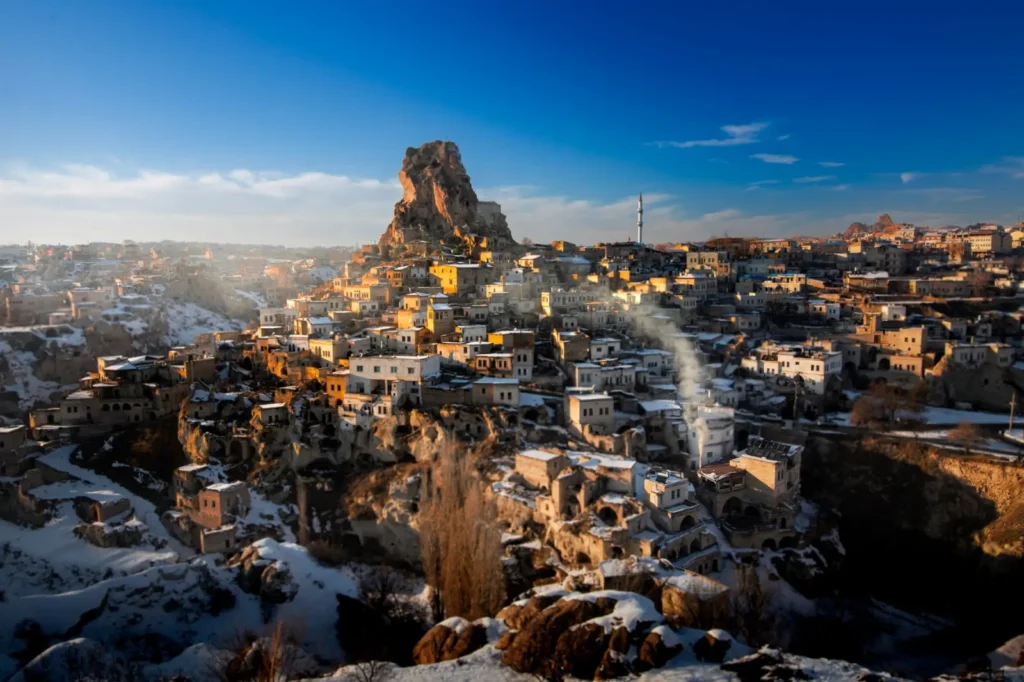
Most Turkey tour packages follow some version of this circuit, adjusted for group pace and days available. Here’s what each stop delivers. Istanbul (Days 1 to 3). The old city fits inside a few square kilometers. The Hagia Sophia and Blue Mosque are ten minutes’ walk apart. Topkapi Palace, which housed the Ottoman sultans for 400 years, sits on the peninsula between the Bosphorus and the Golden Horn. Dense with history, and in July and August, dense with people. Get to the Grand Bazaar before 11am or you’ll spend most of your time in a crowd rather than looking at anything. The part most visitors underestimate: Istanbul’s neighborhoods outside the tourist center. Balat’s painted houses, Karaköy’s gallery district, the fish market in Beşiktaş where locals actually shop. A good guide takes you to both. 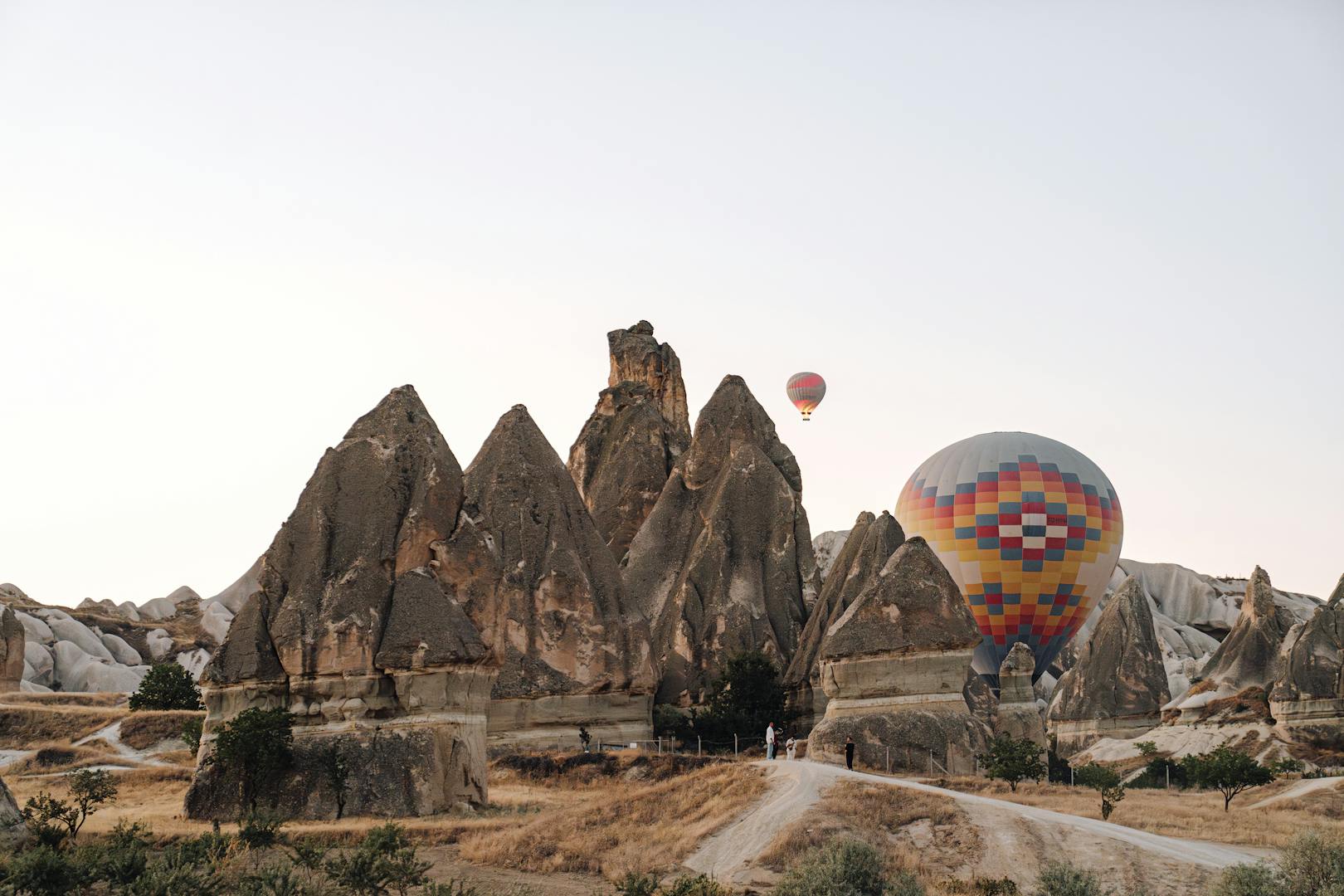 Cappadocia (Days 4 to 6). The fairy chimneys of Göreme are real. What photos don’t convey is the scale, you’re standing in a valley carved by volcanic eruptions three million years ago, looking at cones of soft rock where people carved entire churches in the 10th century. The underground cities at Derinkuyu go eight floors deep and sheltered 20,000 people during the Arab raids. Genuinely strange in a way that takes a while to land. The hot air balloon at sunrise is worth it. It’s also expensive and weather-dependent, your operator will tell you conditions the night before. Some travelers wait three mornings and finally get up on day four; others have it cancelled entirely. Try for it.
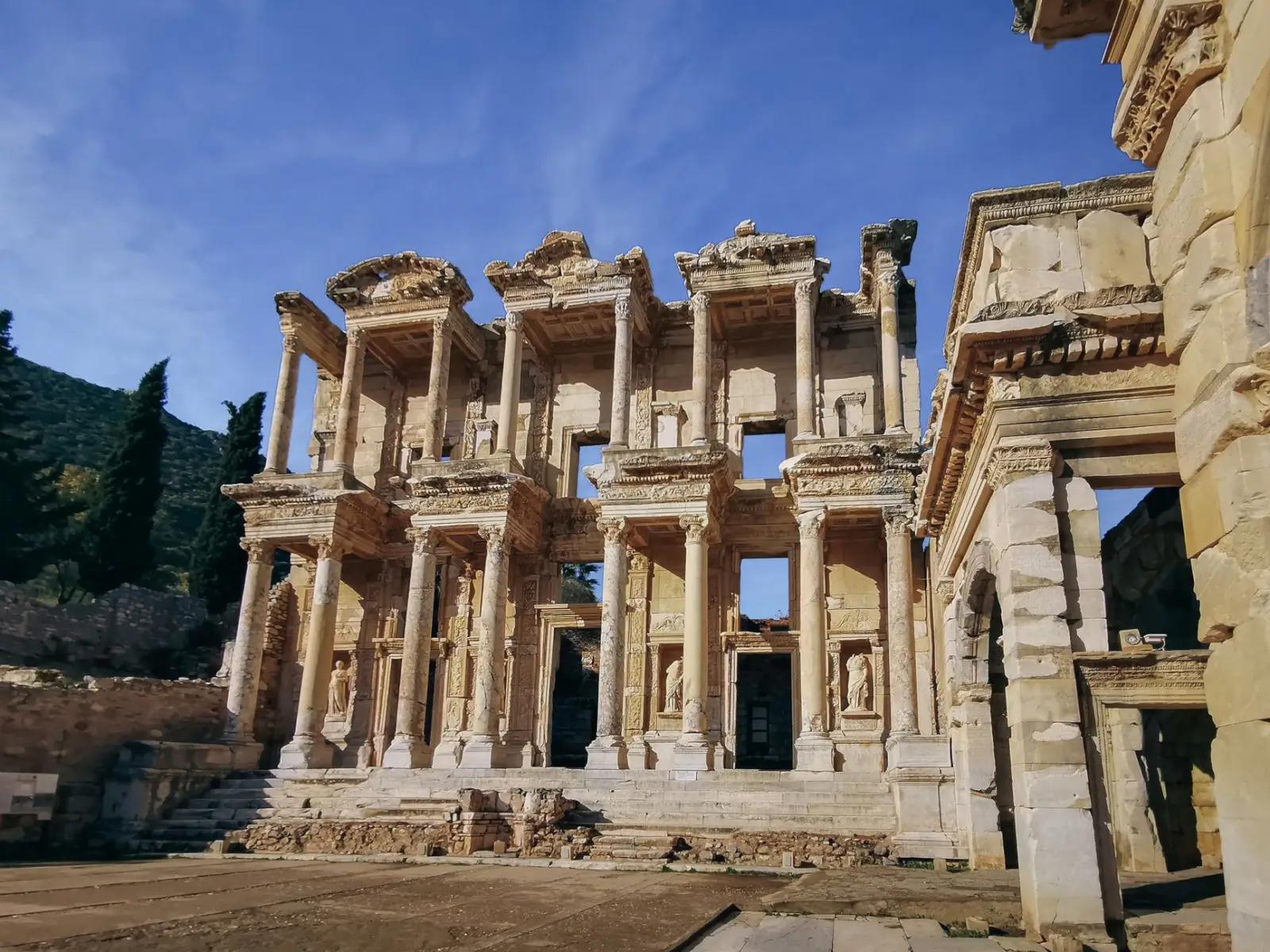
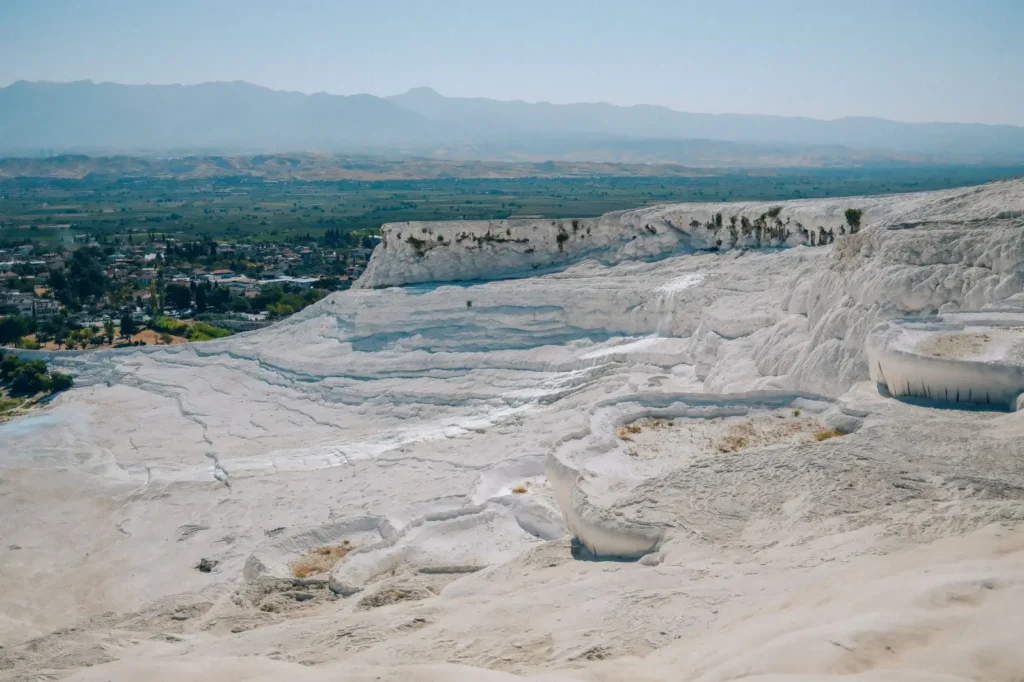
 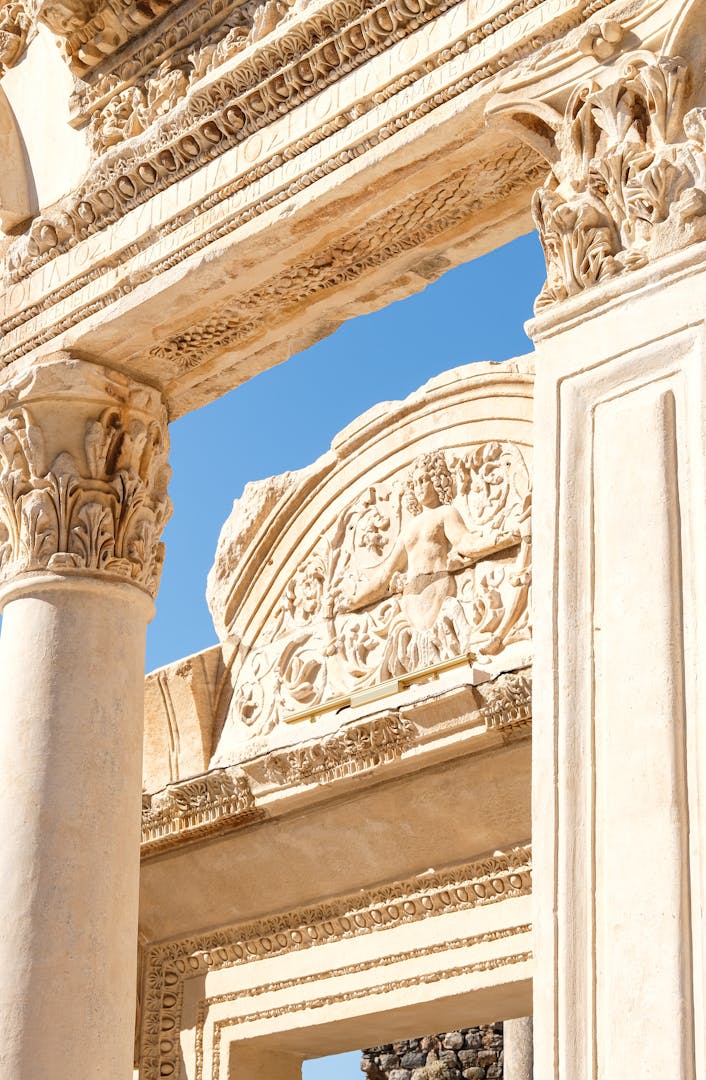 Ephesus (Days 7 to 8). One of the best-preserved Roman cities in the world. Walk the marble street from the Library of Celsus to the harbor gate and the scale of it hits you: 200,000 people at its peak, running water, public toilets, a theater that held 25,000. Go early. By midday it’s scorching and very crowded. The Aegean or Mediterranean Coast (Days 9 to 10). Optional extension. Pamukkale’s white calcium terraces are as strange as Cappadocia but in a completely different way. Ölüdeniz’s blue lagoon is actually that blue, not a filter. Both worth it if you’re already in the region.
What You’ll Actually Eat
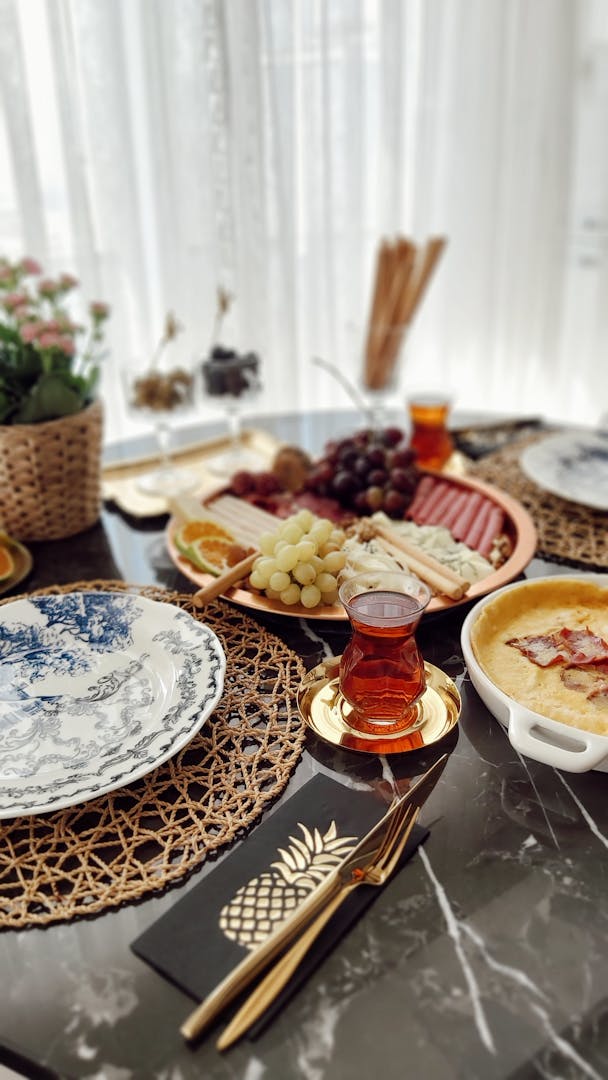 Turkish food is seriously good, and meals on a guided tour are often one of the unexpected highlights. Expect mezes to start: hummus, cacık (cold yoghurt with cucumber), stuffed vine leaves, grilled vegetables with tahini. Then lamb, chicken, or fish on the coast. Breakfast is a meal here: cheeses, olives, tomatoes, cucumbers, eggs cooked in butter, and bread you’ll remember. One honest note: the restaurants directly around Sultanahmet in Istanbul are mostly overpriced and unremarkable. Your guide will know where to go. Let them make the call.
Best Time to Visit Turkey
April, May, September, October. Close to ideal. Not too hot, crowds are manageable. October light in Cappadocia is something else. June to August. Hot and crowded, especially in Istanbul and Ephesus. Doable, but you’re competing with most of Europe. November to March. Cold (Cappadocia gets real snow), far fewer people, cheaper across the board. Some coastal towns close for winter. Balloon flights cancel more often.
What a Typical Turkey Tour Package Includes
- Airport transfers (Istanbul Atatürk or Sabiha Gökçen)
- All inter-city transport (domestic flights or private vehicle, depending on the route)
- Hotel accommodation throughout, typically 3 to 4 star, centrally located
- Licensed local guide throughout
- Entrance to all major sites (Hagia Sophia, Topkapi, Ephesus, Cappadocia)
- Daily breakfasts, selected lunches and dinners
Not included: international flights, travel insurance, personal shopping, tips, optional activities (hot air balloon, hammam), drinks outside included meals. Your operator sets this out before you book, no surprises on arrival.
Frequently Asked Questions
How long do Turkey tour packages typically run?
Most are 8 to 12 days. Eight gets you Istanbul, Cappadocia, and Ephesus at a reasonable pace. Ten to twelve adds the coast or more depth in each place. Anything under six days starts to feel rushed.
Do I need to speak Turkish?
No. English is widely spoken in tourist areas, and your guide handles local communication. That said, a few words go a long way: teşekkür ederim (thank you) and merhaba (hello) are worth knowing.
Is Turkey safe for solo travelers?
It’s generally safe. Solo women travelers should use the same common sense they’d apply in any major city, especially in crowded bazaars and on late-night transport. Being on a guided tour means you’re never navigating alone.
What’s the visa situation?
Most Western passport holders need an e-Visa, obtained online in minutes. Check the official Turkish e-Visa portal for your passport. The rules shift occasionally.
When should I book?
For April to May and September to October, 3 to 4 months ahead. Summer and New Year fill quickly. Off-season (November to March) you can often book 4 to 6 weeks out.
Final Thoughts
Turkey keeps delivering, even on a second or third visit. Istanbul has more layers than a week can uncover. Cappadocia is unlike anything else. Ephesus makes Roman history tangible in a way that no museum manages. The logistics are the argument for a guided tour. Let someone else handle the driving and the tickets and the restaurant decisions. Your job is to pay attention.