
Some links in this article may earn ToursZoom a commission at no extra cost to you — see our affiliate disclosure.
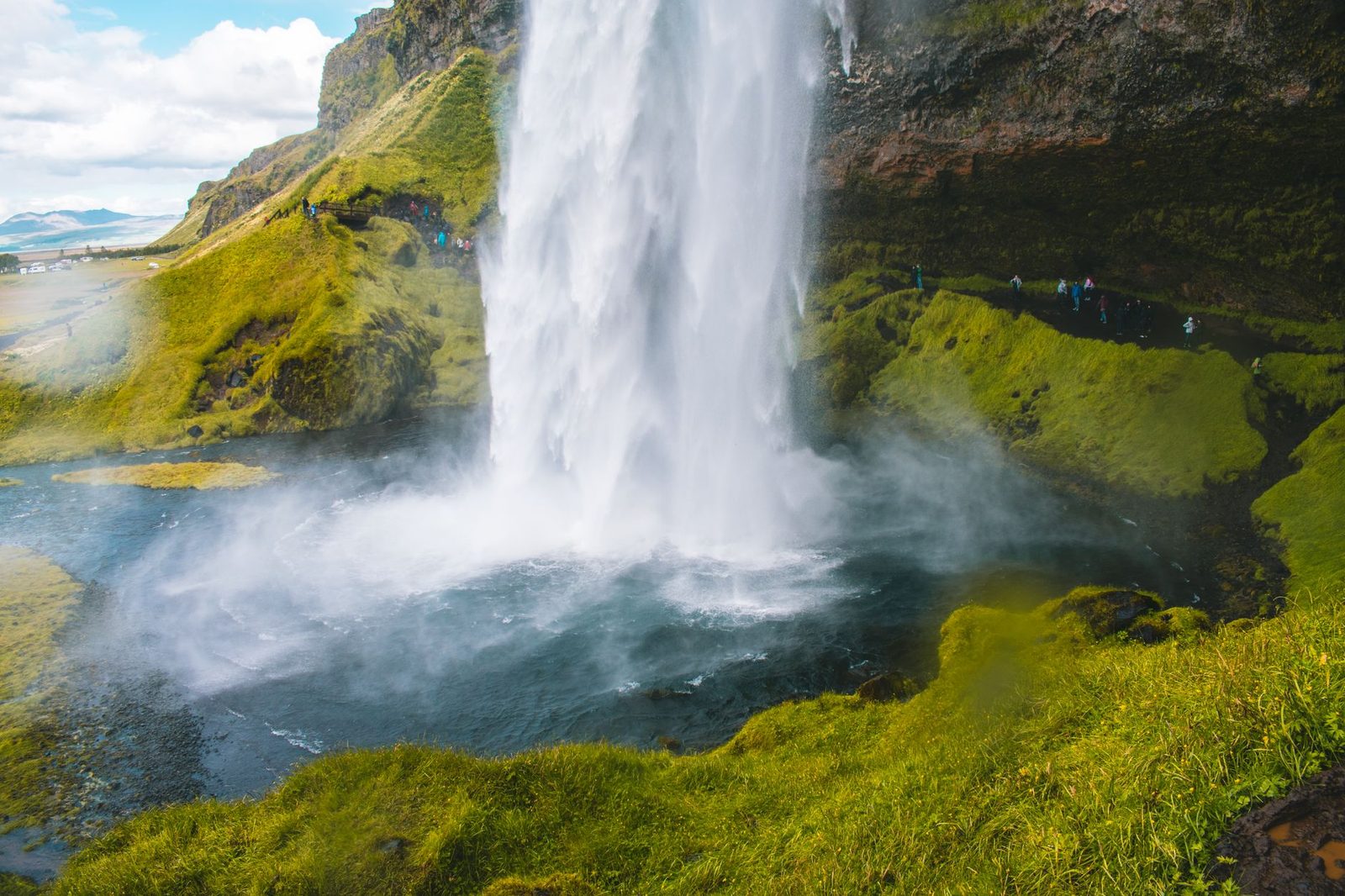
Three hours into the Ring Road, the weather changes. It’s August, technically summer, and the sky has gone from bright blue to white to a specific shade of gray that your guide, Sigríður, calls “Icelandic overcast, which means anything could happen.” Then it starts raining horizontally. Then it stops. Then the cloud lifts and you’re looking at a waterfall the size of a building with a full rainbow through the mist.
That’s Iceland. It doesn’t cooperate, and it’s better for it.
This guide is for people thinking about an Iceland adventure tour. What the routes cover, what’s actually challenging about the country, and how to get the most out of a trip where the plan is always provisional.
Why Iceland Is Better with a Guide
Iceland looks straightforward on a map. It’s an island. There’s one main road around it, Route 1, the Ring Road, 1,332 kilometers of mostly paved tarmac. Hire a car, drive clockwise, done.
In practice, the Ring Road in winter has sections that close without warning. The highland F-roads require a specific 4WD that rental companies won’t let you take without extra insurance. Glacier hikes need crampons, ice axes, and someone who knows which crevasses are bridged. And the Northern Lights forecast, which is what most people come for between September and March, requires a guide who knows which direction to drive when the sky opens and which hilltop has the least light pollution.
“The biggest mistake tourists make is booking a car and no guide. They see a forecast, drive an hour, and stop on the wrong side of a hill. We know where to go.”
Ólafur, Iceland adventure tour leader since 2013
What Iceland Adventure Tours Actually Cover
The South Coast is where most tours start and where the highlights are densest.
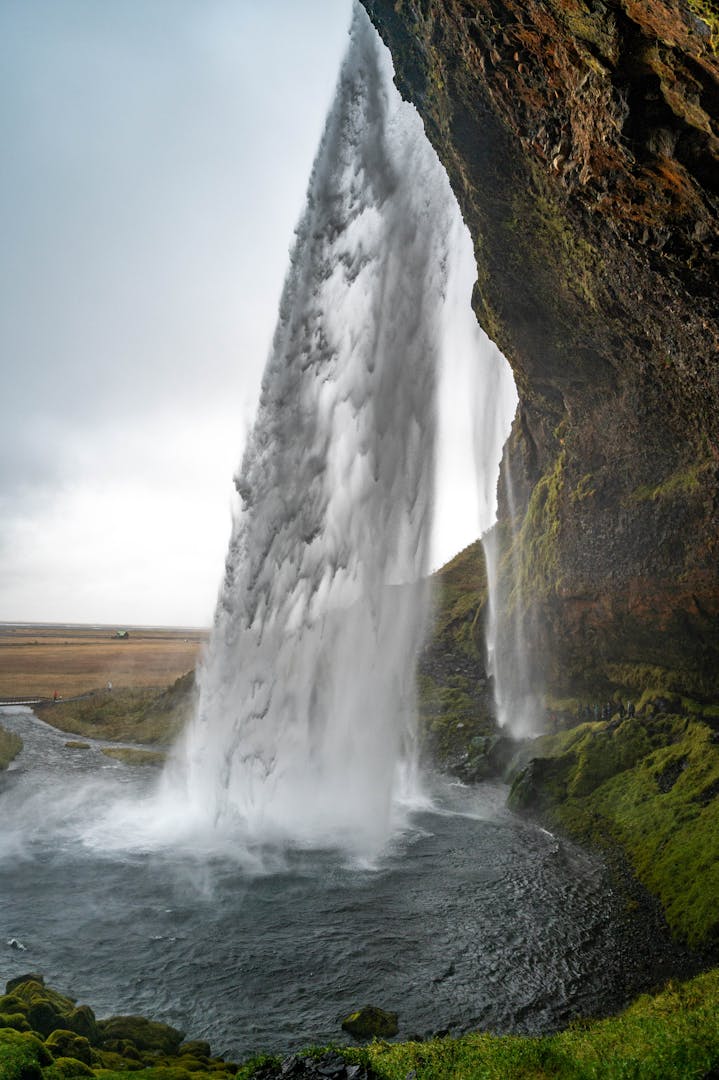
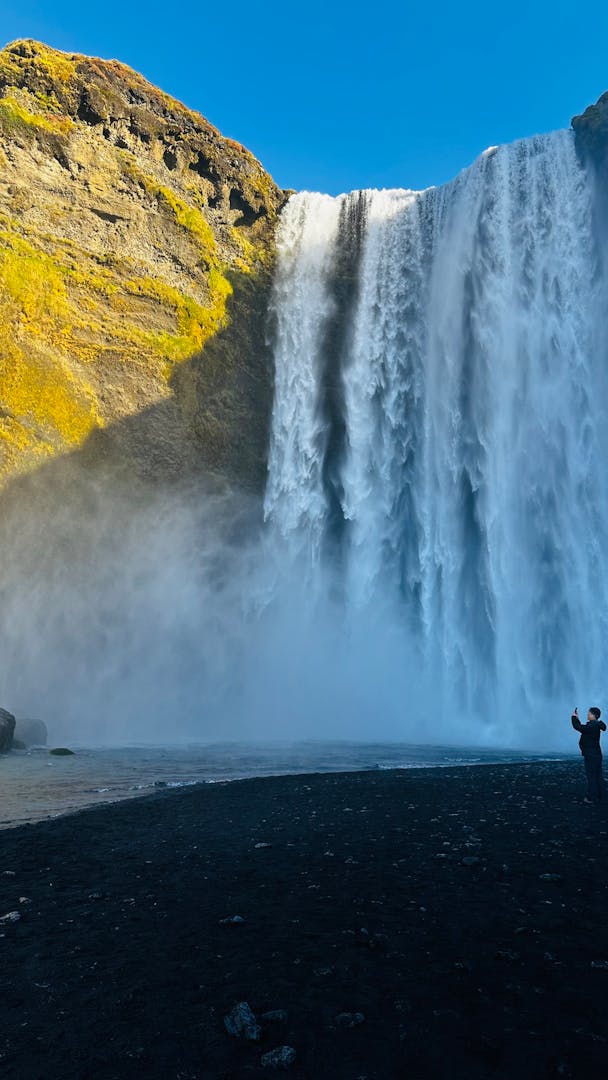
Seljalandsfoss waterfall drops 60 meters and has a path that goes behind it. You get completely soaked and the path is slippery, which is part of the point. Skógafoss, a few kilometers east, is wider and louder. The black sand beach at Reynisfjara has basalt columns that look like something assembled by hand and waves that have killed tourists who underestimated them. The beach is beautiful. The signs about the waves are serious. Don’t ignore them.
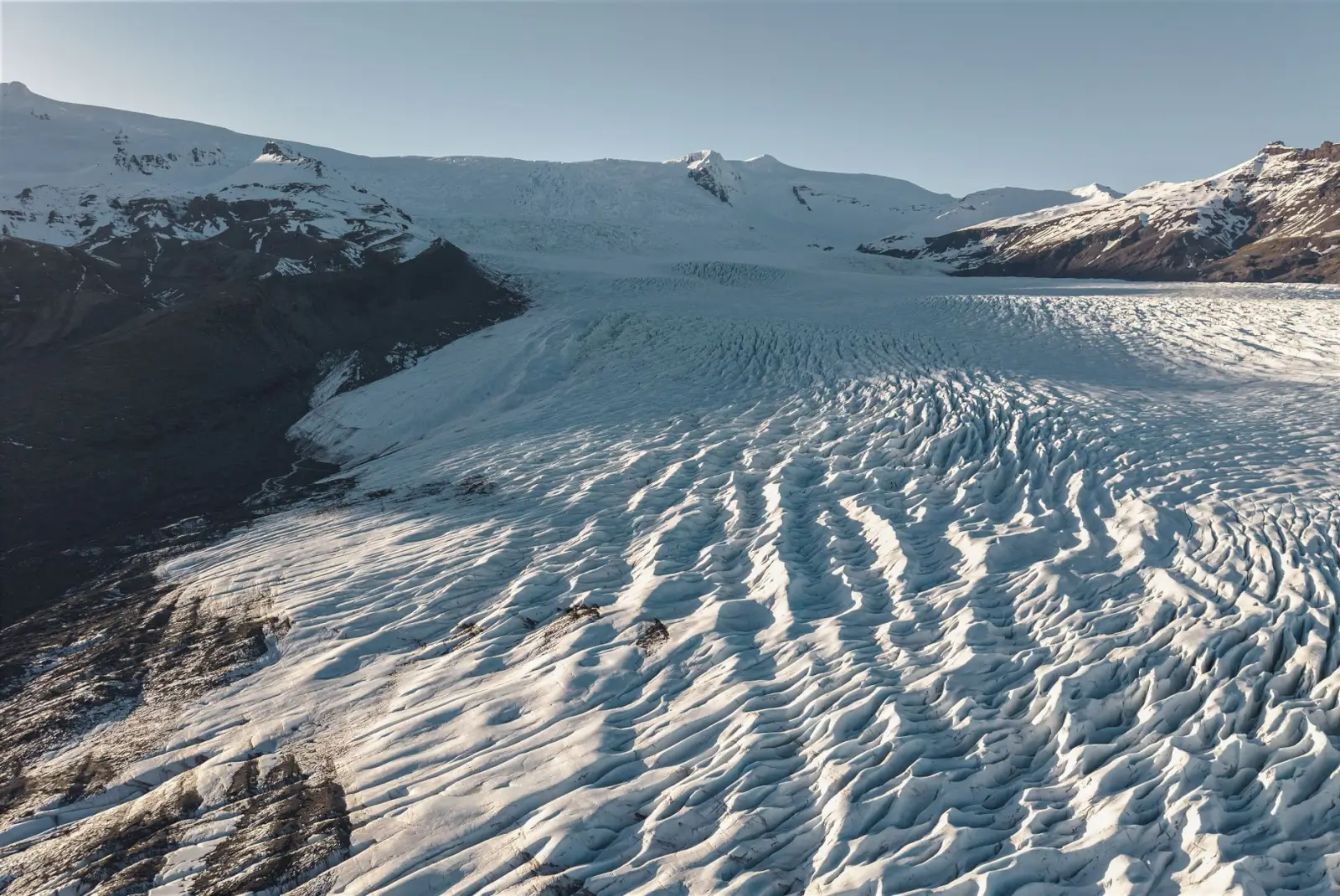
Vatnajökull glacier, Europe’s largest, takes up about 8% of Iceland’s surface area. The Icelandic Tourist Board lists it among the country’s signature landscapes, and walking on it with crampons and an ice axe is one of those experiences that resets your sense of scale. The ice is blue-white, fractured with crevasses, and makes sounds, settling, creaking, that you don’t expect. If you’ve hiked the Colorado Rockies, forget the comparison. Vatnajökull is a different beast. The guide explains which sections are stable. You stay close to the guide.
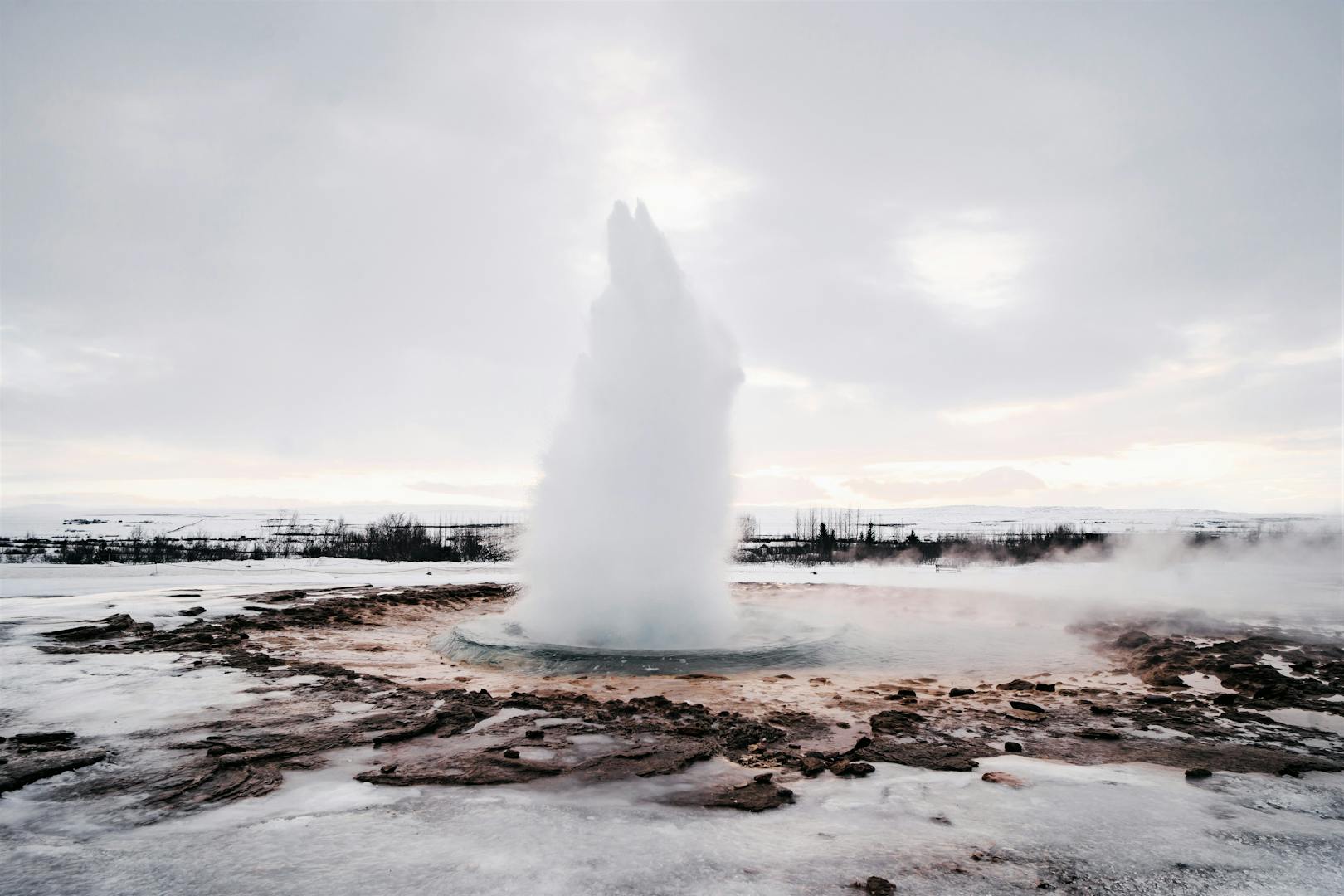
The Golden Circle (accessible as a day trip from Reykjavik or as part of a longer tour) hits three sites: Þingvellir National Park, where the Eurasian and North American tectonic plates are visibly pulling apart; the Geysir hot spring area, where Strokkur erupts every 5 to 10 minutes without scheduling; and Gullfoss waterfall, which is significantly more powerful in person than any photo suggests.
The Ring Road (7 to 12 days for the full circuit) continues east into the Eastfjords, quiet, dramatic, almost no other tourists, and north into Akureyri and the Snæfellsnes Peninsula. The Ring Road is doable in 7 days if you’re moving quickly. Ten days is better. Two weeks is relaxed.
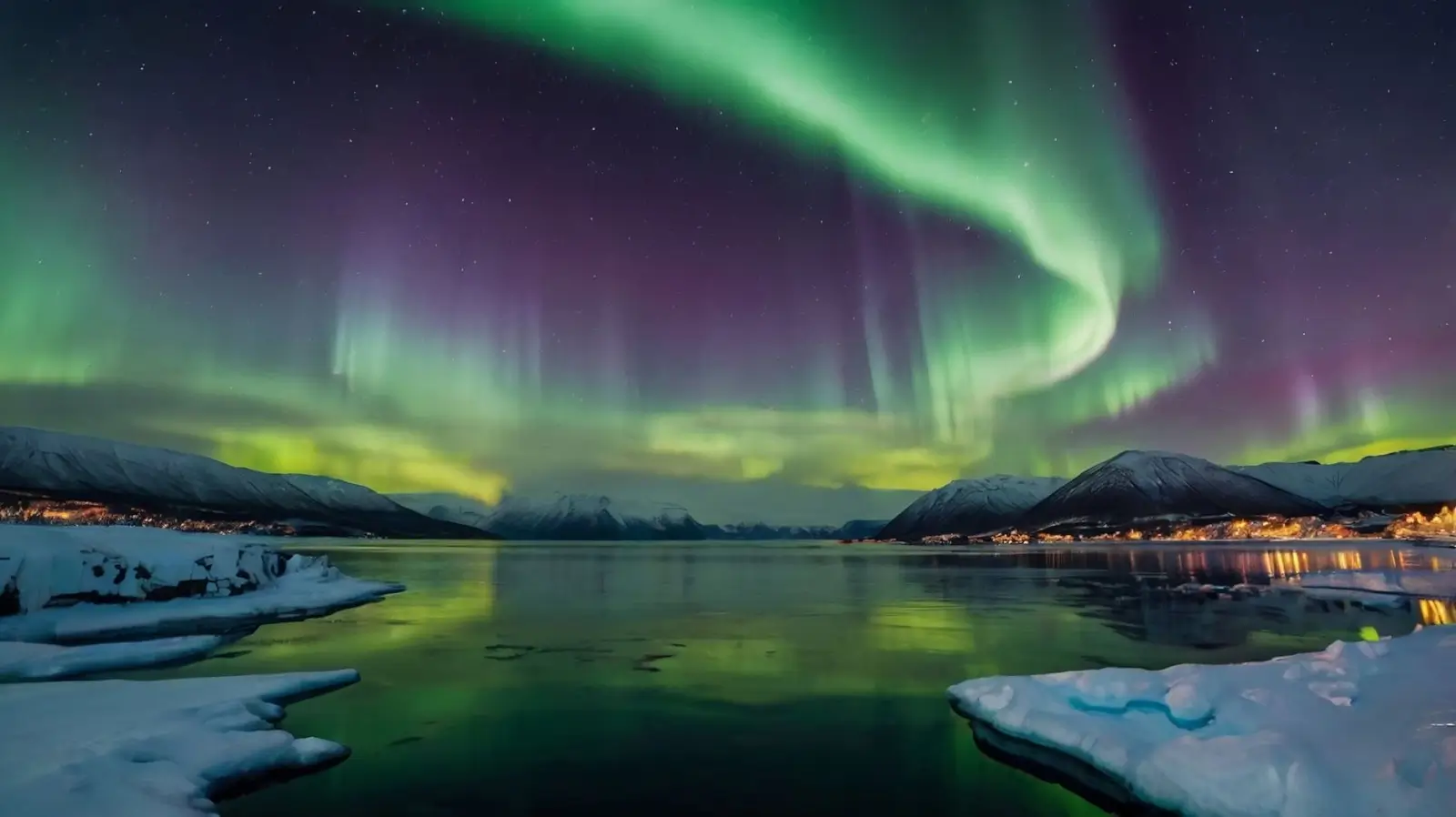
The Northern Lights are available October through March when skies are clear, solar activity is high, and you’re away from light pollution. No tour can guarantee a sighting. What a good guide can do is put you in the right place at the right time and have a backup plan if clouds roll in. Most multi-day winter tours include dedicated Northern Lights chasing built into the schedule.
What’s Actually Hard About Iceland
Worth saying plainly, because some tours don’t.
Weather is unpredictable and can cancel outdoor activities. Glacier hikes, highland tours, and certain waterfalls become inaccessible in bad conditions. This isn’t rare. It’s routine. Build flexibility into your expectations. Build more than you think you need.
Cold in winter is real. January in Iceland is around -2°C on average, but wind chill drops that considerably. Glacier walks in November require serious layering. The guides tell you what to bring. Listen to them.
Driving the Ring Road yourself in winter without experience is risky. Black ice, reduced daylight (4 hours in December), and sudden weather changes have caught out experienced drivers. If you’re doing the Ring Road in winter, a guided van tour is the safer option. Not a soft suggestion. A real one.
Best Time to Visit Iceland
June to August: long days (near 24-hour daylight in June), accessible highland roads, warmest temperatures (still variable). No Northern Lights possible because it doesn’t get dark enough.
September and October: the transition. Still reasonably warm, Northern Lights starting to appear, autumn colors on the tundra. Good window.
November to March: Northern Lights season. Cold, dark, and quieter than summer. The most dramatic conditions for photography. The most challenging for outdoor activities.
April to May: crowds haven’t arrived yet, the landscape is still wintery in places, and the Northern Lights are still possible in April. Underrated time to go.
What a Typical Iceland Tour Includes
- Airport transfers (Keflavík International Airport)
- All transport throughout the tour (typically a guided 4WD vehicle or small van)
- Hotel or guesthouse accommodation (varies by route, some tours include farm stays)
- Licensed Icelandic guide throughout
- Glacier hiking equipment (crampons, ice axes, harness) where applicable
- Selected meals (full board on remote routes, breakfast-included on Ring Road)
Not included: international flights, travel insurance, personal gear (thermal layers, waterproof jacket, you need your own), optional activities not listed in the itinerary, tips.
Frequently Asked Questions
Do I need to be fit to do an Iceland adventure tour?
It depends on the activities. A South Coast tour with waterfall walks is accessible to most people who can walk a few kilometers on uneven ground. Glacier hikes and highland tours require reasonable fitness and no serious mobility issues.
Can I see the Northern Lights on a guided tour?
You can, but no one can promise them. Sightings depend on solar activity (the KP index), cloud cover, and darkness. Tours between October and March chase forecasts and reposition you accordingly. Many travelers see them. Some don’t.
How many days do I need in Iceland?
For a South Coast plus Golden Circle tour: 5 to 6 days minimum. For the full Ring Road: 8 to 12 days. For a Northern Lights focus: 4 to 5 days gives you enough attempts that weather is less of a deciding factor.
Is Iceland expensive?
Yes. It’s one of the more expensive destinations operators run tours in. Accommodation, food, and activity costs are all high relative to most of Europe. Package tours help because they negotiate group rates, but be prepared for Iceland to cost more than similar destinations.
What should I pack for an Iceland adventure tour?
Waterproof jacket and trousers (essential), thermal base layers, sturdy waterproof boots with ankle support, hat and gloves even in summer. Don’t underpack for warmth. If your tour includes glacier activities, the guide provides the technical gear.
Final Thoughts
Iceland is unlike anywhere else. The landscape is active, geysers, glaciers, volcanoes, and it changes while you’re looking at it. The unpredictability that frustrates some travelers is the same thing that makes others come back every year. An adventure tour with a local guide gets you further into that landscape than you’d reach alone, and gets you home safely. Worth the extra cost, and the layered packing list.