
Some links in this article may earn ToursZoom a commission at no extra cost to you — see our affiliate disclosure.
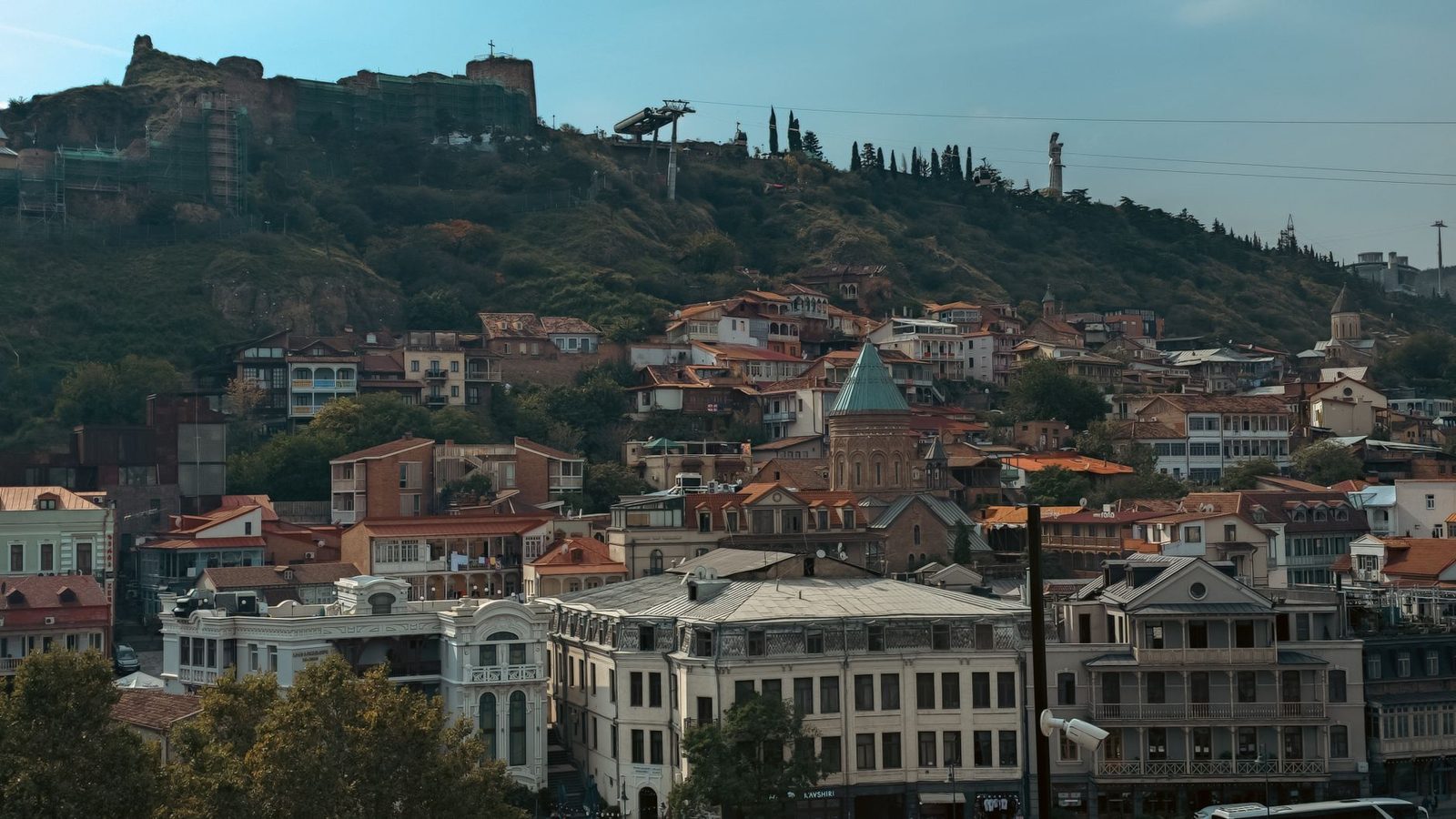
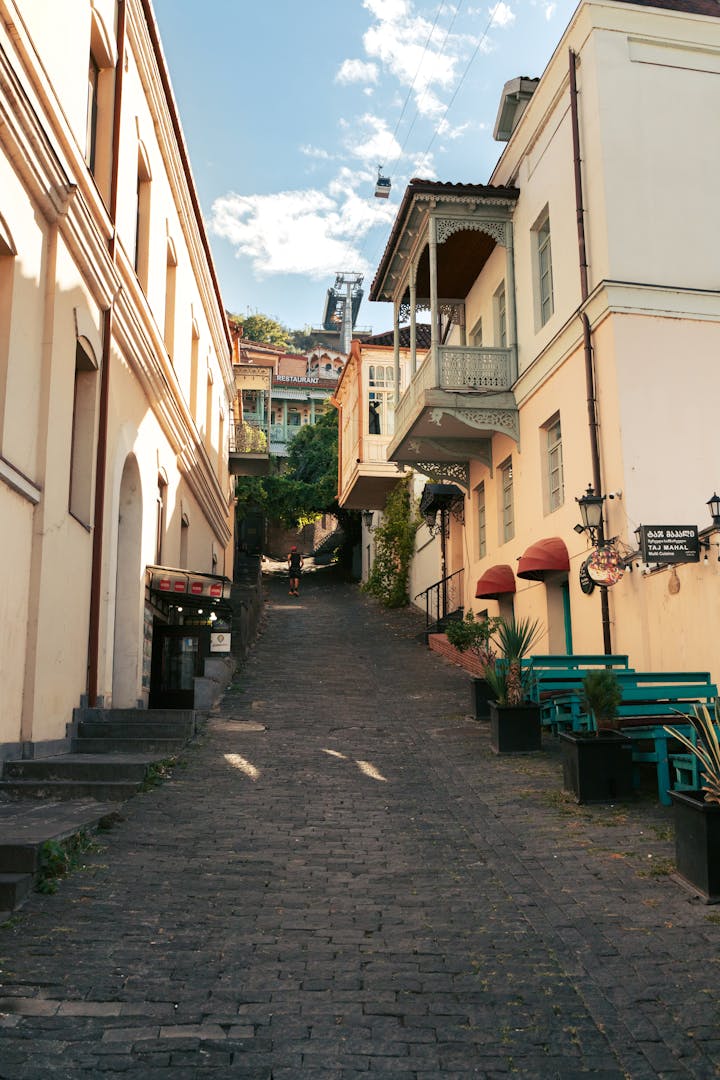
The first thing you notice about Tbilisi is that it doesn’t look like anything you’ve seen before. The old city has this collapsing, layered quality. Persian-style wooden balconies overhanging narrow streets. A 4th-century Georgian Orthodox church next to a Soviet-era block next to a wine bar with natural Georgian wine. It shouldn’t work. It does.
A Georgia Caucasus tour takes you through a country that sits where the mountains meet the Black Sea, sharing borders with Russia, Azerbaijan, Armenia, and Turkey. It has its own alphabet (one of 14 still in use worldwide), its own wine tradition (8,000 years old, the oldest documented anywhere), and a food culture that takes both seriously.
This guide covers what a guided tour of Georgia actually includes, which regions to prioritize, and what to expect from a country most Western travelers are only starting to discover.
Why Georgia Right Now
Georgia has been on the traveler radar for a few years but still hasn’t reached mass-market saturation. Tbilisi’s old city has excellent guesthouses, good restaurants, and a craft wine scene that charges a fraction of what the same quality would cost in Paris or London. The mountain regions are accessible but not polished. You’ll share roads with cows more often than tour buses.
That’ll change. It’s changing. But right now, Georgia offers the combination of cultural depth, accessible prices, and real novelty that experienced travelers spend years looking for.
“Most of our guests come to Georgia not knowing what to expect. They leave wanting to come back. It has that effect on people.”
— Nino, cultural tour lead across the Caucasus region
What a Georgia Tour Covers
Tbilisi (Days 1 to 3). Start in the old city. The Narikala fortress overlooks the sulfur bath district (Abanotubani), where the thermal baths have been running since the 5th century. Tbilisi’s name comes from the Georgian word for warm, the city grew around the hot springs. The baths are still working. You can book a private room and soak for an hour for less than the price of a coffee in Stockholm.
The Dry Bridge flea market runs every morning and sells everything from Soviet memorabilia to antique jewellery to hand-embroidered felt. It’s the best market in the Caucasus and almost completely undiscovered by package tourism. Go early, before the heat builds.
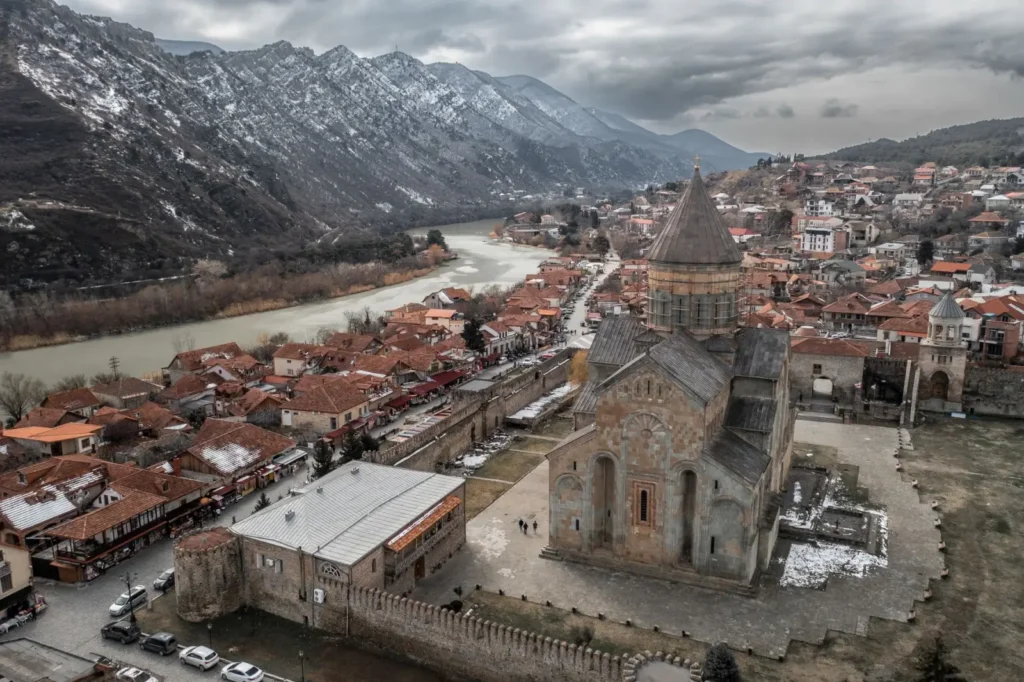
Mtskheta (Day 4). Georgia’s ancient capital, 20 minutes from Tbilisi. The Svetitskhoveli Cathedral was built in the 5th century (the current structure is from the 11th) and contains, according to tradition, the burial robe of Christ. Whether or not you’re religious, the building is striking, carved stone, frescoed walls, fortress towers, standing at the confluence of two rivers. UNESCO World Heritage Site, and quieter than you’d expect.
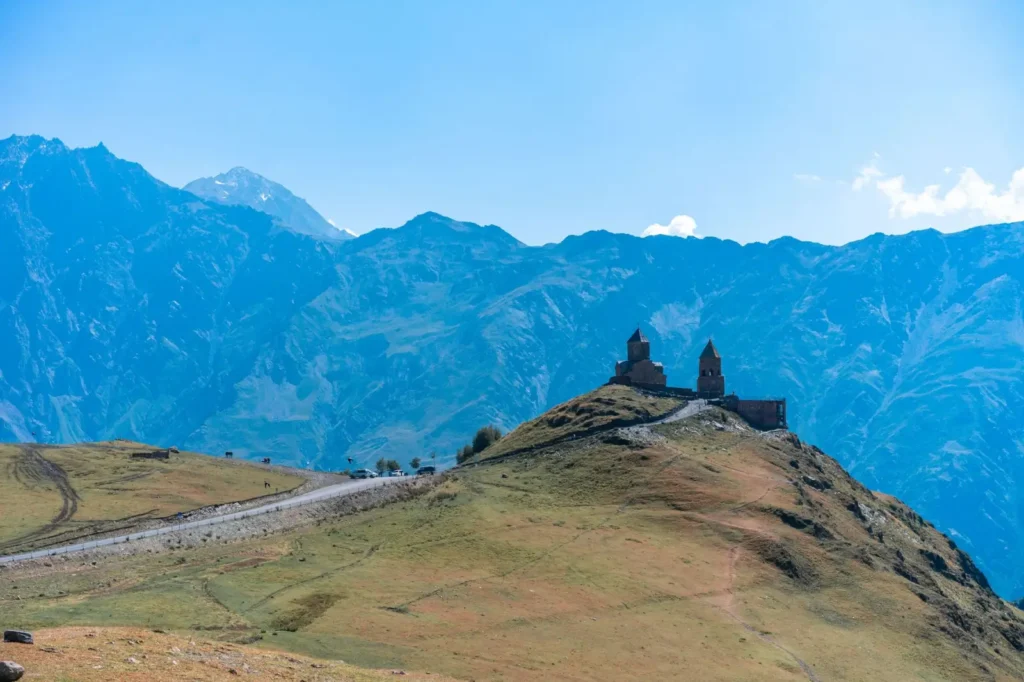
Kazbegi (Days 5 to 6). The highlight of any Georgia tour for most travelers. The Gergeti Trinity Church sits on a ridge at 2,170 meters, with the Kazbek volcano (5,047m) rising behind it and the Military Highway descending through the valley below. The drive from Tbilisi takes about three hours. The church was built in the 14th century and is still active, the monks there are not props. The view is one of the most arresting sights in the Caucasus.
The trail up from Stepantsminda village takes about two hours at a steady pace. Do it on foot rather than taking the 4WD option. The approach reveals the mountain and the ridge gradually, and arriving at the top after the climb is different from arriving in a car. Completely different.
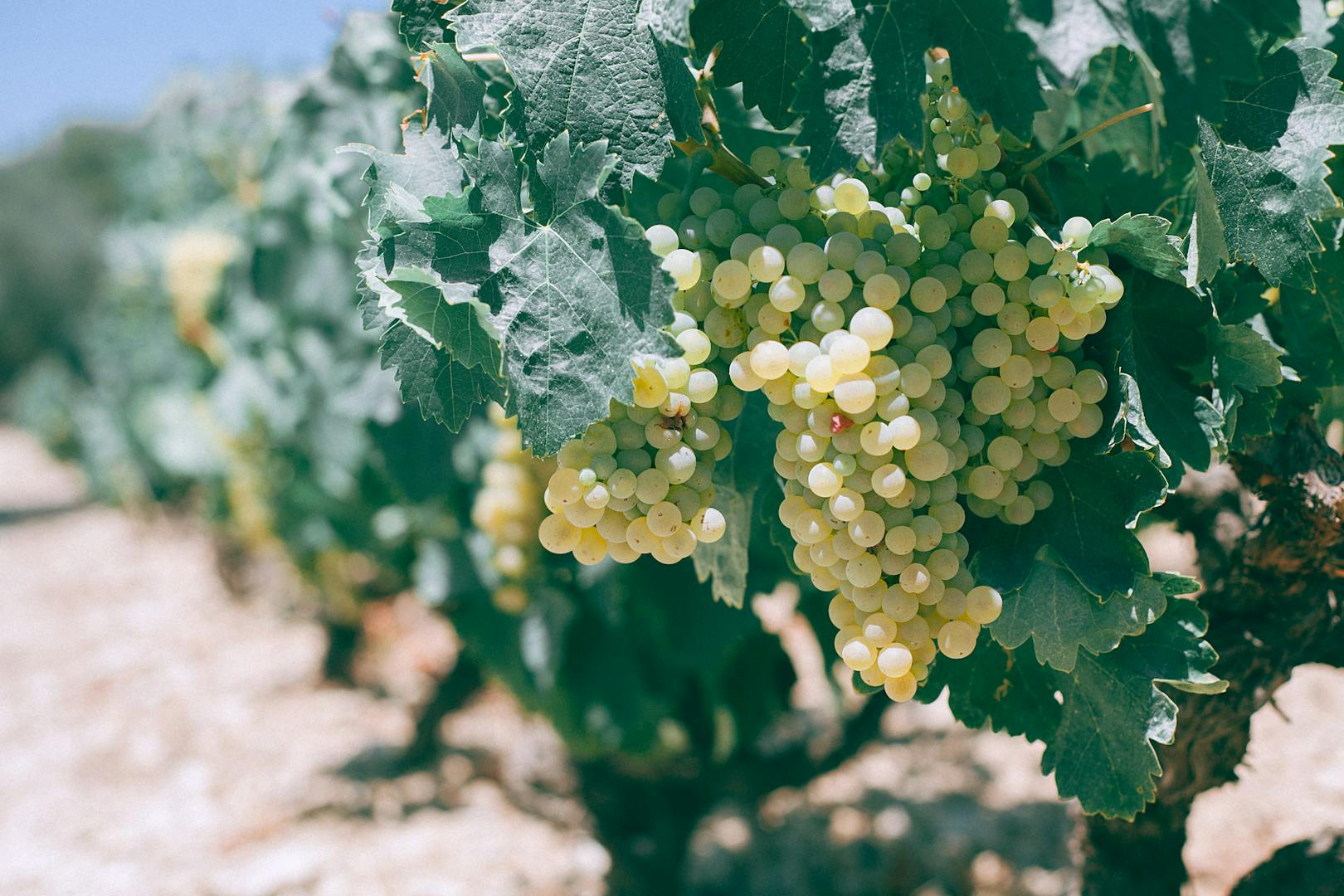
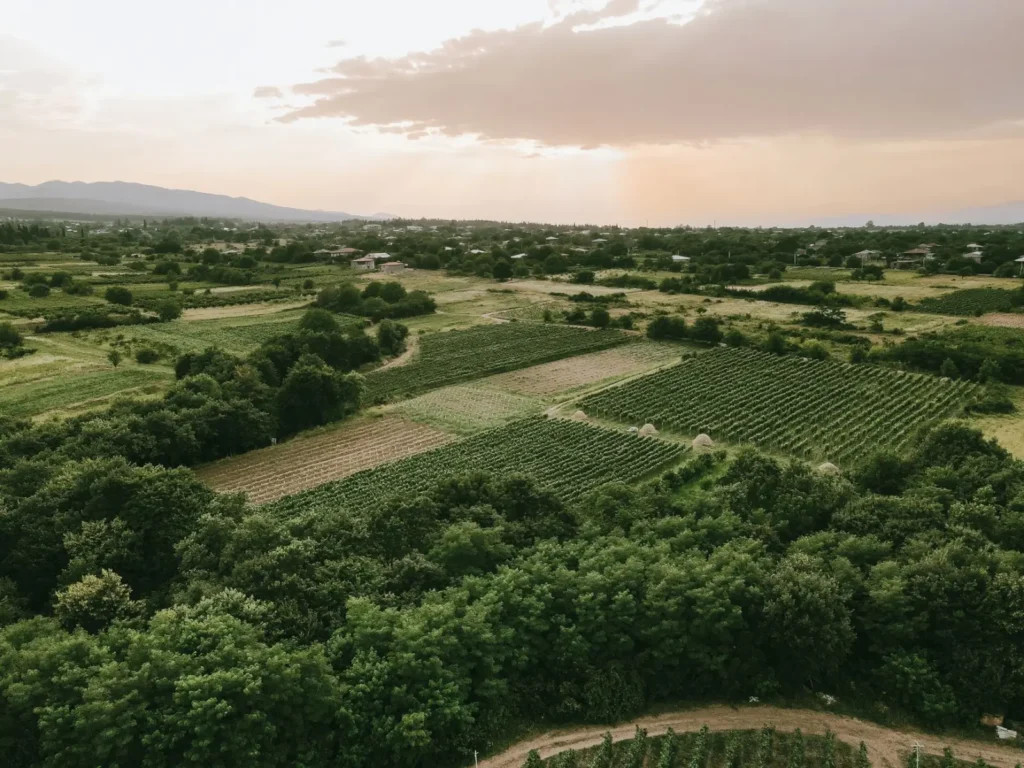
Kakheti Wine Region (Days 7 to 8). Georgia’s main wine region, about two hours east of Tbilisi. Georgians have been making wine in clay vessels called qvevri for 8,000 years, not a marketing claim but an archaeological fact, confirmed by residue analysis of pots found at Neolithic sites. The qvevri method (buried clay amphora, grape skins left in during fermentation) produces amber wines that taste unlike anything from conventional European winemaking. Tannic, complex, takes a few glasses to understand.
The wine estates in Kakheti range from family operations with five rows of vines to proper modern wineries. A guided tour includes both. At the family estates, you’ll probably eat as well. Georgians express hospitality through food and the table can last several hours if you let it.
Vardzia (optional extension, Days 9 to 10). A cave monastery carved into a cliff face in the 12th century by Queen Tamar. At its peak it had 3,000 rooms, 13 churches, and a population of several hundred monks. Most of it was destroyed by an earthquake in 1283. What remains is still worth the trip. Rooms and tunnels cut into the volcanic rock, frescoes surviving on interior walls, a working chapel where services still take place. It’s in southern Georgia, several hours from Tbilisi. Worth the journey if you have the time.
Georgian Food: The Real Reason to Go
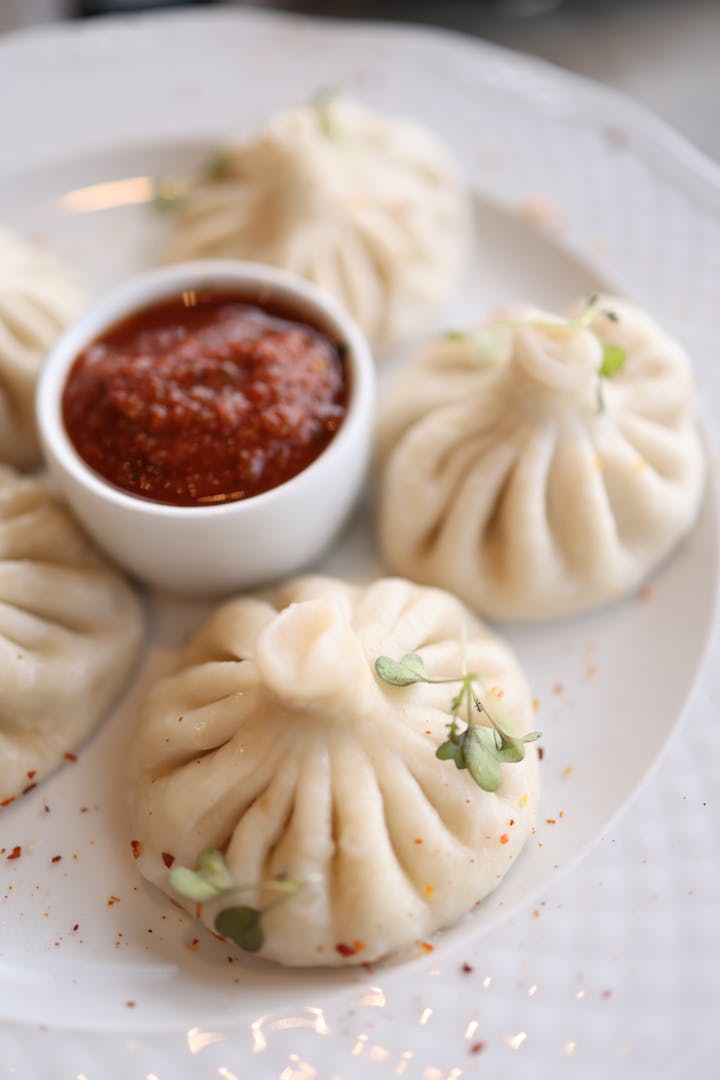
The food is seriously good. Khachapuri is the national dish, a bread boat filled with melted suluguni cheese and, in the Adjarian version, a raw egg and butter stirred in at the table. It’s exactly as good as it sounds. Khinkali are dumplings filled with spiced meat and broth, eaten by hand. Pick them up by the knotted top and drink the juice before biting in. Getting this wrong is fine. Everyone gets it wrong at first.
The key thing about Georgian food is that it’s intensely regional. Every valley has its own version of dishes, its own cheeses, its own way of preparing walnuts (which appear in almost everything). A good guide takes you past the tourist restaurants and into the places where the food is actually coming out of a wood-fired oven.
Best Time to Visit Georgia
April to June and September to October. The sweet spots. Warm in Tbilisi and Kakheti, the mountains are accessible, and the wine harvest in October is a reason in itself.
July and August. Hot in the lowlands, still accessible in the mountains. Tbilisi can hit 35°C. The beach towns on the Black Sea coast fill up with Georgian and Russian tourists.
Winter (November to March). Tbilisi is cold and quiet. The mountain roads to Kazbegi sometimes close due to snow. The ski resort at Gudauri is active in January and February. Not the obvious time to visit, but the city has a different atmosphere.
What a Typical Georgia Tour Includes
- Airport transfers (Tbilisi International Airport)
- All inter-regional transport (private vehicle with driver)
- Hotel and guesthouse accommodation throughout
- Licensed local guide throughout
- Entrance to key sites (Mtskheta, Kazbegi church, Vardzia)
- Winery visits and wine tastings in Kakheti
- Selected meals (typically breakfast daily, key lunches and dinners)
Not included: international flights, travel insurance, personal expenses, additional meals, tips.
Frequently Asked Questions
Is Georgia safe for tourists?
Georgia’s main tourist areas, Tbilisi, Kakheti, Kazbegi, Mtskheta, are safe. The border regions with Russia and South Ossetia are a different matter and aren’t part of any tour itinerary. Check your government’s travel advisory for current guidance.
Do I need a visa for Georgia?
Citizens of most Western countries, including the US, UK, EU, and Australia, can enter Georgia visa-free for up to 365 days. Check the current requirements for your specific passport, as the list of visa-exempt countries changes.
Is Georgia good for solo travelers?
Yes. Georgians are hospitable to visitors and the country is easy to navigate with a guide. Solo travelers on group tours often find the social aspect, shared meals, the Georgian tradition of toasting, one of the highlights.
How long do I need for a Georgia tour?
Five days covers Tbilisi, Kazbegi, and Kakheti at a reasonable pace. Eight days adds Mtskheta, more depth in the wine region, and the option of Vardzia. Ten days is relaxed and recommended if it’s your first visit.
When is the wine harvest in Kakheti?
The grape harvest (Rtveli in Georgian) runs from late September through October. It’s the best time to visit the wine region, some estates invite visitors to pick and press, and the landscape looks different with the vines turning gold.
Final Thoughts
Georgia is one of those rare places that rewards going slowly. Tbilisi is worth three days at minimum. Kakheti is best experienced sitting at a family table for four hours. Kazbegi is best climbed, not driven. A guided tour gives you the access and the context to get it right the first time. The country is still novel enough that good operators matter, and a few thousand feet of elevation and eight hours on the Military Highway feel different when someone else is driving.