
Old Cairo
Cairo
View deal on Hotels.com →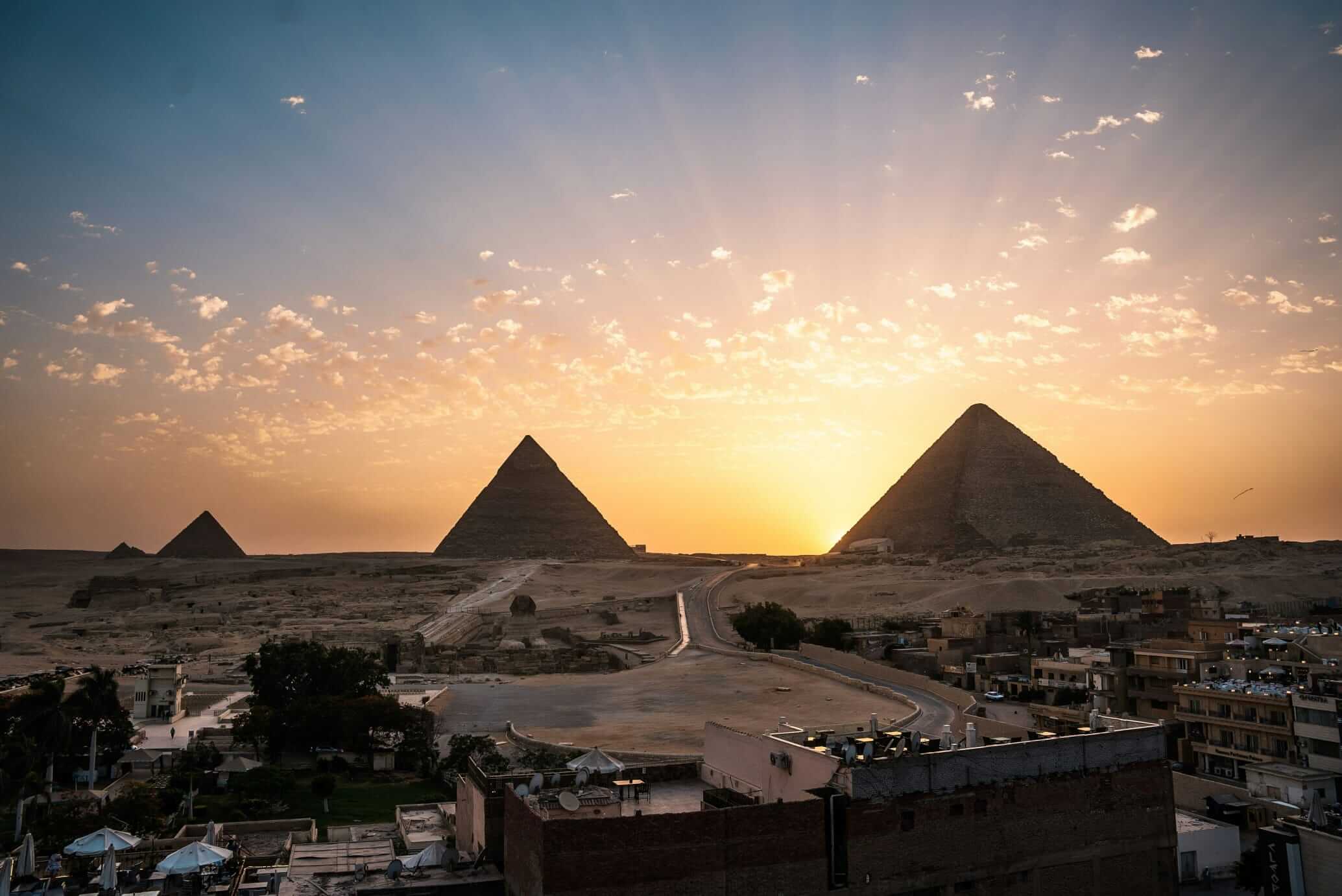
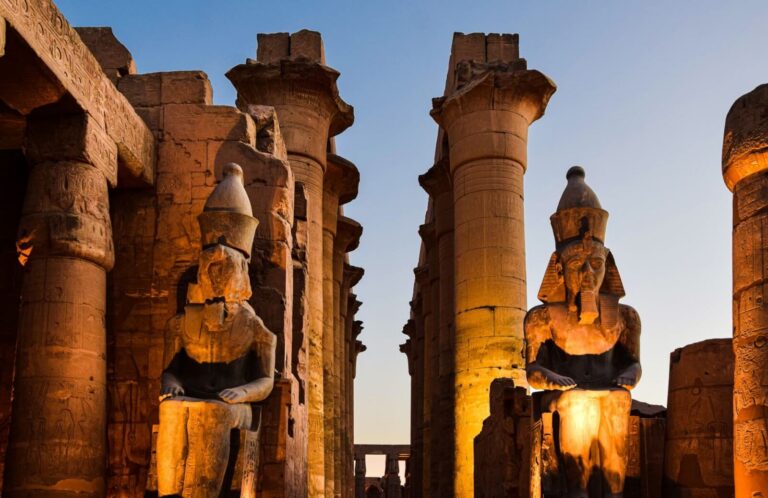
Egypt is a journey into scale, sunlight, and ancient imagination. Stand before the Pyramids of Giza, walk among Karnak's columns, and travel south to the monumental temples of Abu Simbel. The Nile, desert horizons, museums, bazaars, felucca rides, and layered cities give each day a direct connection to one of the world's great civilizations.
Cairo
View deal on Hotels.com →
Cairo
View deal on Hotels.com →
Cairo
View deal on Hotels.com →
Cairo
View deal on Hotels.com →
Cairo
View deal on Hotels.com →
Giza
View deal on Hotels.com →
Cairo
View deal on Hotels.com →
Cairo
View deal on Hotels.com →See all hotels in Egypt on Hotels.com →
ToursZoom may earn a commission from bookings made through these links, at no extra cost to you.
Planning a trip to Egypt? Learn which months suit your travel style — whether you want cooler temperatures, fewer crowds, or a…
Read guide →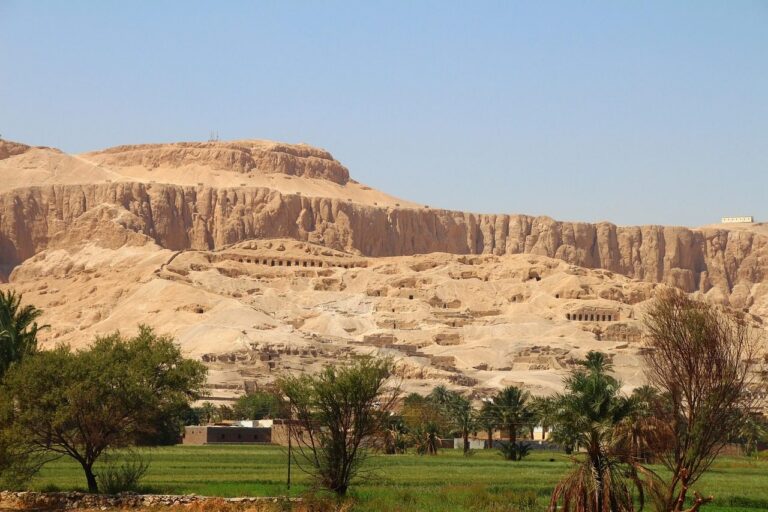
The sun rises over the Nile at 5:47 a.m. You’re still half-asleep on the upper deck, wrapped in a blanket, when the…
Read guide →
No river carries more history per kilometer than the Nile. A Nile river cruise between Luxor and Aswan covers a stretch of…
Read guide →
The short answer on the best time of the year for Nile river cruises: late October through early April. That’s the window…
Read guide →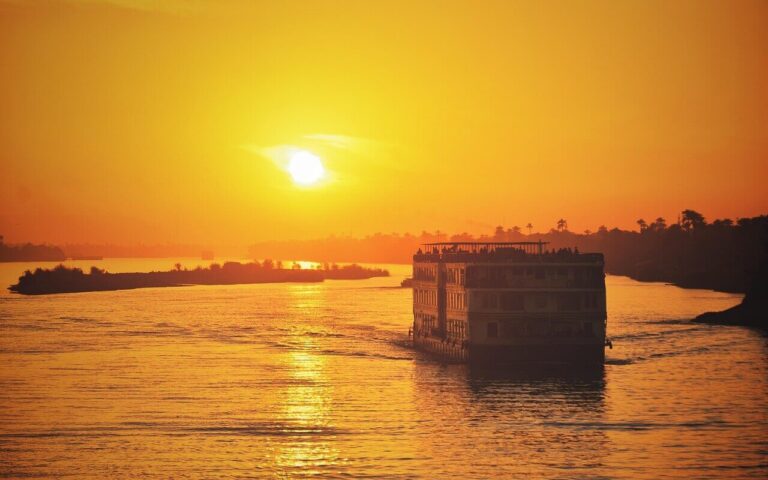
A first Nile cruise is different from most travel experiences in one important way: you’re not really choosing between good and better…
Read guide →October to April is the most comfortable window — cooler days make sightseeing in Cairo, Luxor and Aswan far easier. December to February is peak (best weather, higher prices, bigger crowds). May to September is hot, especially in the south, but brings lower prices and thinner crowds.
Most nationalities need a tourist visa. You can apply online via the official e-Visa portal (visa2egypt.gov.eg) or buy a visa on arrival at major airports — roughly $25 single-entry (about $60 multiple-entry), paid in USD, EUR or GBP cash. Your passport must be valid for at least six months.
Apply only through the official government portal, visa2egypt.gov.eg, at least seven days before departure — many copycat sites charge double. Carry both a printed and a digital copy of your approval.
Seven to ten days is the comfortable range for a first visit — enough for Cairo and Giza plus Luxor and Aswan, usually with a Nile cruise. Ten days lets you add Abu Simbel or a Red Sea extension without rushing.
No vaccinations are required for entry unless you arrive from a yellow-fever-risk country. The CDC recommends being up to date on routine vaccines plus hepatitis A and typhoid for most travellers. Consult a travel-health clinic about four to six weeks before you go.
The main tourist circuits — Cairo, Giza, Luxor, Aswan, the Nile and the Red Sea resorts — are generally well set up for visitors. Take normal city precautions, follow local guidance, and check your government's current travel advisory before you travel.
No — stick to sealed bottled water, which is cheap and available everywhere. Use it for brushing your teeth too, and avoid ice in drinks except at reputable hotels and restaurants.
Egypt is a conservative, majority-Muslim country, so modest dress is respectful: cover shoulders and knees, for all genders. A light scarf is handy for mosques and doubles as sun protection. Beach resorts like Hurghada and Sharm el-Sheikh are more relaxed.
Tipping is woven into daily life and expected for many small services. As a rough guide: a private guide $10–15 per person per day, a driver around $5, and 10–50 EGP for porters, restaurant staff and attendants. Carry plenty of small notes.
For most first-time visitors, yes — it's the smoothest way to connect Luxor and Aswan while visiting riverside temples you'd otherwise struggle to reach. The standard option is a four-night sailing from Luxor to Aswan (or three nights in reverse), stopping at Edfu, Kom Ombo and the Esna Lock.
Lightweight, breathable, modest clothing that covers shoulders and knees; comfortable walking shoes for temple complexes; a hat, sunglasses and high-SPF sunscreen; a light scarf; a reusable water bottle; and a Type C (European two-pin) plug adapter. Add a sweater for cool winter evenings.
Ramadan dates shift each year with the lunar calendar. Most tourist sites and restaurants stay open, though some local eateries close during daylight and a few attractions adjust their hours. It's respectful to avoid eating, drinking or smoking in public during fasting hours.
ToursZoom is a booking intermediary that connects travellers with independent tour operators. ToursZoom does not operate, conduct, or supervise any tours. All tours are provided by third-party operators who are solely responsible for the travel experience, safety, and services delivered.