
Some links in this article may earn ToursZoom a commission at no extra cost to you — see our affiliate disclosure.
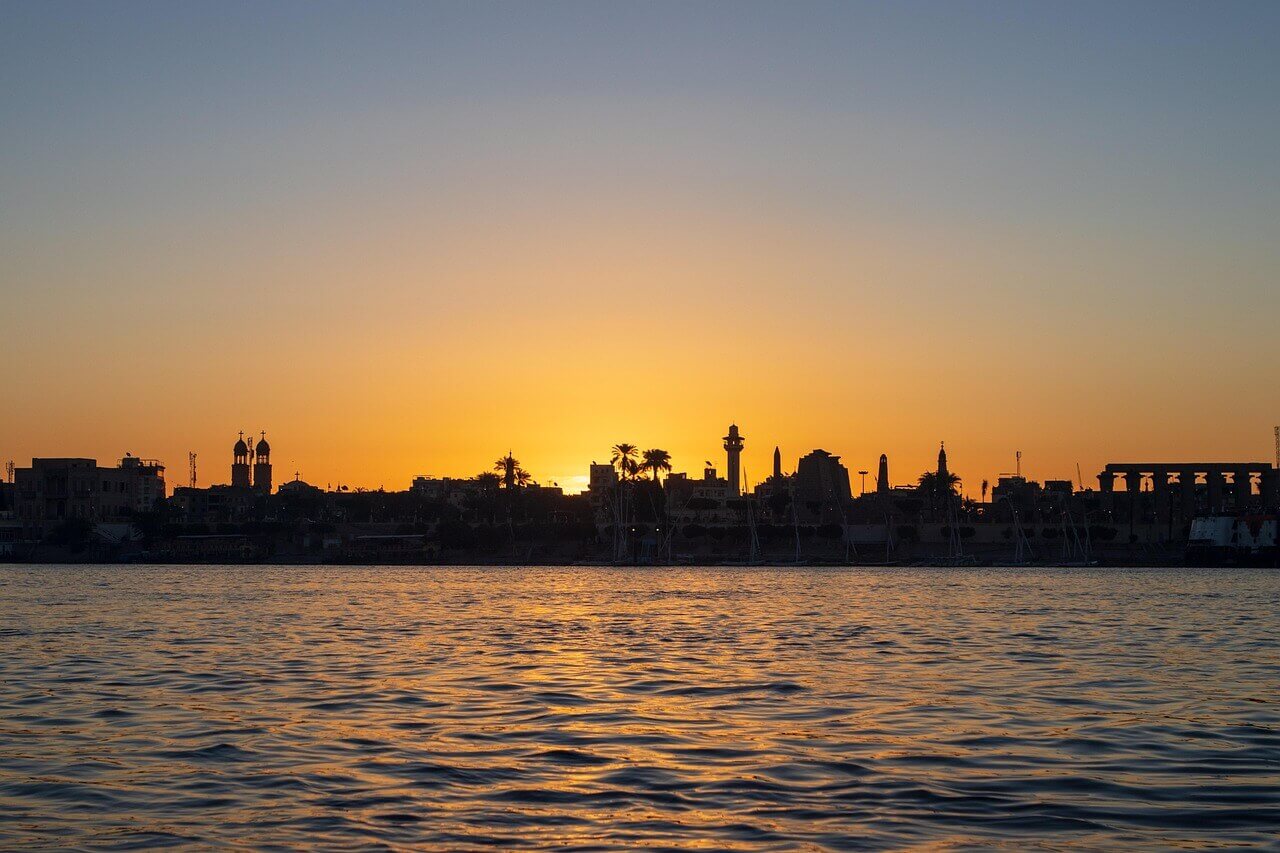
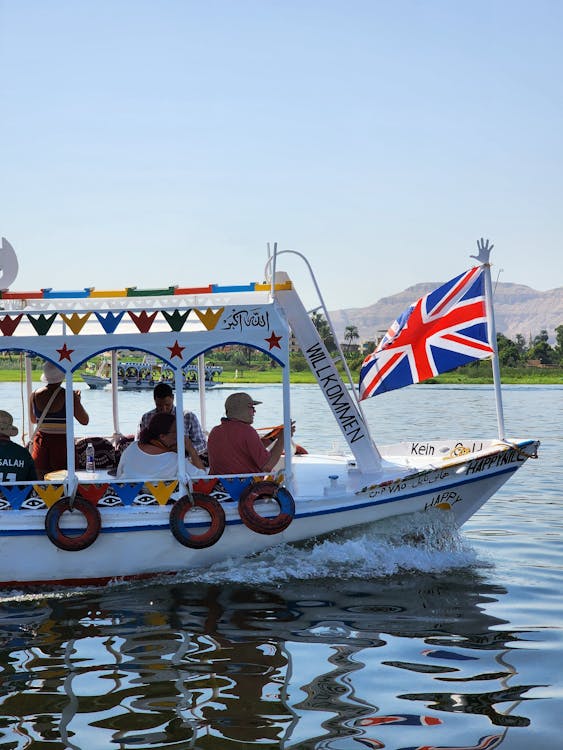
The short answer on the best time of the year for Nile river cruises: late October through early April. That’s the window when Upper Egypt, from Luxor to Aswan, is genuinely comfortable. Temperatures stay in the 65°F to 85°F range, skies are clear, and the dry air makes open-air temple visits a pleasure rather than an endurance test. But “comfortable” isn’t the same as “best for your specific trip.” There’s a real difference between October and January, between February and April. Here’s the honest breakdown.
Nile Cruise Seasons at a Glance
| Period | Temps (Luxor/Aswan) | Crowds | Price | Verdict |
|---|---|---|---|---|
| Oct to Nov | 75 to 90°F (24 to 32°C) | Building | Mid | Excellent |
| Dec to Jan | 60 to 75°F (16 to 24°C) | Peak | High | Very good, book early |
| Feb to Mar | 65 to 80°F (18 to 27°C) | High | High | Very good |
| Apr | 80 to 95°F (27 to 35°C) | Moderate | Mid | Good, heat arriving |
| May to Jun | 95 to 105°F (35 to 40°C) | Low | Low | Challenging |
| Jul to Aug | 100 to 115°F (38 to 46°C) | Very low | Lowest | Not recommended |
| Sep | 90 to 105°F (32 to 40°C) | Low | Low-Mid | Possible, not ideal |
October and November: The Sweet Spot
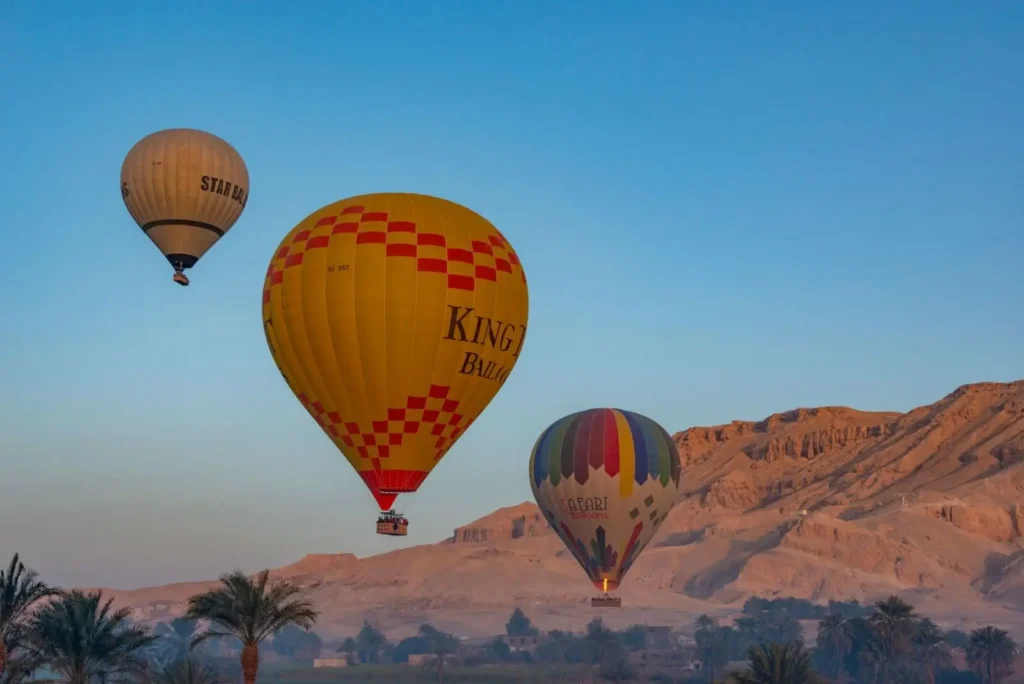
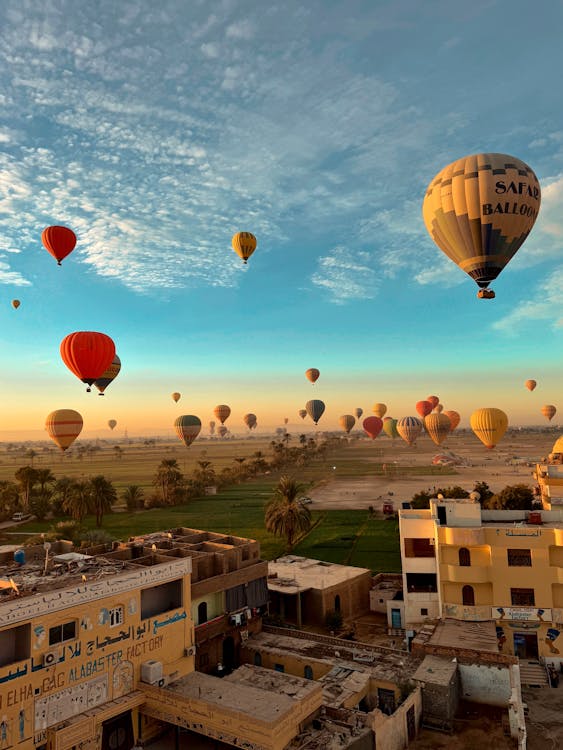 Late October is, for most travelers, the single best month to cruise the Nile for the first time. The summer heat breaks. Temperatures settle into the mid-70s to mid-80s (°F). Post-summer pricing hasn’t yet climbed to peak levels, you’ll typically pay. Daylight is generous, 11 to 12 hours of good light for temple visits. The Valley of the Kings in October morning light, before the December crowds arrive, is a different experience from the same site in January. By mid-November most major cruise ships are sailing at near-full capacity. Prices rise. But conditions remain excellent, it’s still worth it if you book 2 to 3 months ahead. Best for: First-time visitors, travelers who want comfort without peak-season crowds or prices.
December and January: Peak Season, Real Reasons
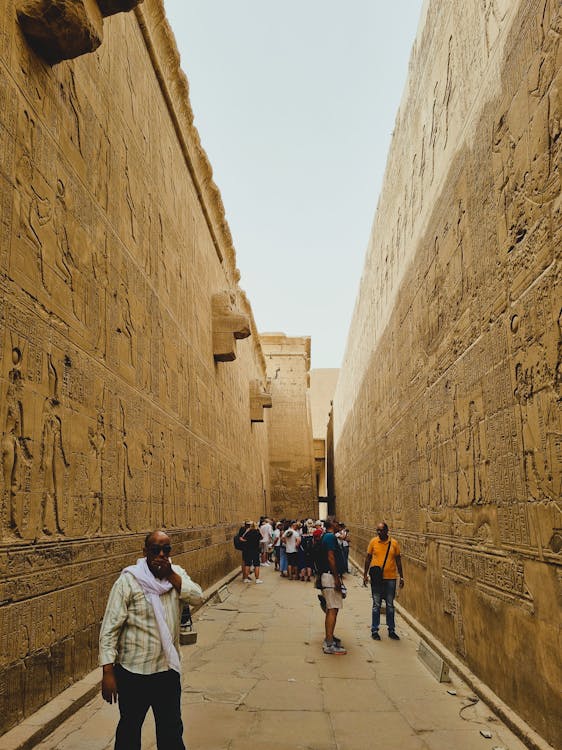 The busiest period on the Nile. European and North American holiday travelers fill both the ships and the temple sites. The Valley of the Kings at 10am on the 27th of December involves queue management that no guide can fully solve. That said, January is worth knowing about separately. It’s the quietest month within the peak window. The holiday crowds have gone. Prices remain high, but the sites have breathing room again. Luxor averages 60 to 68°F (16 to 20°C) during the day in January, dropping to around 45°F (7°C) at night. For travelers who find even 75°F warm, this is genuinely appealing. Christmas week specifically is the most crowded, and most expensive, period of the year on the Nile. If you’re traveling in late December, book 5 to 6 months ahead and expect to share the Valley of the Kings with several hundred other people. Best for: Travelers with fixed holiday dates. If you can choose within this window, pick January.
February and March: Second Best Window
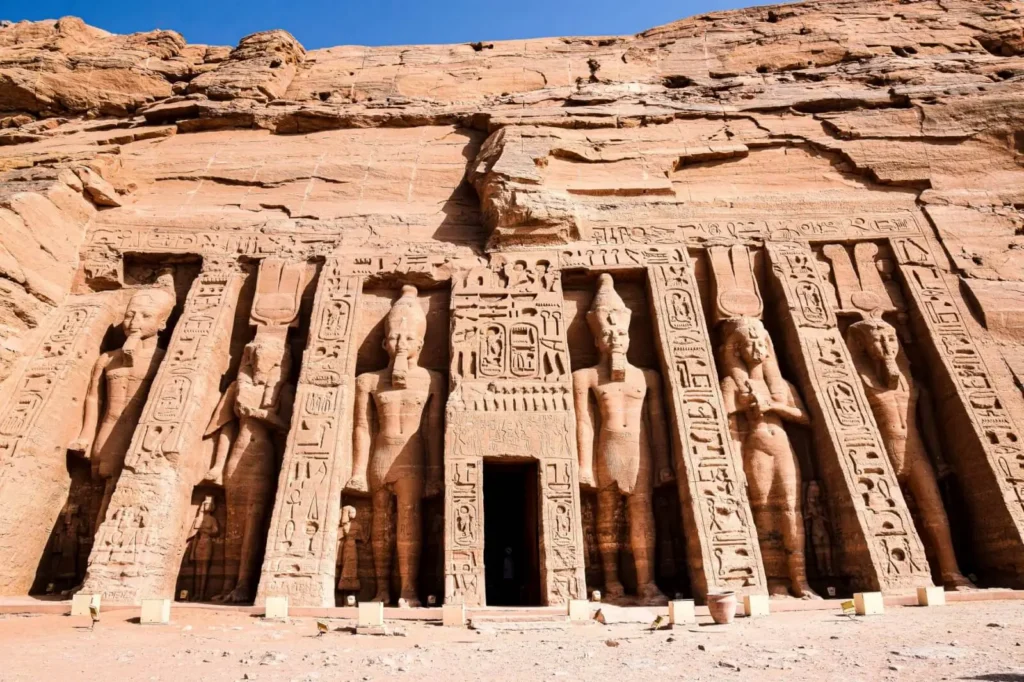
February and March combine good temperatures (65 to 85°F), strong sunshine, and slightly lower prices than December/January. Crowds are still present but ships aren’t overbooked. February is also the month of the Abu Simbel Sun Festival, on the 22nd, the sun illuminates the inner sanctuary of Ramesses II’s temple at Abu Simbel. It draws a crowd but it’s a genuine spectacle. By late March, Aswan is regularly hitting 90°F in the afternoons. A preview of what’s coming. Morning and evening temple visits are still very comfortable. Best for: Couples and families wanting reliable weather without booking 5 months out.
April: Last Comfortable Month

Early April is still workable. Temperatures are climbing but mornings and evenings remain pleasant. Crowds thin noticeably from March levels. Prices drop slightly. By late April, Luxor and Aswan afternoon temperatures regularly exceed 95°F (35°C). Not brutal, but outdoor site visits between 11am and 4pm become genuinely tiring. Schedule mornings and evenings. Best for: Budget-conscious travelers who book early April and structure site visits around the cooler hours.
May to June and July to August: Summer Realities
 This is honest information, not a sales pitch. May and June in Upper Egypt hit 100 to 105°F (38 to 40°C) regularly. July and August exceed 110°F (43°C) on some days. The Valley of the Kings at midday in August is not a viable tourist experience for most people. The rock amplifies the heat. There’s no shade. Cruise operators run at minimal capacity. Prices are at their lowest. The sites are as quiet as they ever get. If you travel in summer, you need reliable air conditioning on the ship, confirm this before booking. Site visits must be completed before 10am or pushed to late afternoon. Some travelers embrace this and report genuinely memorable experiences at near-empty temples. They are not typical travelers. Best for: Experienced Egypt visitors who prioritize empty sites over comfortable conditions. Not recommended for first-timers or families with children.
September: Improving but Not There Yet
By late September temperatures start dropping from summer extremes. Aswan averages 95°F (35°C) in September, still hot, but moving in the right direction. Prices are low, sites are quiet. A small number of deal-seeking travelers use this window intentionally. Not ideal for a first visit. Better than August. The sweet spot from October is close enough to wait for.
Practical Timing Checklist
Before confirming your Nile cruise dates:
- Temple hours: Most sites open at 6am and close at 5pm. Morning visits (6 to 10am) are cooler and less crowded at every time of year, not just summer.
- Abu Simbel alignment: February 22nd and October 22nd, the sun illuminates Abu Simbel’s inner sanctuary. Book 6+ months ahead for these dates.
- Ramadan: Dates shift annually. Temple sites stay open for tourists throughout. Some restaurant and service hours adjust.
- Egyptian school holidays: Mid-July to mid-September is Egypt’s domestic summer holiday, domestic tourism peaks while international tourism drops.
Frequently Asked Questions
What is the best month for a Nile cruise?
October and February are the two best single months: comfortable temperatures, fair prices, and manageable crowds. December and January are excellent for conditions but require earlier booking due to high demand.
Is March too hot for a Nile cruise?
No. March is comfortable. Daytime temperatures in Luxor average 80 to 85°F (27 to 29°C), with cooler mornings and evenings. The full summer heat doesn’t arrive until May.
How cold does it get on a Nile cruise in January?
January nights in Luxor drop to around 45 to 50°F (7 to 10°C). Bring a light fleece for evenings on deck and early morning temple departures. Daytime is mild at 65 to 70°F.
Are Nile cruises more expensive in December?
Yes. The two weeks around Christmas and New Year are the most expensive period.
Can I take a Nile cruise in summer?
Technically yes, but summer in Upper Egypt is extreme: temperatures exceed 110°F in July and August. Manageable with strict early-morning scheduling and reliable air conditioning. Not recommended for first-time visitors.
Final Thoughts
Pick your month and you shape the whole trip. October and February give you the cleanest balance of weather, light, and crowds. December is the postcard version with peak prices attached. Summer is empty but punishing. Whatever you choose, the Nile itself doesn’t change, the experience of standing in front of Karnak at dawn works in every season. You’re just trading temperature for crowds, or crowds for temperature.