
Some links in this article may earn ToursZoom a commission at no extra cost to you — see our affiliate disclosure.
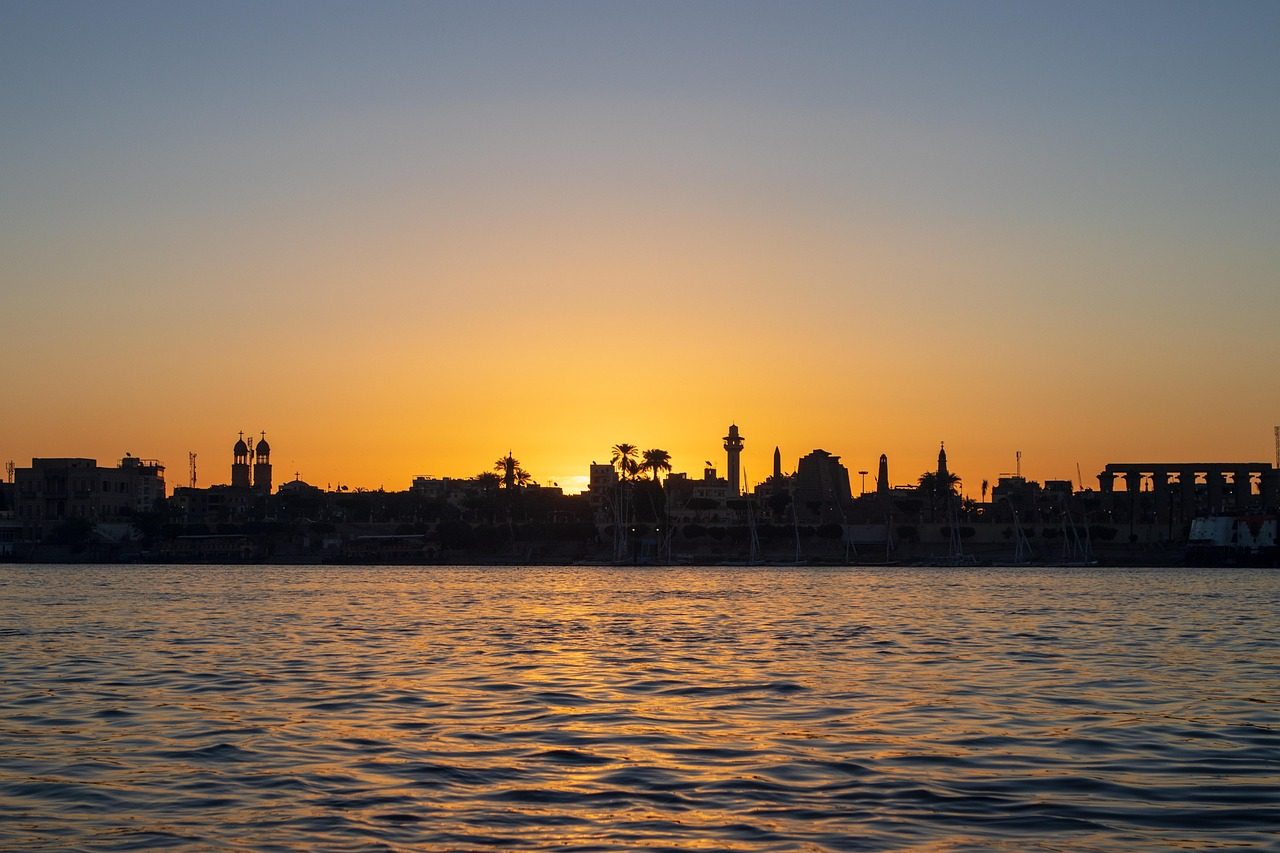
No river carries more history per kilometer than the Nile. A Nile river cruise between Luxor and Aswan covers a stretch of roughly 200 kilometers, and along it you pass temples that were already 1,000 years old when Julius Caesar sailed through. This isn’t just sightseeing. It’s the reason to come to Egypt. The Nile cruise isn’t a mode of transport with monuments attached. It’s the other way around.
The Luxor to Aswan Route: What You’re Actually Seeing
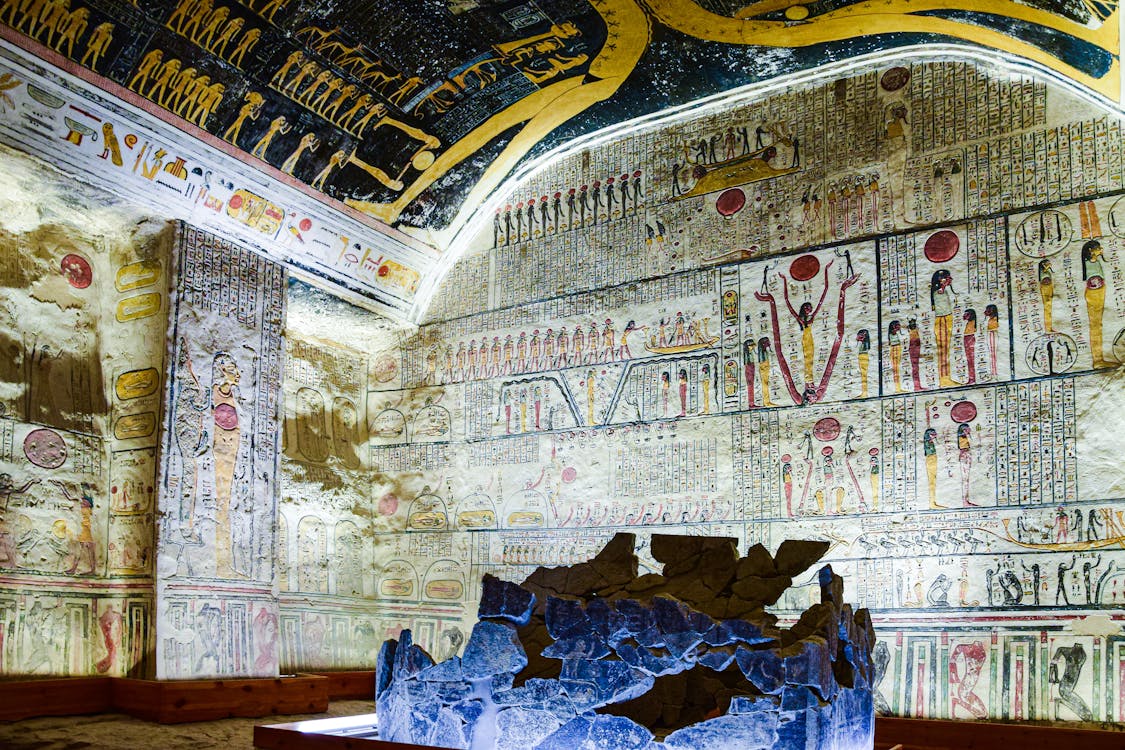
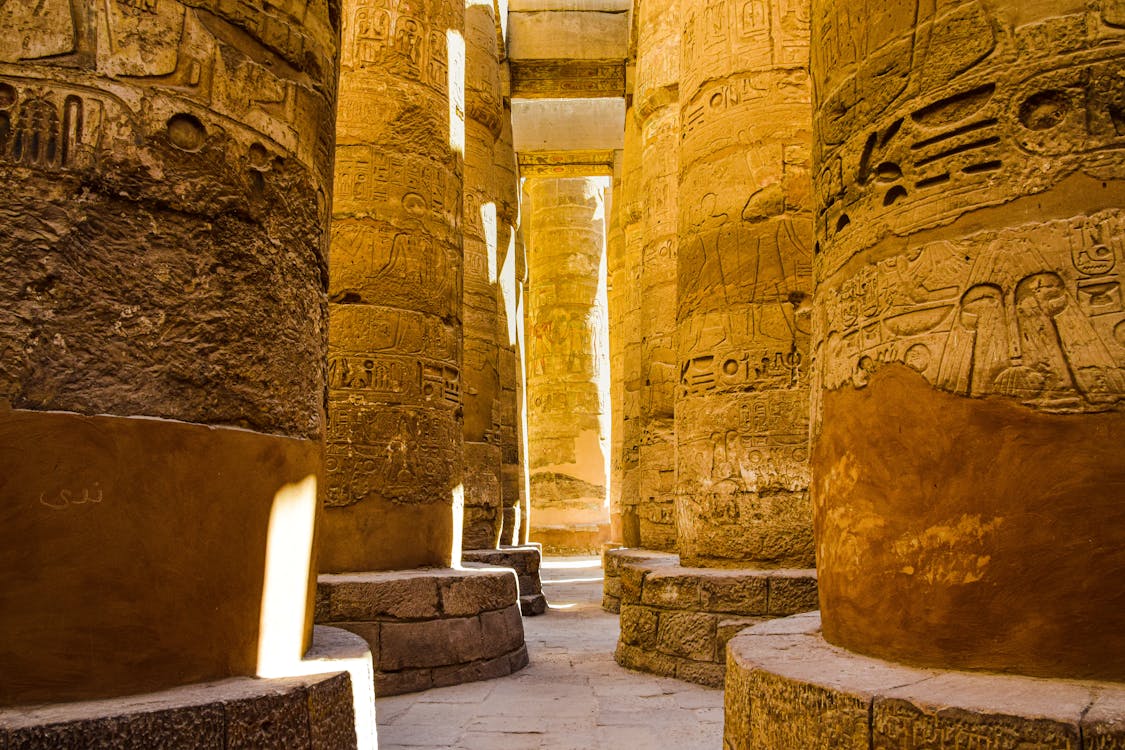 The standard Nile cruise runs 4 to 5 nights between Luxor and Aswan, sailing south through Upper Egypt. The distance is deceptive. You’re not racing through desert. Every bend in the river brings another temple, another village, another stretch of green sugarcane field bordered by sand cliffs. Luxor is where most cruises begin. Called Waset by the ancient Egyptians, it served as the capital of the New Kingdom for roughly 500 years. The city holds more pharaonic monuments than anywhere else on earth: Karnak Temple Complex, Luxor Temple, and across the river, the West Bank with its Valley of the Kings, Valley of the Queens, and the funerary temples of Hatshepsut and Ramesses III. The Ancient Thebes UNESCO listing covers the full site complex.
“Karnak is the site that takes the longest to stop feeling overwhelming. First-timers think it’s one temple. It’s more like a sacred city built and expanded over 2,000 years.” — Youssef, licensed Egyptologist leading Luxor temple tours for over a decade
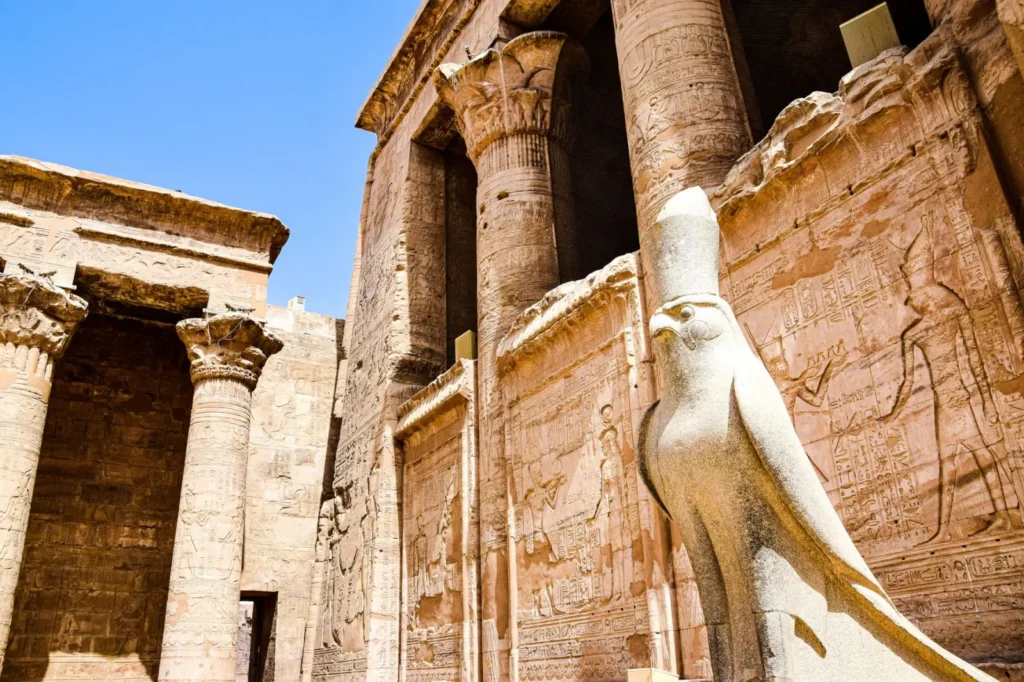
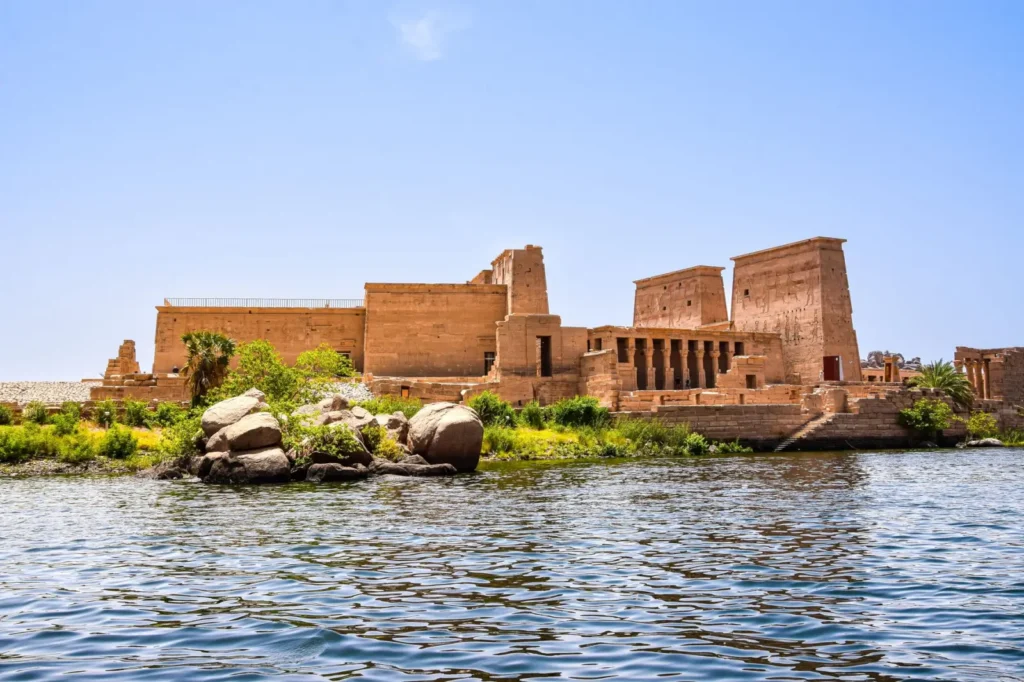
Edfu and Kom Ombo are the two main stops between Luxor and Aswan. Edfu holds the best-preserved temple in Egypt, the Temple of Horus, which looks as though it was completed last century rather than built 2,200 years ago. Kom Ombo is the double temple, split symmetrically between two gods: Sobek the crocodile deity on the south side, Haroeris on the north. The crocodile mummies in the on-site museum consistently surprise visitors who weren’t expecting them. Aswan is the endpoint for most 4 to 5 night cruises. The city has a different energy from Luxor, more Nubian influence, slower pace, market life stretching along the corniche. Key stops include Philae Temple (relocated stone by stone to save it from rising reservoir waters after the High Dam was built), the Unfinished Obelisk still lying in its granite quarry, and the Aswan High Dam itself.
Nile Cruise Ship Types: Felucca, Dahabiya, Motor Vessel
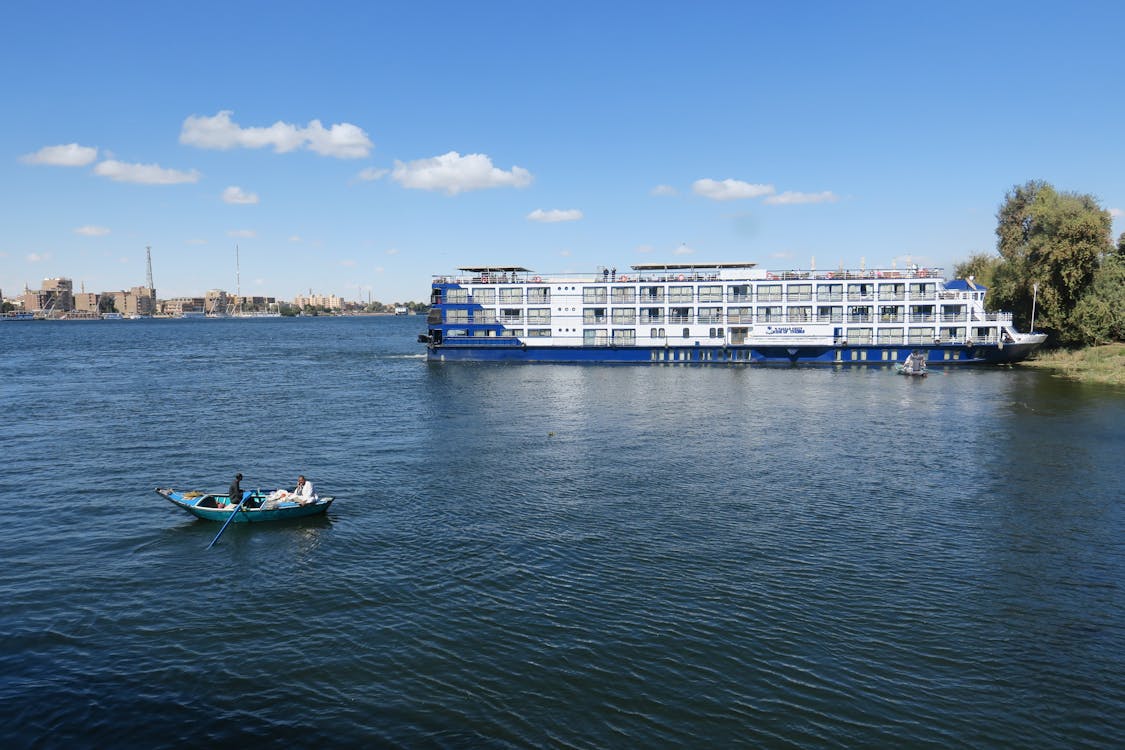 The Nile has three distinct vessel types. The choice shapes the entire trip, not just your cabin, but your pace, your group size, and what you actually see.
Motor Vessels
The most common option. Multi-deck ships carrying 40 to 150 passengers, running on a fixed schedule with full-board dining and guided excursions at every stop. Quality varies significantly. A Category A or 5-star vessel means spacious cabins, reliable air conditioning, and Egyptologist guides who handle the full temple program. Budget vessels are possible but add friction to an already intensive itinerary. Motor vessels suit: first-time Egypt visitors, families with children, travelers who want everything organized.
Dahabiyas
Traditional wooden sailing boats carrying 8 to 24 passengers. They move at a slower pace, stop at locations motor vessels skip, and spend nights moored at the riverside rather than docked at crowded quays. Meals are cooked to order. The quiet at night, just river sounds and the occasional bird, is something no motor vessel can match. Dahabiyas need 7 to 14 nights to cover Luxor-Aswan properly. They suit: repeat Egypt visitors, couples on honeymoon or anniversary, anyone who prioritizes atmosphere over efficiency.
Feluccas
Smaller still, with no cabin facilities. Passengers sleep on mattresses on deck under the stars. Budget-oriented, typically 2 to 3 nights between Aswan and Edfu. Not suitable for families with young children or anyone who needs air conditioning.
What a Typical 4-Night Nile Cruise Covers
| Day | Location | Key Sites | Notes |
|---|---|---|---|
| Day 1 | Luxor, East Bank | Karnak Temple, Luxor Temple | Afternoon arrival; Luxor Temple is worth visiting at night |
| Day 2 | Luxor, West Bank | Valley of the Kings, Hatshepsut Temple, Colossi of Memnon | Start early, it’s already hot by 10am |
| Day 3 | Edfu to Kom Ombo | Temple of Horus (Edfu), double temple at Kom Ombo | Two stops in one day; Edfu is the highlight |
| Day 4 | Aswan | Philae Temple, Unfinished Obelisk, High Dam, Nubian Village | Optional: hot air balloon at dawn |
| Day 5 | Aswan | Departure or Abu Simbel extension | Abu Simbel is 45 min by air, worth the trip |
Abu Simbel: Not on the standard cruise route. It’s 280km south of Aswan, best reached by a 45-minute flight. Most operators offer it as a pre- or post-cruise day trip. Don’t skip it if you can avoid it. The scale of Ramesses II’s temple is difficult to prepare for.
What’s Included (And What Isn’t)
 On a standard all-inclusive motor vessel: Included:
- Full-board meals (breakfast, lunch, dinner)
- Cabin accommodation
- Transfers to and from included temple sites
- English-speaking Egyptologist guide
- Porterage at the ship
Not included:
- Flights to/from Luxor
- Site entrance fees (the Luxor Pass covers most sites and pays for itself)
- Abu Simbel extension
- Tips for guides, drivers, crew (per person is standard)
- Alcoholic beverages on budget/mid-range ships
- Optional hot air balloon over Luxor West Bank
What to Look For When Choosing a Cruise
A few things matter far more than the brochure photos when you compare Nile cruises:
- Licensed Egyptologist guides: essential for site interpretation; not all companies provide this, and the difference is significant
- Group size: smaller groups mean more time at each site and better guide access
- Ship rating: cabin size, air conditioning reliability, and meal quality vary enormously between operators of similar standing
- On-trip support: can they adapt if a site closes or conditions change?
Frequently Asked Questions
How long is a typical Nile cruise?
Most Nile cruises run 4 or 5 nights, covering Luxor to Aswan or the reverse. Dahabiya sailboat cruises run longer, typically 7 to 14 nights, stopping at additional sites motor vessels skip.
Is a Nile cruise safe for first-time visitors?
Yes. The Luxor-to-Aswan route is Egypt’s most-visited tourism corridor. Reputable Nile operators are licensed by Egypt’s Ministry of Tourism and carry the required safety certifications for river travel — confirm both before booking.
What’s the best time of year for a Nile cruise?
October through April offers the best conditions, temperatures from 65°F to 85°F (18 to 30°C), clear skies, stable river levels. July and August are possible but extreme, often exceeding 105°F (40°C) in Upper Egypt.
Can I combine a Nile cruise with Cairo and the Pyramids?
Yes, and most first-time Egypt visitors do exactly this. Standard combination: 2 to 3 nights in Cairo (Pyramids, Egyptian Museum, Khan el-Khalili), then fly to Luxor for the cruise.
What’s the difference between a 4-night and 5-night Nile cruise?
The extra night adds either a second full day in Aswan, useful for Abu Simbel or the Nubian Museum, or a more relaxed pace through Kom Ombo and Edfu. Book the 5-night if you plan to visit Abu Simbel.
Are vegetarian and halal meals available?
All major Nile cruise ships accommodate vegetarian meals with advance notice. Halal food is standard across Egyptian catering, it’s the default, not an exception.
Final Thoughts
The Nile river cruise is one of those trips that delivers on its reputation. The temples are more impressive in person than in any photograph. The slow sail between ports settles you into a pace you didn’t know you needed. Pick a 4- or 5-star motor vessel, insist on a licensed Egyptologist guide, and add Abu Simbel if your schedule permits. Egypt rewards visitors who arrive ready to pay attention.