
Some links in this article may earn ToursZoom a commission at no extra cost to you — see our affiliate disclosure.
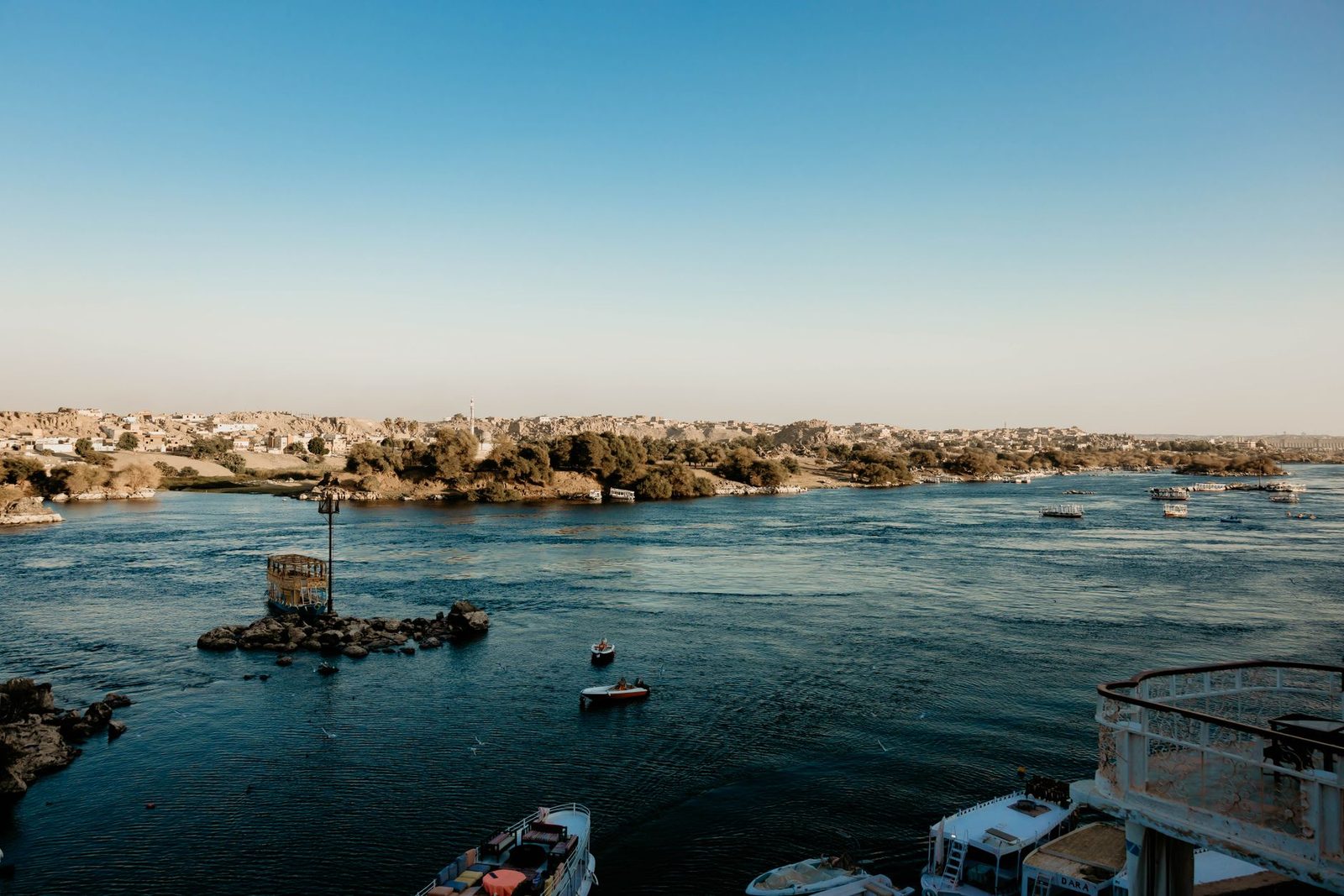
River cruises didn’t creep up quietly. One year they were a niche market for retirees with time on their hands. Then they weren’t niche anymore. The Cruise Lines International Association reported 17% growth in river cruise bookings between 2023 and 2025, and the momentum hasn’t stopped. I’ve done a Nile cruise myself, four days from Aswan to Luxor, and I spent most of it trying to figure out why the format works as well as it does. Part of it is hospitality: the food, the service, the small-ship rhythm. Part of it is pure geography, temples sitting directly on the water you’re sailing. Operators running river cruises on the Nile, the Douro, and other major routes all report the same pattern: demand keeps climbing. Quick answer: River cruises are growing because they solve the biggest frustrations with conventional travel, constant packing, surface-level sightseeing, overwhelming scale. Small ships (100-180 guests vs. ocean liners at 5,000+), itineraries that dock in city centers, and all-inclusive pricing make them genuinely different from other tour formats.
What Makes River Cruising Different
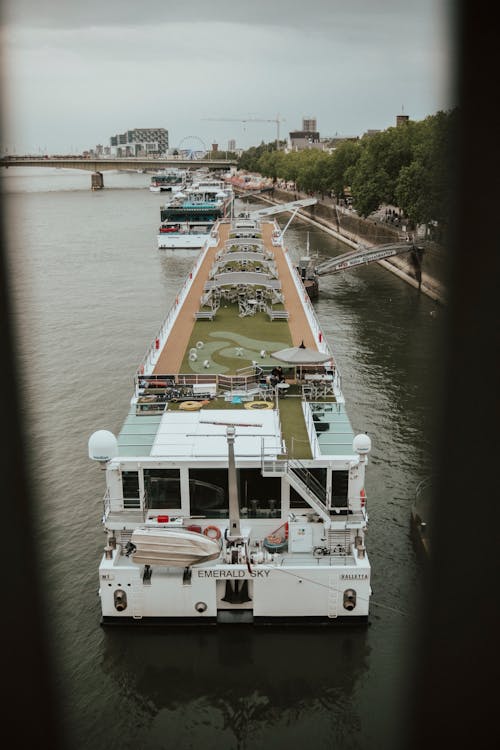 The word “cruise” does river cruising a disservice. People hear it and picture the floating resorts parked outside Caribbean islands. That’s a different product entirely. River ships are small. Most carry between 100 and 180 guests. Some carry fewer. Compare that to an ocean liner at 5,000-6,000 passengers and you start to understand why the experience feels completely different. The ships dock in the middle of cities, not at ports 40 minutes outside them. You wake up moored in the center of Budapest or Bratislava or Luxor. Step off the gangplank and you’re already there. No shuttle buses, no 45-minute transfer through industrial suburbs. “The first thing guests say after their first morning is that they can’t believe how easy it is,” says Ahmed, who’s been running Nile cruise departures out of Luxor since 2011. “No airport. No packing again. They wake up and Egypt is just.. outside.” You unpack once. You sleep while the ship moves to the next destination. You wake up somewhere new. For travelers who’ve done the exhausting circuit of budget hotels and 5am train connections, that simple fact lands differently than it sounds.
Why Demand Is Growing
Travelers want to actually experience places
There’s a growing backlash against “checklist” travel. Fifteen countries in twelve days. Three hours at the Colosseum, passport stamp, next flight. River cruises are the structural opposite. You spend a full day, sometimes two, in each stop. Shore excursions go beyond the main square: local food markets, vineyard visits, guided walks through medieval neighborhoods. You don’t just pass through a place. You get something of a feel for it. The average river cruise traveler is getting younger, too. From around 66 years old in 2019 to approximately 55 by 2025. Gen X travelers and younger are discovering what older travelers already knew: slow travel is better travel.
Smaller scale means a different atmosphere
When you’re one of 150 people on a ship rather than one of 5,000, the vibe shifts considerably. You learn the names of the crew. You see the same people at dinner every night. It has the social rhythm of a house party, not a convention. The ships also get to places bigger vessels can’t reach. Smaller Douro wine-country tributaries. Narrow passages in the Rhine Gorge. Ancient Nile docks where the water meets temple walls. Those moments don’t happen on large-scale ocean routes.
All-inclusive pricing makes planning simpler
A lot of river cruises bundle accommodation, meals, guided excursions, and local transport into one price. No budget spreadsheet tracking every dinner and cab. You know what the trip costs before you leave. For travelers who find independent travel logistics exhausting, especially in destinations where navigating transport and bookings is genuinely complicated, that simplicity isn’t a minor perk. It’s the whole point.
New routes are opening demand
Ten years ago, river cruises mostly meant Western Europe: the Rhine, the Danube, the Moselle. Now operators run year-round departures on the Nile, the Douro, the Mekong, the Irrawaddy, and domestic US routes on the Mississippi and Columbia River. Each new route brings a new audience. Travelers who weren’t interested in Central European castles are very interested in ancient Egyptian temples from a Nile deck.
The World’s Best River Cruise Routes
The Nile, Egypt
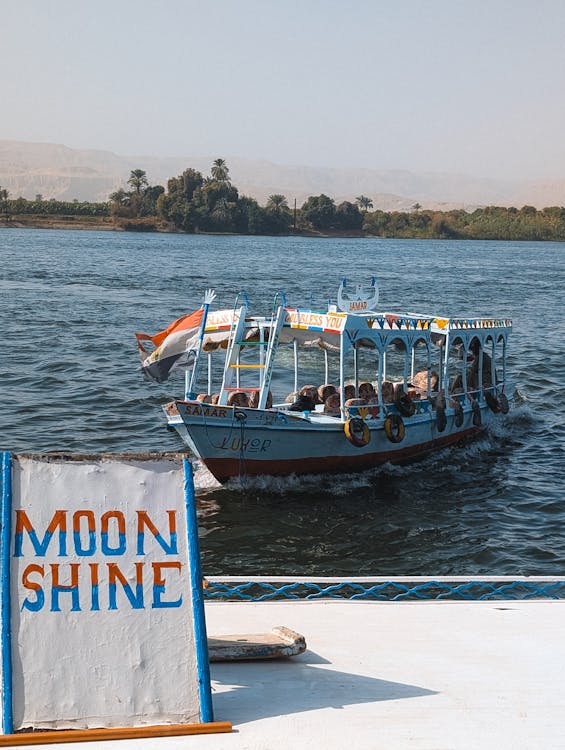 The Nile cruise between Luxor and Aswan is one of the most historically loaded journeys in travel. Karnak Temple. The Valley of the Kings. Kom Ombo. Edfu. These aren’t detours, they’re the itinerary. An onboard Egyptologist guides visits at each stop, and the transition from your cabin to standing at a 3,500-year-old temple takes about four minutes. The Ancient Thebes with its Necropolis (modern Luxor) is one of UNESCO’s most visited World Heritage sites for a reason. Most Nile cruises run 4-7 nights, ranging from standard motor vessels up to premium dahabiya sailings. This is the route operators see the most repeat bookings on.
The Danube and Rhine, Europe
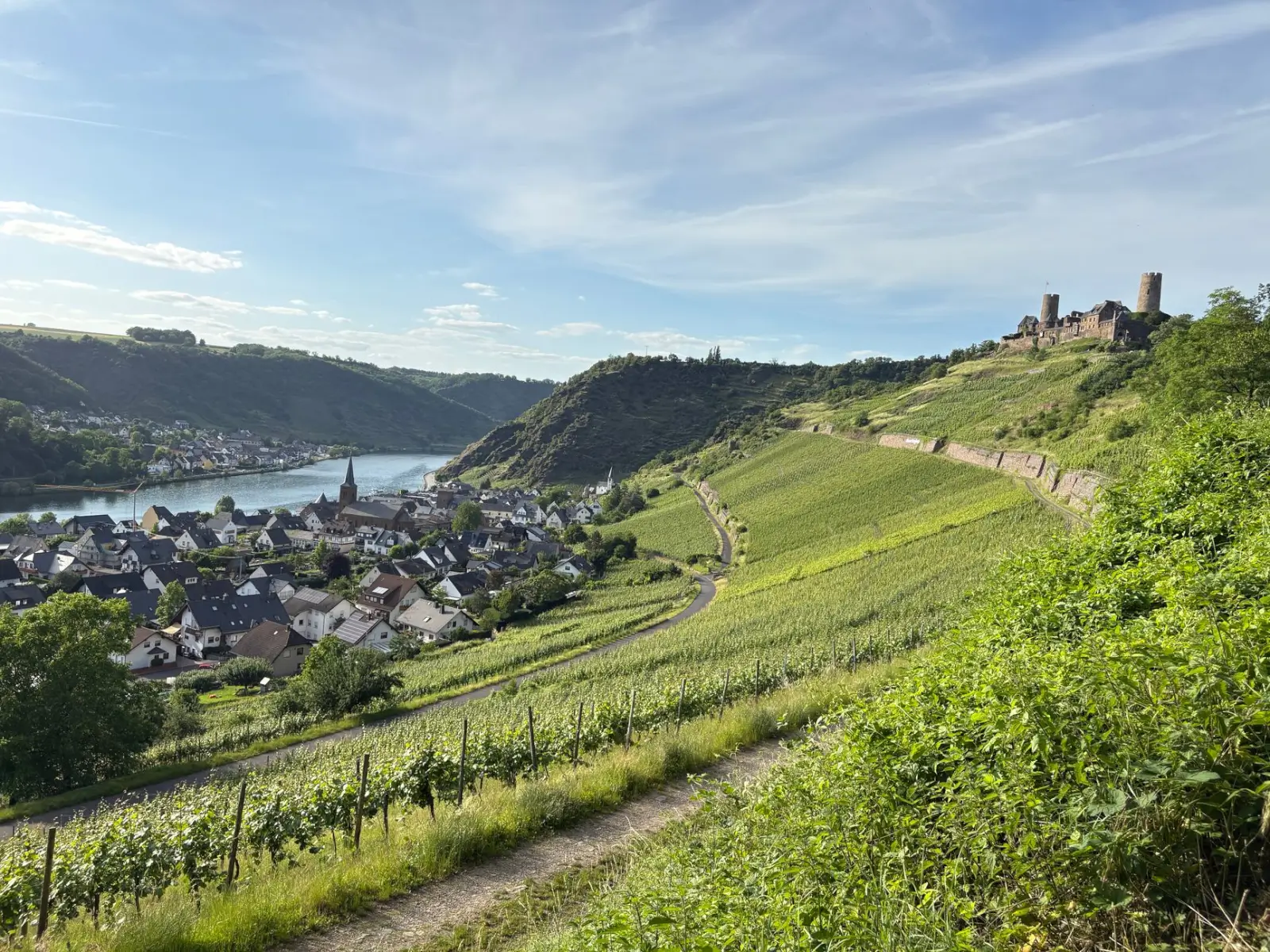
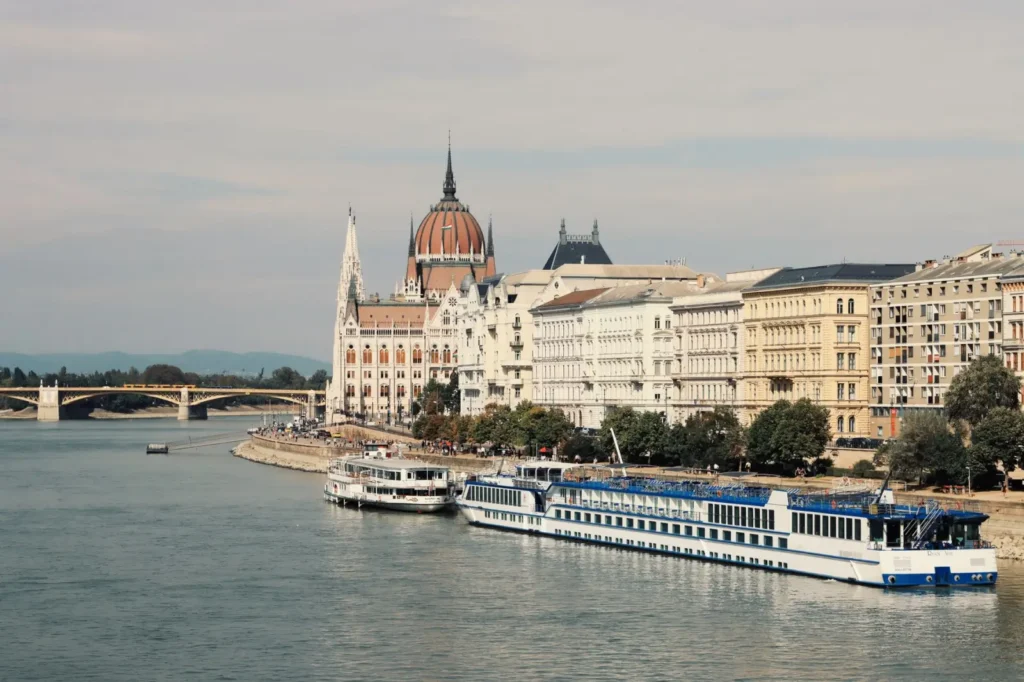
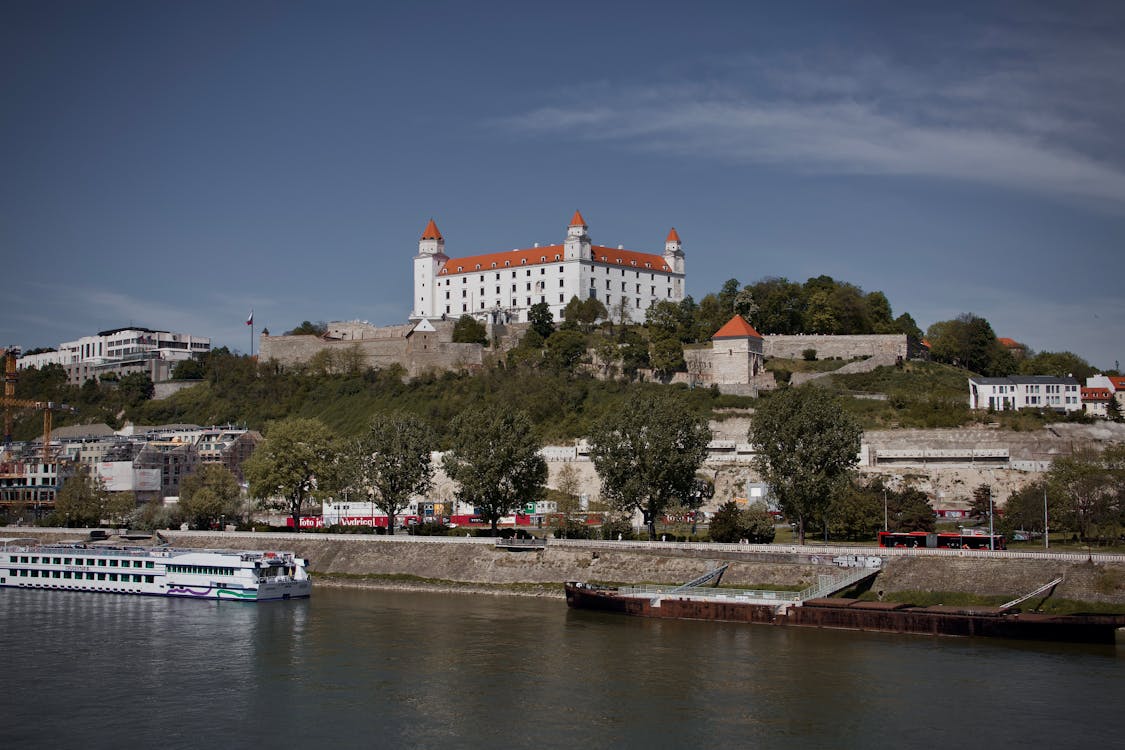 The Danube connects Vienna, Budapest, Bratislava, and a string of medieval towns along the Austrian and Slovak banks. The Rhine runs through Germany’s vine-covered gorges, past castle ruins and chocolate-box villages. Both are classic routes for good reason. These itineraries typically run 7-14 nights. A Danube cruise in the range covers the major cities with guided stops; luxury options run higher. Best season: late April through October, with Christmas market cruises in December genuinely worth the premium.
The Douro, Portugal
The Douro through Portugal’s wine country is narrower and quieter than the German and Central European rivers, which is exactly the appeal. Vineyards climb the valley walls. Port wine lodges dot the banks. Ships stop at small towns where the main street fits two people walking abreast. For a slower, less touristed alternative to the Danube, the Douro is consistently underrated.
The Mississippi and Columbia Rivers, USA
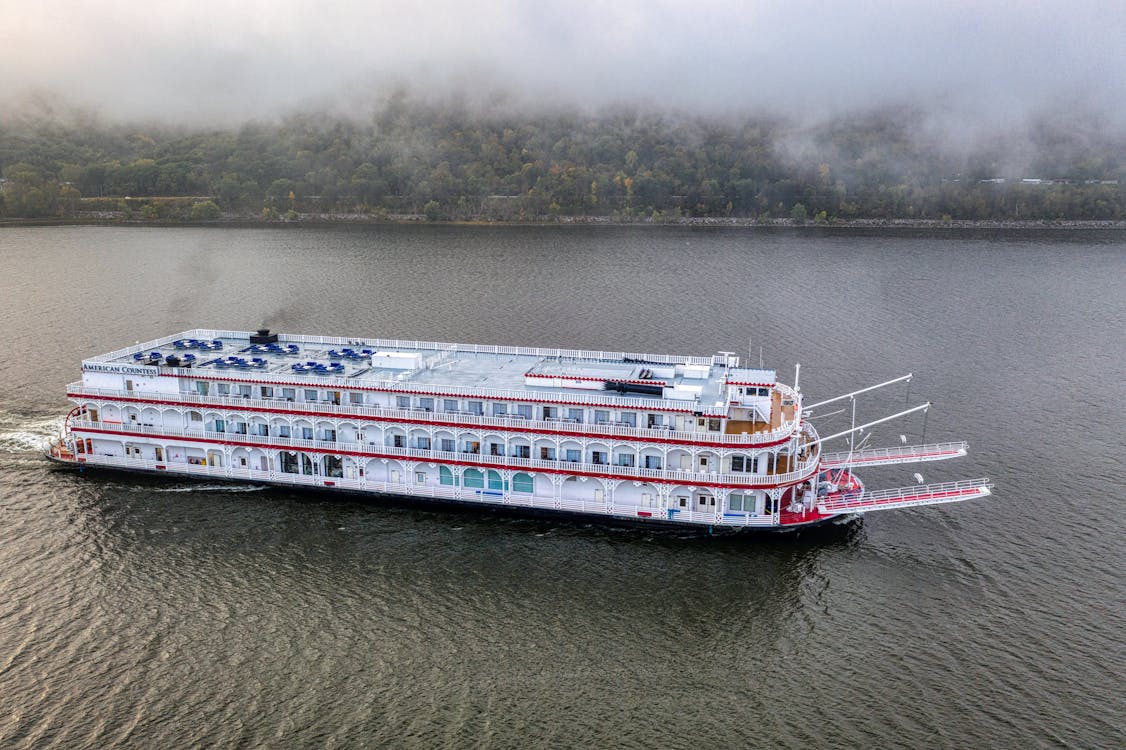 You don’t need to leave the US to do this. Mississippi River cruises stop in New Orleans, Memphis, Natchez, and Vicksburg, a journey through American music, food, and history that holds up against any European equivalent. The Columbia and Snake Rivers in the Pacific Northwest offer dramatic scenery and Lewis and Clark history in equal measure. Domestic river cruises run 7-14 nights. Prices vary by operator and vessel class.
What’s Usually Included
River cruise pricing varies, but most mid-range to premium itineraries bundle:
- All accommodation on board
- Meals (typically breakfast and dinner, sometimes all three)
- Guided shore excursions at each stop
- Local transport between ship and sites
- Onboard entertainment and lectures
- Port taxes and fees
What’s commonly excluded: flights to/from the embarkation city, travel insurance, premium drinks packages, and optional excursion upgrades. Always calculate the real total, not just the headline price.
Is a River Cruise Right for You?
River cruising suits travelers who want to cover serious cultural ground without the logistical churn of self-planned multi-city travel. It works particularly well if you’re:
- Traveling as a couple or with a small group
- Interested in history, food, and architecture rather than adventure activities
- Done with unpacking and repacking at every hotel
- Traveling with older family members who’d find active touring physically demanding
It’s a weaker fit if you want complete itinerary flexibility, prefer to discover places independently, or are on a tight budget. Walking tours or overland formats might serve you better.
Frequently Asked Questions
How much does a river cruise cost?
What’s the best river cruise for first-timers?
The Nile (Egypt) and Danube (Central Europe) are the most popular first choices. The Nile offers unmatched historical density; the Danube combines iconic cities with scenic countryside. Both have frequent departures and well-established operator networks.
How many passengers are on a river cruise ship?
Most river cruise vessels carry 100-180 passengers. Some boutique ships carry fewer than 50. This is significantly smaller than ocean liners (5,000-6,000 passengers) and creates a more personal, relaxed atmosphere.
When is the best time to book a river cruise?
Book 4-6 months ahead for peak season (spring and autumn in Europe, October-April for the Nile). Last-minute deals exist but reduce your choice of itinerary and cabin tier. Destination-specific booking windows vary.
Are river cruises good for older travelers?
Yes. The format suits older travelers well, no heavy walking requirements, stable vessel underfoot, comfortable cabins, onboard medical support on most ships, and guided excursions that manage logistics. Many operators design with accessibility in mind.
Final Thoughts
River cruising is one of the few travel formats that actually gets easier the longer you’re on it. Day one feels like a novelty. Day four you realize you haven’t packed a bag, navigated a train station, or googled “restaurants near me” all week. That’s why the growth number isn’t a blip. Once travelers try it, a meaningful share never go back to the multi-hotel shuffle. Pick a route that matches what you want to see, book early, and let the ship do the rest.