
Hemingways Nairobi
Nairobi
View deal on Hotels.com →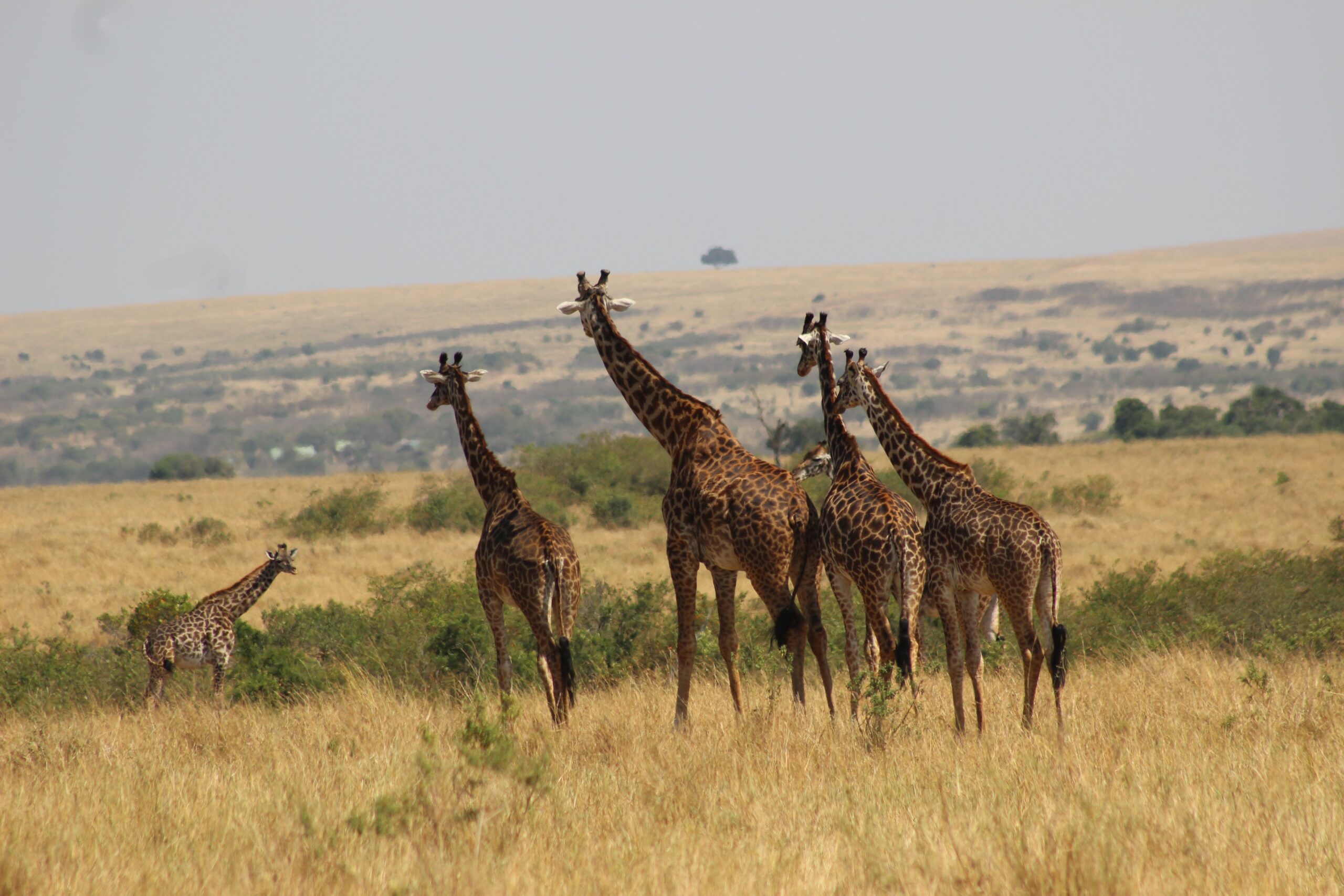
Kenya is classic safari country with a strong coastal finish. Search the Maasai Mara's grasslands, watch elephants beneath Kilimanjaro in Amboseli, and relax on the white sands of Diani Beach. Conservancies, cultural visits, Great Rift Valley viewpoints, birdlife, dhow cruises, and Indian Ocean breezes make each stage memorable in a different way.
Nairobi
View deal on Hotels.com →
Nairobi
View deal on Hotels.com →
Nairobi
View deal on Hotels.com →
Nairobi
View deal on Hotels.com →
Syokimau
View deal on Hotels.com →
Nairobi
View deal on Hotels.com →
Nairobi
View deal on Hotels.com →
Nairobi
View deal on Hotels.com →See all hotels in Kenya on Hotels.com →
ToursZoom may earn a commission from bookings made through these links, at no extra cost to you.
July to October is peak season — Great Migration river crossings and peak predator activity, alongside the highest crowds and prices. January to February offers clear Kilimanjaro views, calving-season predator action, lower prices and fewer vehicles. June and October are excellent shoulder months.
Most non-African nationalities need a Kenya Electronic Travel Authorisation (eTA) from the official portal, etakenya.go.ke. The official fee is $30 plus a small card-processing surcharge. Standard processing is 72 hours — apply at least a week before travel. Every traveller, including infants, needs their own eTA.
A $100 multiple-entry visa valid for 90 days that covers Kenya, Uganda and Rwanda on a single permit. It does NOT cover Tanzania. Apply through the immigration portal of whichever country you enter first. It's useful for travellers combining a Kenya safari with Uganda or Rwanda gorilla trekking.
Yellow fever vaccination is required if you arrive from a yellow-fever-risk country, and recommended otherwise. Routine vaccines to confirm: hepatitis A and B, typhoid and tetanus. Consult a travel-medicine clinic 4–6 weeks before departure for personalised advice.
Malaria is present across virtually all Kenyan safari regions, including the Masai Mara, Amboseli and Tsavo, so antimalarial medication is strongly recommended. Use DEET repellent at dawn and dusk and sleep under mosquito nets where provided. A travel clinic will advise on the right prophylaxis for you.
Three days is the practical minimum (one park, two nights). Five days covers two parks comfortably. Seven days is the sweet spot for migration trips. Ten or more days lets you combine three parks or add a Diani Beach coastal extension.
For peak season (July–October), aim for 9–12 months ahead — the best conservancy camps sell out for August by the previous October. For low season (January–June, November–December), 4–6 months is generally sufficient.
Lightweight neutral-coloured clothing (avoid black, white and bright colours), layered for cool mornings and hot midday. Bring closed-toe shoes, a wide-brimmed hat, sunglasses, sunscreen, DEET repellent, binoculars, and a soft-sided bag for bush flights (typically a 15 kg limit). Don't forget travel documents and any prescriptions.
Kenya is generally safe within national parks, conservancies and standard tourist circuits. Follow your guide's instructions and avoid isolated areas after dark. Nairobi and Mombasa call for normal big-city precautions — keep valuables discreet and avoid walking alone at night.
The wildebeest herds typically reach the Masai Mara around July and stay through October, with the iconic river crossings concentrated between late July and mid-September. No crossing can be guaranteed — the herds move on instinct. Positioning in the northern Mara during this window gives the best odds.
A national reserve is open to all licensed vehicles, requires staying on designated tracks, and prohibits night drives and walking safaris, with no cap on vehicles at a sighting. Private conservancies allow off-road driving, night drives and walking safaris, and enforce vehicle limits (typically 3–5 per sighting) year-round.
As a planning guide, a 7-night quality conservancy itinerary with light-aircraft transfers runs roughly $2,800–$4,500 per person in low season and $4,500–$9,000 in peak. Flagship luxury can reach $9,000–$14,000 per peak week. Always confirm whether park and conservancy fees are included before comparing.
ToursZoom is a booking intermediary that connects travellers with independent tour operators. ToursZoom does not operate, conduct, or supervise any tours. All tours are provided by third-party operators who are solely responsible for the travel experience, safety, and services delivered.