
Coccobello Zanzibar
Nungwi
View deal on Hotels.com →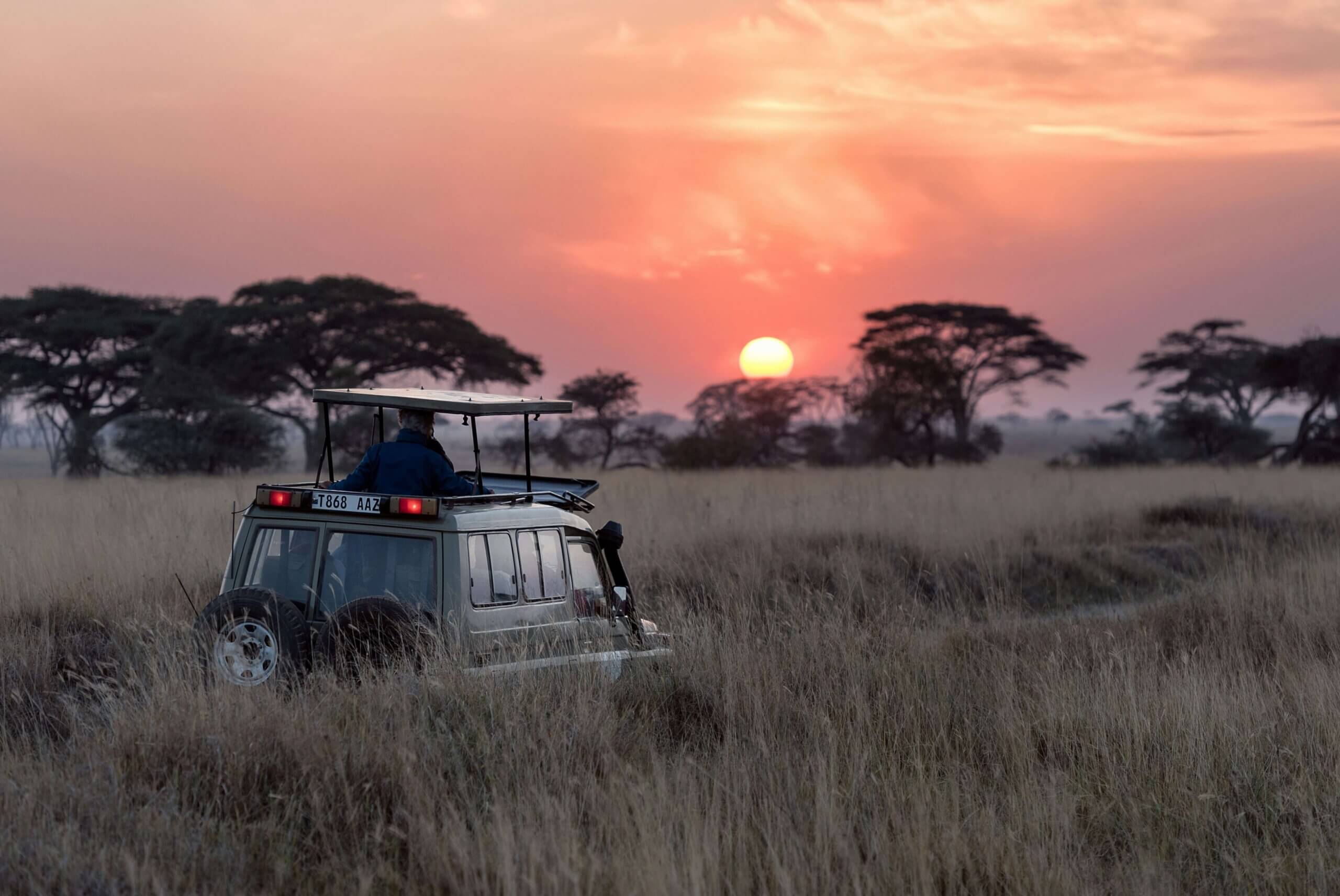
Tanzania is a dream for travelers drawn to wildlife and open horizons. Watch the Serengeti come alive, descend into Ngorongoro Crater, then trade safari dust for the beaches and spice lanes of Zanzibar. Great migration routes, Maasai culture, crater lakes, Indian Ocean water, and warm island evenings make the journey feel beautifully balanced.
Nungwi
View deal on Hotels.com →
Zanzibar Town
View deal on Hotels.com →
Kizimkazi
View deal on Hotels.com →
Bwejuu
View deal on Hotels.com →
Bwejuu
View deal on Hotels.com →
Nungwi
View deal on Hotels.com →
Matemwe
View deal on Hotels.com →
Kendwa
View deal on Hotels.com →See all hotels in Tanzania on Hotels.com →
ToursZoom may earn a commission from bookings made through these links, at no extra cost to you.
Most nationalities need a tourist visa. Apply online via the official e-Visa portal (visa.immigration.go.tz) at least two to four weeks ahead, or get one on arrival at Kilimanjaro (JRO), Dar es Salaam (DAR) or Zanzibar (ZNZ). Most travellers pay $50; US citizens pay $100 for a multiple-entry visa. Passport valid six months.
A yellow fever certificate is required only if you arrive from — or transit more than 12 hours through — a yellow-fever-endemic country, which includes arriving overland from Kenya. Travelling direct from the US, UK or Europe, it is not required, though it is often recommended. Carry your yellow card.
Yes — Tanzania is malaria-endemic across the safari parks, Arusha, Dar es Salaam and Zanzibar, year-round. Antimalarial medication is strongly advised for everyone; use DEET repellent and cover up at dusk. See a travel clinic four to six weeks before departure.
The dry season (June–October) is peak for wildlife, with animals at water sources and the Great Migration river crossings in the northern Serengeti from July to September. January–February is calving season; the green season (March–May, November) is lush, cheaper and quieter.
Tanzania is one of Africa's safest safari destinations; the parks and Zanzibar are very safe and you are with a guide for most of the trip. Take standard city precautions in Arusha and Dar es Salaam and keep valuables secure.
Four days is the practical minimum (Ngorongoro Crater plus either Tarangire or the Serengeti). Seven days is the sweet spot for the full Northern Circuit without rushing; ten days lets you add a Zanzibar beach finish or go deeper into the parks.
Yes — one Tanzania visa covers both the mainland and Zanzibar, though you will pass a local immigration check on arrival. Note that Zanzibar now requires mandatory travel insurance bought from the national insurer. Three nights is a good minimum; five to six for snorkelling and Stone Town.
Beyond yellow fever (which is conditional on your route), travel clinics commonly recommend hepatitis A and B, typhoid, tetanus and sometimes meningitis or cholera, plus rabies if you plan walking safaris. Confirm your routine vaccines too, and see a clinic six to eight weeks out.
Neutral-coloured clothing (khaki, olive, tan — not white, which shows dust, or bright colours that disturb wildlife), long sleeves and a warm fleece for chilly dawn drives, closed walking shoes, a brimmed hat, high-SPF sunscreen, DEET repellent, binoculars and a zoom-capable camera.
It is strongly recommended, and Zanzibar legally requires it on arrival. Medical facilities are limited in remote areas and an air evacuation can cost $50,000 or more, so choose a policy covering medical evacuation, trip cancellation and safari or adventure activities.
Both are world-class. Tanzania has the vast Serengeti and the Ngorongoro Crater, hosts the migration year-round across different regions, and tends to be less crowded but slightly pricier. Kenya's Masai Mara is more accessible and pairs well with a beach add-on.
For the peak season (July–October), the best camps fill three to six months ahead, so book early — especially if you want to catch a Great Migration river-crossing window. Shoulder-season trips are more flexible.
ToursZoom is a booking intermediary that connects travellers with independent tour operators. ToursZoom does not operate, conduct, or supervise any tours. All tours are provided by third-party operators who are solely responsible for the travel experience, safety, and services delivered.