
Home Hotel
Tirana
View deal on Hotels.com →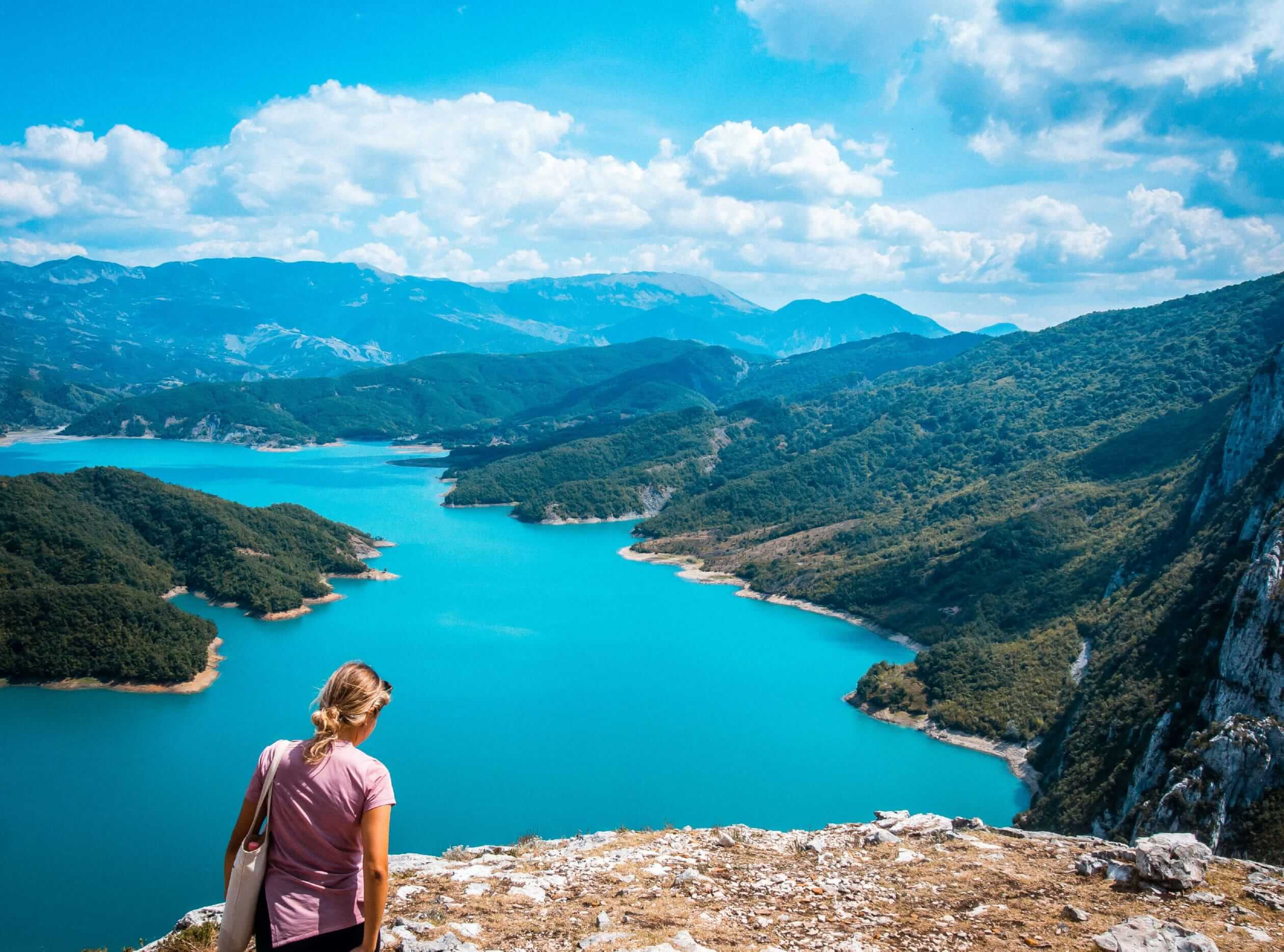
Albania is one of Europe's most rewarding surprises. Wander Berat's white Ottoman houses, explore the ancient layers of Butrint National Park, and follow the Albanian Riviera to clear coves and mountain-backed beaches. Castles, cafe squares, rugged passes, lake towns, and generous local hospitality make the country feel fresh, scenic, and refreshingly unhurried.
Tirana
View deal on Hotels.com →
Tirana
View deal on Hotels.com →
Tirana
View deal on Hotels.com →
Tirana
View deal on Hotels.com →
Tirana
View deal on Hotels.com →
Tirana
View deal on Hotels.com →
Tirana
View deal on Hotels.com →
Tirana
View deal on Hotels.com →See all hotels in Albania on Hotels.com →
ToursZoom may earn a commission from bookings made through these links, at no extra cost to you.
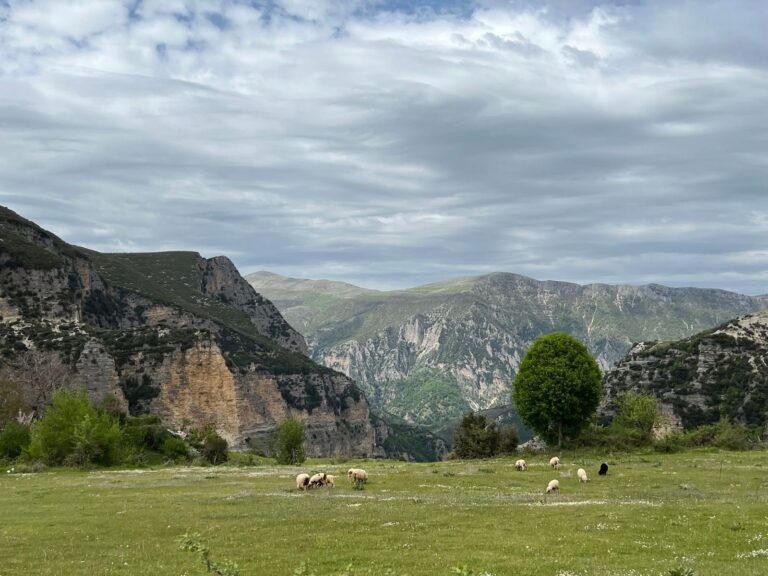
Albania is safe for most tourists in 2026. Low violent crime, EU candidate status, NATO member since 2009. Real risks: traffic and…
Read guide →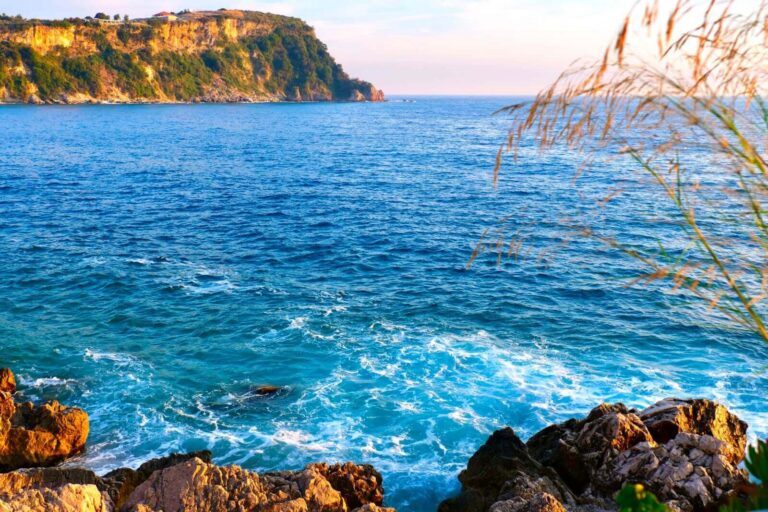
Discover Albania before everyone else. From the stunning Riviera beaches and UNESCO cities of Berat and Gjirokaster to the alpine Theth-Valbona trek,…
Read guide →Most travellers do not. Nationals of over 80 countries, including the UK, EU, Canada and Australia, may enter visa-free for up to 90 days within any 180-day period, while US citizens get a generous stay of up to one year. Your passport should be valid for at least three months beyond your departure date, and entry rules can change at short notice, so confirm with the nearest Albanian embassy before booking.
Late spring (May to June) and autumn (September to October) are the sweet spot, with mild temperatures, swimmable seas into September and far fewer crowds than peak summer. July and August bring the warmest weather but the beaches of Ksamil and Sarandë become very busy. Spring and autumn are also kinder for hiking in the Accursed Mountains.
Yes. Despite an outdated reputation, Albania is one of the safer countries in the Balkans, and most government advisories rate it as requiring only normal security precautions. Petty theft in crowded areas is the main risk, and many solo female travellers report feeling comfortable. Watch for landmine warning signs near the north-eastern Kosovo border, and be cautious driving at night on unlit rural roads.
The currency is the Albanian lek (ALL). Albania is still largely a cash society outside the major cities, so carry plenty of lek, and bring some euros as a backup since they are widely accepted in tourist areas (though you will usually get a poorer rate paying in euros). ATMs are common but often charge a steep fee of around €6 per withdrawal and dispense large notes.
A weekend covers Tirana's food and sights, or a quick hop to the Riviera via Corfu. A week lets you combine Tirana, a coastal beach and an inland UNESCO town such as Berat or Gjirokastër on a relaxed road trip. Allow 10 days or more if you want to hike the Theth-to-Valbonë trail or rely on Albania's slow, unreliable public buses.
Renting a car gives the most freedom, especially for the southern coast, though local rental firms often require cash payment. Shared minibuses (furgon) and inter-city buses connect most towns cheaply but run on loose, inconsistent timetables. There are no domestic flights and rail is very limited, so plan inter-city journeys during daylight hours.
Pack light, breathable summer clothing and swimwear for the coast from late spring through autumn, plus a light layer for cooler evenings. Bring sturdy footwear if you plan to hike, and modest cover-up clothing for visiting mosques and churches. Sun protection is essential in summer, when coastal temperatures regularly reach the low 30s°C.
Tipping is appreciated but not obligatory. In restaurants, rounding up or leaving around 10% for good service is the norm. Small tips for taxi drivers and hotel staff are welcome. Because card payments are rare outside cities, keep small lek notes handy for tipping.
Albanian (Shqip) is the official language. Younger Albanians, especially in Tirana and tourist areas, often speak good English and Italian is also widely understood. In rural areas English is less common, so a few basic Albanian phrases and a translation app are useful.
Explore Tirana's colourful, fast-changing capital, then head south to the turquoise beaches of the Albanian Riviera around Ksamil and Sarandë. Don't miss the UNESCO-listed Ottoman towns of Berat (the "city of a thousand windows") and Gjirokastër, and the spectacular Theth-to-Valbonë hike in the Accursed Mountains.
Visitors should carry an International Driving Permit alongside their home licence; the 1968 IDP is the version now recognised. Roads have improved but mountain routes can be narrow, unlit and shared with pedestrians and animals, so avoid driving after dark. Confirm what your rental insurance actually covers, as local-firm cover can be limited.
Yes, Albania remains one of Europe's most affordable destinations. As a rough guide, a coffee costs around 100–200 lek, a casual dinner for two about 2,000 lek, and a basic room for two roughly 5,000 lek per night. Carrying cash is essential since many smaller businesses do not accept cards.
ToursZoom is a booking intermediary that connects travellers with independent tour operators. ToursZoom does not operate, conduct, or supervise any tours. All tours are provided by third-party operators who are solely responsible for the travel experience, safety, and services delivered.