
Reykjavik Guesthouse
Reykjavik
View deal on Hotels.com →
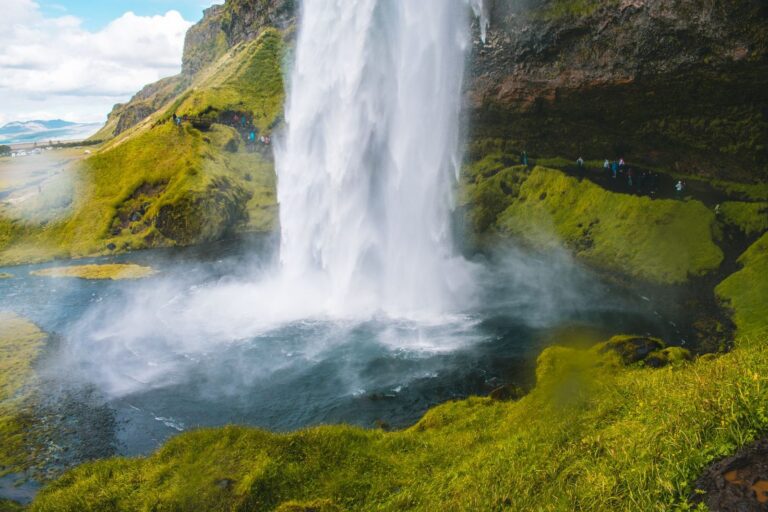
Iceland feels elemental from the moment the landscape opens. Soak in the Blue Lagoon, stand where continents meet at Thingvellir National Park, and watch ice drift across Jokulsarlon Glacier Lagoon. Waterfalls, black-sand beaches, lava fields, northern lights, hot springs, and empty roads give the journey a striking sense of otherworldly calm.
Reykjavik
View deal on Hotels.com →
Reykjavik
View deal on Hotels.com →
Reykjavik
View deal on Hotels.com →
Reykjavik
View deal on Hotels.com →
Reykjavik
View deal on Hotels.com →
Reykjavik
View deal on Hotels.com →
Reykjavik
View deal on Hotels.com →
Reykjavik
View deal on Hotels.com →See all hotels in Iceland on Hotels.com →
ToursZoom may earn a commission from bookings made through these links, at no extra cost to you.
Iceland is part of the Schengen Area, so travellers from the US, UK, Canada, the EU and many other countries do not need a visa for stays of up to 90 days. Carry a passport valid for at least six months. The EU's ETIAS pre-authorisation is rolling out for visa-exempt visitors, so check before you travel.
It is a year-round destination — the best time depends on your goal. Summer (June–August) brings the midnight sun, open Highland roads and the full Ring Road; winter (November–March) is for the Northern Lights, ice caves and lower prices; May and September are quieter shoulder months with a good balance.
From roughly September to early April, when nights are long and dark, with the best chances in October and February–March. You need dark, clear skies — drive away from Reykjavík's light pollution and check the aurora forecast at vedur.is. Sightings are never guaranteed.
Five to seven days covers Reykjavík, the Golden Circle and the South Coast. To drive the full Ring Road (Route 1, about 1,332 km) at a comfortable pace, plan 10–14 days; the Westfjords and Highlands each deserve extra time.
A rental car gives the most freedom, and the Ring Road is well-marked and drivable in a standard vehicle in summer. For winter driving or Highland F-roads, a 4x4 is recommended or essential. If you'd rather not drive, guided tours from Reykjavík cover all the major sights.
Barely — Iceland is almost entirely cashless. Cards work everywhere, including remote gas stations and farm cafés, but your card needs a working PIN for self-service fuel pumps. Keep only a small amount of ISK as an emergency buffer.
Layer for weather that can change within an hour: a waterproof, windproof outer shell, a warm fleece or down mid-layer, thermal base layers, sturdy waterproof boots, a hat and gloves — plus swimwear for the geothermal pools and sunscreen year-round.
Yes, Iceland is pricey. Save by booking cars and accommodation early, shopping at supermarkets like Bónus or Krónan and cooking some meals, refilling a bottle (the tap water is excellent), and enjoying the many free natural attractions.
Yes — the Blue Lagoon uses timed-entry tickets and regularly sells out, especially in summer and over holidays; walk-ins are not accepted. Book ahead, or consider the Sky Lagoon nearer Reykjavík or one of many cheaper local hot springs.
For a short trip, focus on Reykjavík, the Golden Circle (Þingvellir, Geysir and Gullfoss) and the South Coast. With a week or more, drive the Ring Road; add the Snæfellsnes peninsula if you have a spare day or two.
Yes — Iceland sits where Arctic and Atlantic air masses meet, so you can get sun, rain, wind and even snow in a single day, even in summer. Check road conditions daily at road.is and build slack into your itinerary for weather delays.
Beyond the Golden Circle and the Ring Road: a geothermal soak (the Blue Lagoon or Sky Lagoon), the Jökulsárlón glacier lagoon, a glacier hike or ice-cave tour, whale watching, and snorkelling the crystal-clear Silfra fissure.
ToursZoom is a booking intermediary that connects travellers with independent tour operators. ToursZoom does not operate, conduct, or supervise any tours. All tours are provided by third-party operators who are solely responsible for the travel experience, safety, and services delivered.