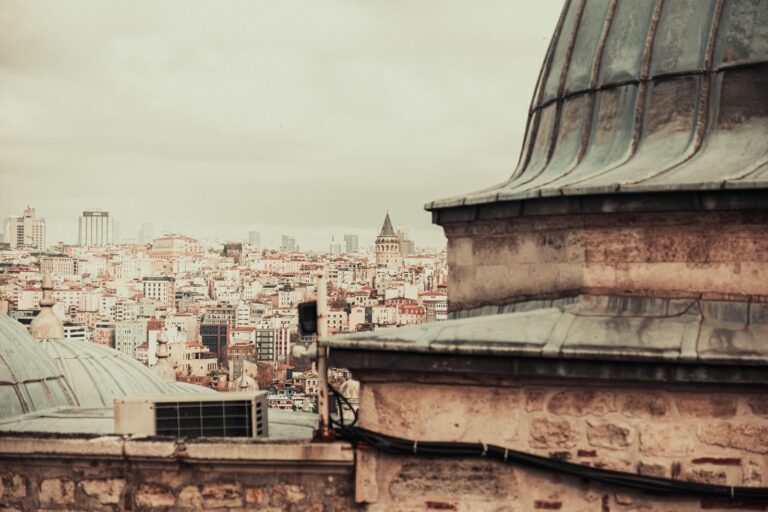

Istanbul Houses
Tuzla
View deal on Hotels.com →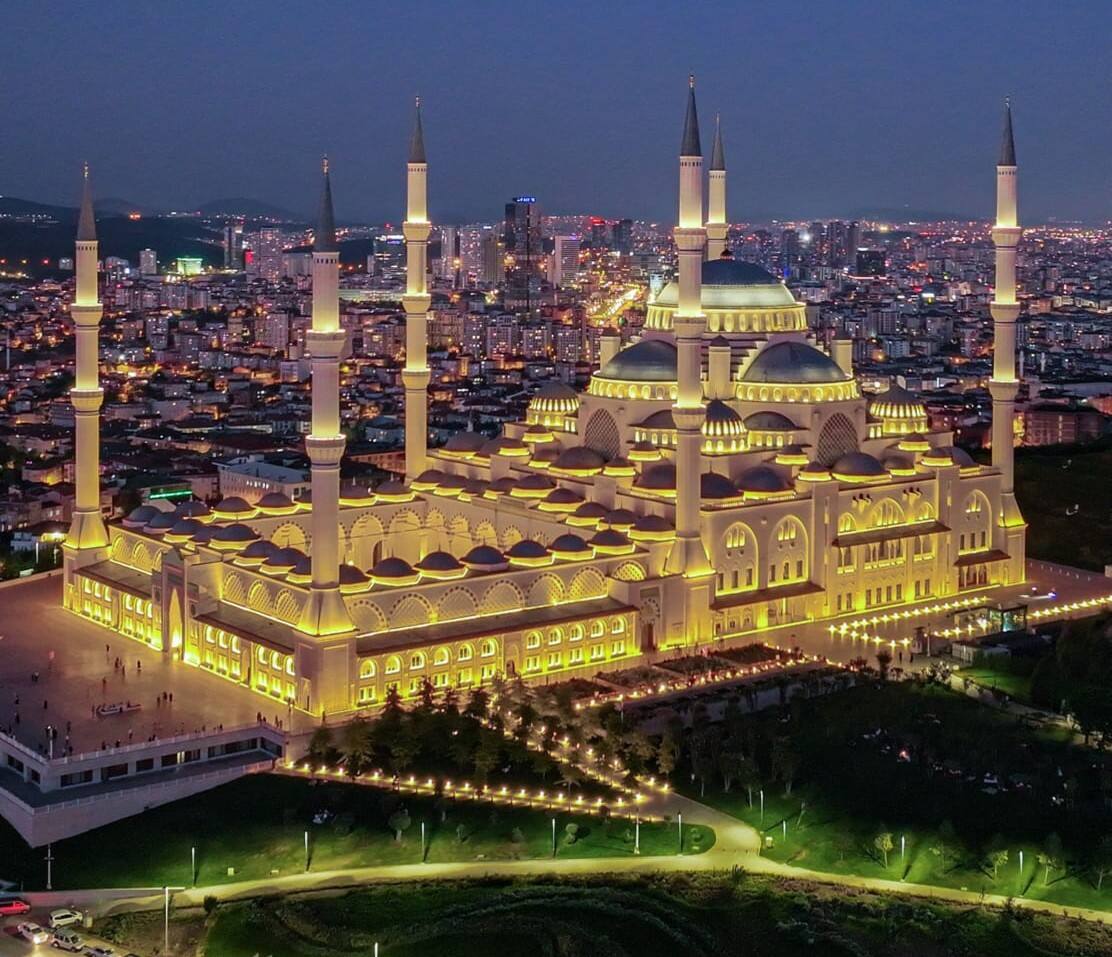
Turkey sits at a crossroads of empires, landscapes, and flavors. Step inside Hagia Sophia, drift above Cappadocia's valleys by balloon, and walk the white terraces of Pamukkale. Bazaars, coastlines, ancient ruins, tea gardens, cave hotels, and generous meals create a journey that moves beautifully between Europe, Asia, and the Mediterranean.
Tuzla
View deal on Hotels.com →
Istanbul
View deal on Hotels.com →
Istanbul
View deal on Hotels.com →
Istanbul
View deal on Hotels.com →
Istanbul
View deal on Hotels.com →
Istanbul
View deal on Hotels.com →
Istanbul
View deal on Hotels.com →
Istanbul
View deal on Hotels.com →See all hotels in Turkey on Hotels.com →
ToursZoom may earn a commission from bookings made through these links, at no extra cost to you.
It depends on your nationality. Many travellers need an e-Visa from the official portal evisa.gov.tr (a few minutes online, around $50), while others — including US tourist-passport holders under recent rules — can enter visa-free for up to 90 days. Always check the official site; your passport should be valid for at least six months.
Spring (April–June) and autumn (September–early November) are the strongest windows: mild weather, wildflowers or harvest light, and thinner crowds at Ephesus, Cappadocia and Pamukkale. Summer is hot inland but lively on the coast; winter is quiet and atmospheric.
The major tourist areas — Istanbul, Cappadocia and the coast — are generally very safe and well-policed. Watch for petty theft in crowded spots like the Grand Bazaar and on public transport, and take normal big-city precautions.
Eight to twelve days suits a first visit — roughly three nights in Istanbul, two in Cappadocia, plus Pamukkale or a stretch of coast. Turkey is bigger than it looks on a map, so fly between distant regions rather than driving everything.
The Turkish lira (₺). Cards are widely accepted in cities and tourist areas, but carry some lira for markets, small eateries, taxis and tips. ATMs are everywhere, though they can charge fees; some shops in tourist zones quote prices in euros.
For most visitors it is the highlight — a sunrise balloon drifting over the fairy chimneys and valleys. Book early, as slots fill weeks ahead, and allow a backup morning: flights are weather-dependent and cancellations are common.
Two to three nights. Beyond the sunrise balloon, you can hike Love and Rose Valleys, explore the Derinkuyu underground city, visit cave churches and stay in a cave hotel.
Everyday dress is relaxed in cities and resorts. At mosques, remove your shoes, cover shoulders and knees, and women cover their hair (scarves are often provided at the entrance). Comfortable shoes and a scarf or shawl cover most situations.
At least three nights. That covers the headline sights plus time for the neighbourhoods, a Bosphorus ferry at sunset and ferry rides between the European and Asian sides of the city.
Yes — a traditional hammam, with its steam, scrub and foam wash in a historic bathhouse, is a memorable cultural experience, especially in Istanbul. Choose reputable, well-reviewed bathhouses and agree the service and price before you start.
English is commonly spoken in tourist areas, hotels and on guided tours, and less so off the beaten track. A few words of Turkish — and saying yes to tea — go a long way.
Comfortable walking shoes, breathable layers for variable weather, a scarf or shawl (handy for mosques), a universal adapter and a zipped day bag. Add strong sun protection in summer and a warm layer for cool evenings.
ToursZoom is a booking intermediary that connects travellers with independent tour operators. ToursZoom does not operate, conduct, or supervise any tours. All tours are provided by third-party operators who are solely responsible for the travel experience, safety, and services delivered.