
Some links in this article may earn ToursZoom a commission at no extra cost to you — see our affiliate disclosure.
While everyone argues over Dubrovnik and Santorini, seasoned travelers have quietly shifted their attention south. Albania, small, Balkan, and largely off the radar for most Western visitors, is one of those destinations that makes you feel like you discovered something. Because you kind of did. Albania tours are booking out faster every year and the window is still open.
Lonely Planet named it a top emerging destination. So did Condé Nast Traveler and Travel + Leisure. The Albanian Ministry of Tourism recorded a 30% jump in international arrivals between 2023 and 2025. The window for arriving before it changes is still open, but it’s narrowing.
This guide covers everything: which destinations to prioritize, how to structure your days, what things actually cost (spoiler: less than you expect), and what to eat that you won’t find anywhere else in Europe.
Why Albania in 2026?
Three things set Albania apart right now, and they don’t often combine in the same destination.
The value is extraordinary. A full grilled fish dinner on a waterfront terrace in Saranda costs what a beer costs in Dubrovnik. That’s not an exaggeration.
The culture is genuinely different. Albanian hospitality follows the code of besa, a centuries-old principle of honor and protection toward guests. You feel it within hours of arriving. Strangers buy your coffee. Someone walks you to your destination when you ask for directions. It’s not performed for tourists. It’s just how it works.
The nature hasn’t been touched. From the turquoise Ionian coast to the glacier-carved peaks of the Albanian Alps, the country packs an extraordinary variety of landscape into an area smaller than Maryland. The European Environment Agency has flagged Albania as having some of the highest biodiversity density on the continent. Much of it is still genuinely wild.
Top Destinations in Albania
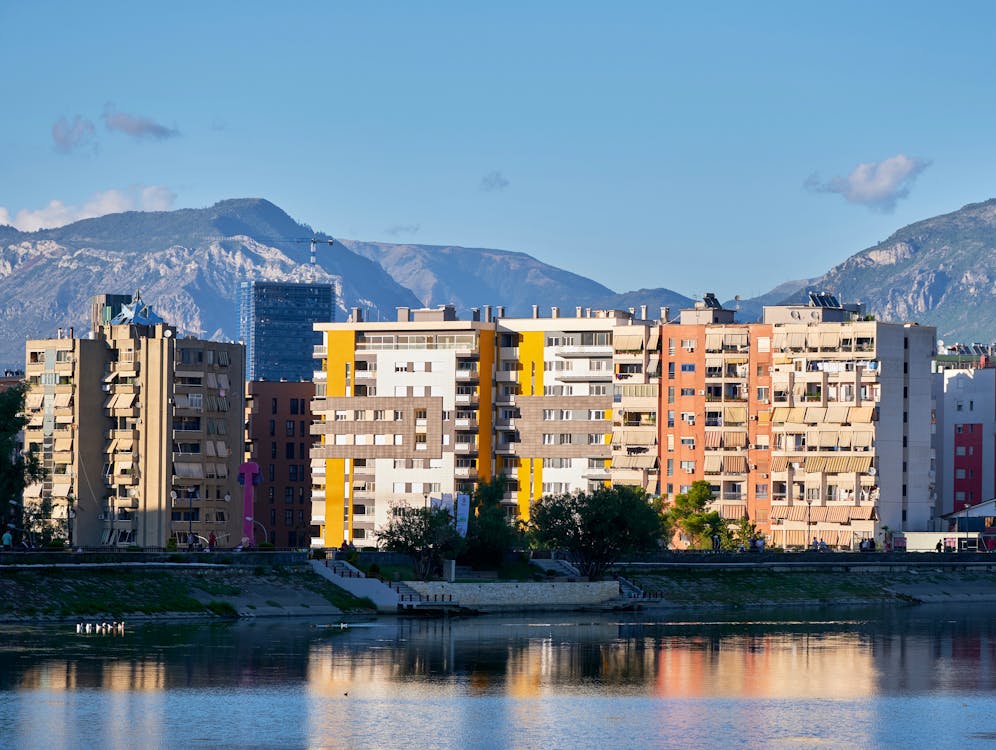
Tirana
Albania’s capital has reinvented itself. Former mayor Edi Rama, now prime minister, famously transformed the city’s communist-era housing blocks by painting them in vivid geometric patterns. It worked. Tirana is now one of the most energetic small capitals in Europe, with a thriving cafe scene, excellent nightlife, and museums that genuinely surprise you.
Don’t skip Bunk’Art, a massive Cold War bunker converted into an immersive history museum that documents Albania’s isolation under Hoxha’s regime better than any textbook does. The Block neighborhood, once reserved for the communist elite, is now Tirana’s social hub. Start here, then take a day trip outward.
The Albanian Riviera
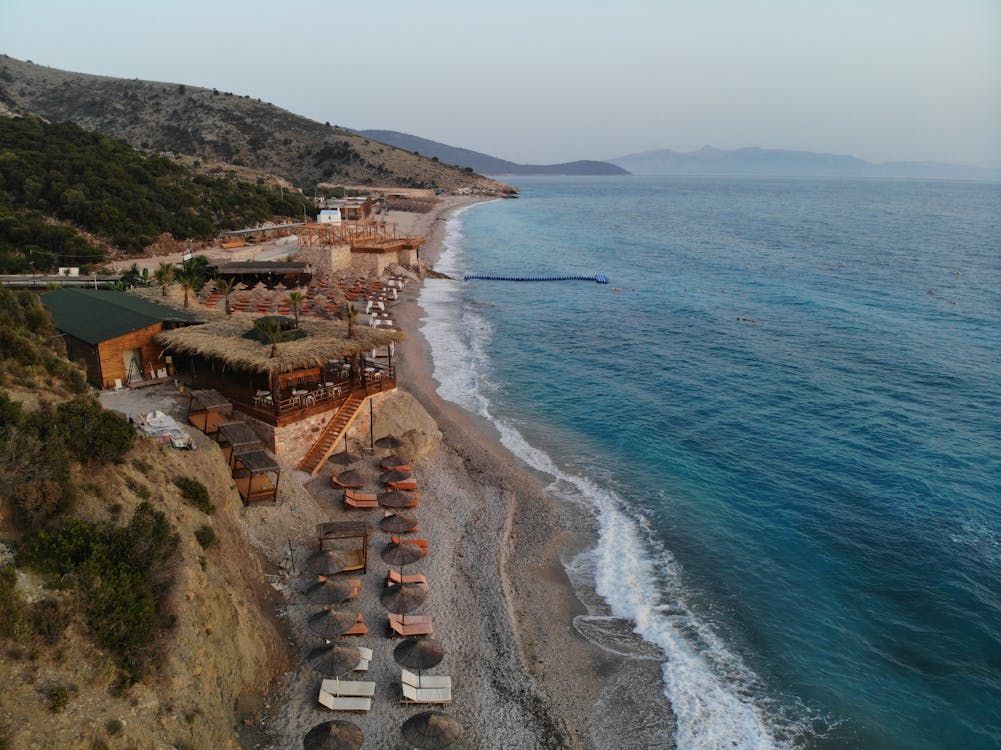
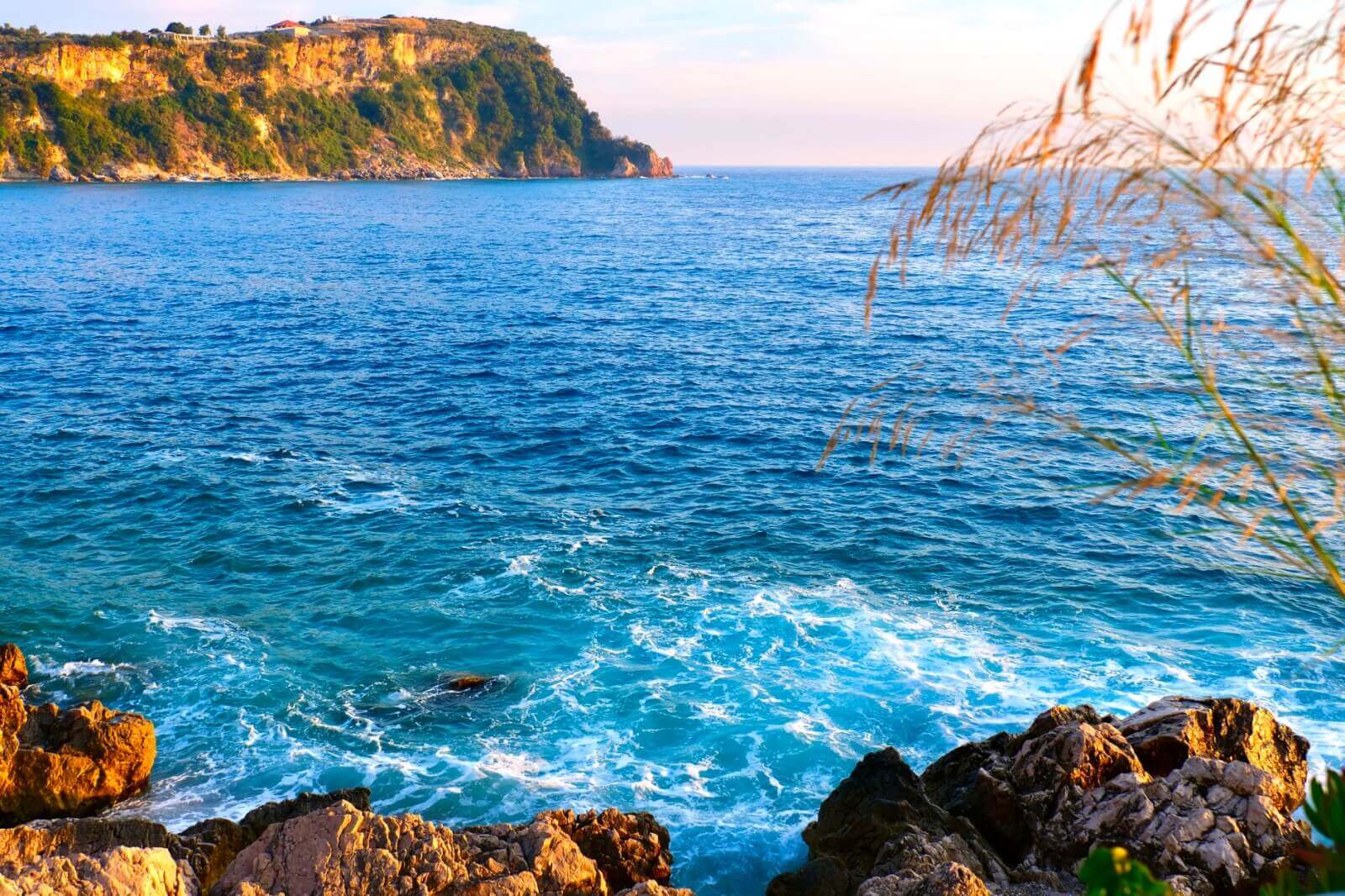
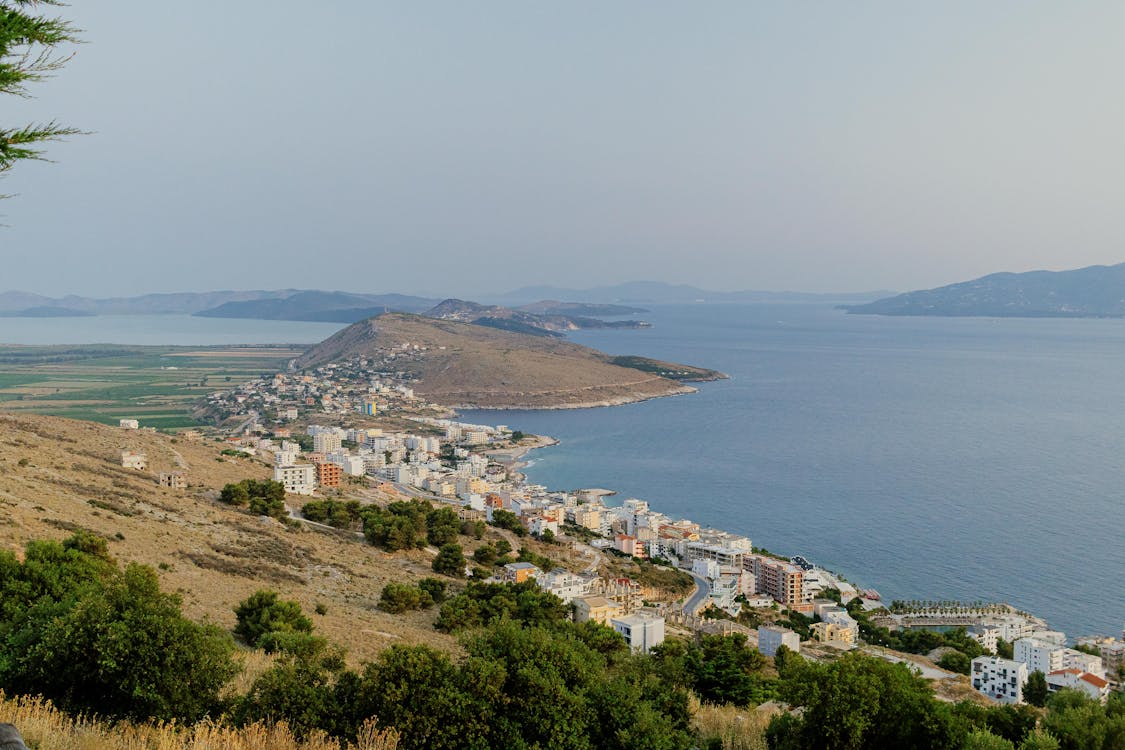
The stretch of Ionian coast from Vlora south to Saranda is what most people come for, and it doesn’t disappoint. Crystal water, dramatic cliffs, fishing villages that still function as fishing villages.
Ksamil gets the most attention. Three small islands sit a short swim from shore, the water so clear it looks like something was done to it digitally. Dhermi is quieter, with a beach called Gjipe that requires a 20-minute walk down a rocky trail and rewards you with near-total solitude. Himara has a hilltop old quarter that most visitors drive straight past. Saranda is the practical base: ferry access to Corfu (30 minutes), good restaurant options, and close to Butrint.
Berat, City of a Thousand Windows
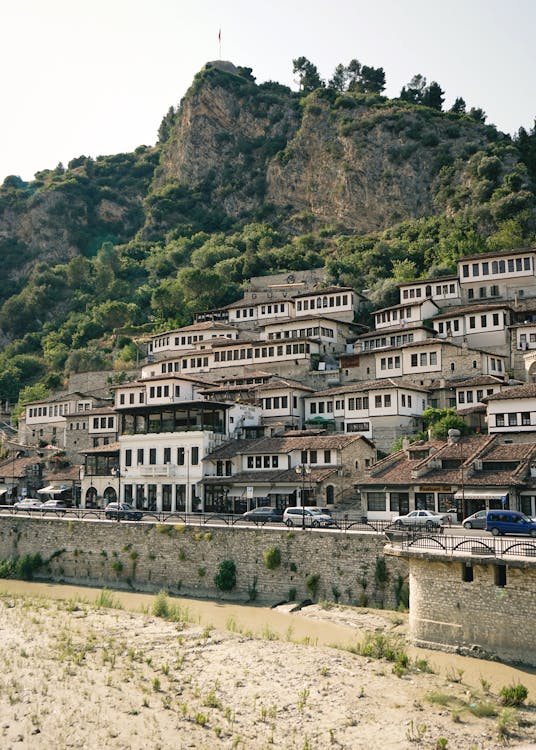
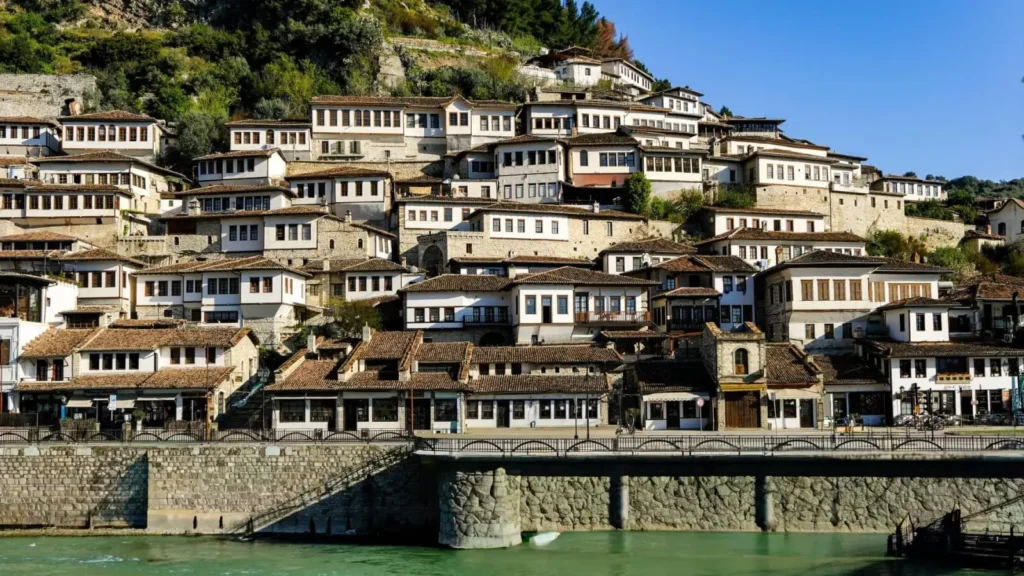
Berat is a UNESCO World Heritage Site and consistently the highlight that surprises visitors most. Its rows of white Ottoman houses, stacked up the hillside with unusually large windows facing each other across the Osum River, create a visual effect unlike anything else in the Balkans.
The castle is still inhabited. People live inside it, which means you walk through someone’s neighborhood to reach Byzantine churches, Ottoman mosques, and the Onufri Museum of medieval iconography. Onufri was a 16th-century Albanian painter whose icon technique was so advanced that art historians still debate how he achieved certain effects.
Many travelers who build a week-long Albania tour say Berat is the moment it clicked.
Gjirokaster
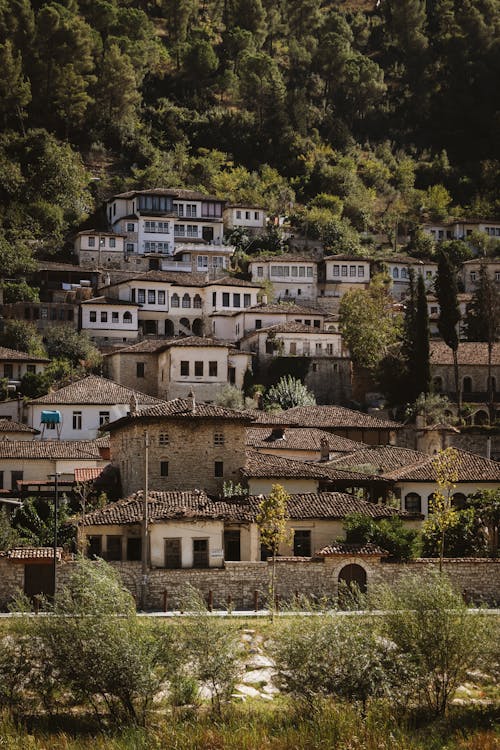
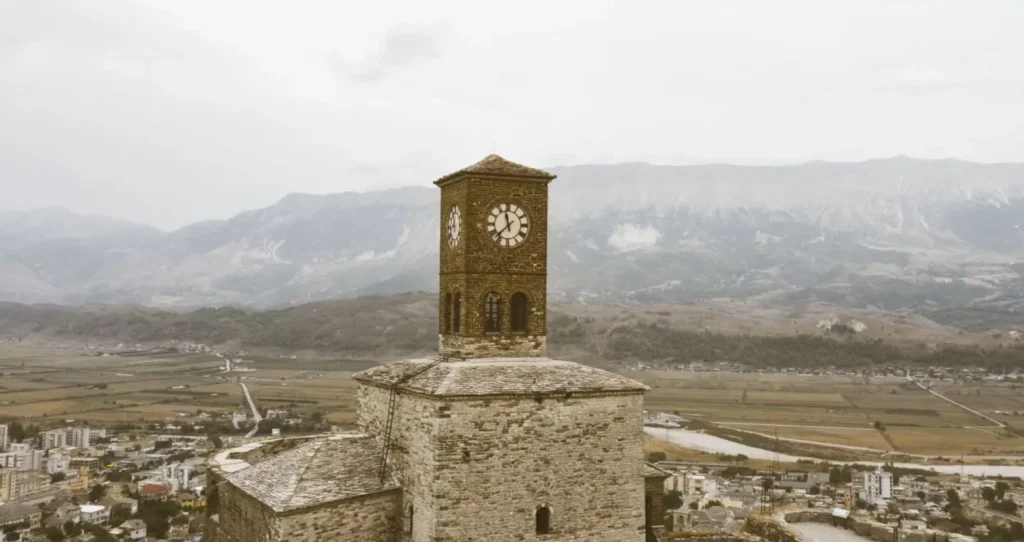
Another UNESCO World Heritage Site. Another city that makes you feel like you’ve stepped into something that shouldn’t still exist. Gjirokaster is built from gray stone into a steep mountainside, with tower houses, cobbled bazaar streets, and an imposing castle that contains, among other things, a captured American spy plane from 1957, displayed in the courtyard as a Cold War trophy.
The city is also the birthplace of Enver Hoxha, Albania’s communist dictator for 40 years. The Cold War tunnel beneath the castle is now a museum. The whole place is dense with history in a way that takes a good guide to unpack properly.
Berat and Gjirokaster are almost always paired on multi-day Albania tours: two UNESCO cities, two distinct characters, a few hours apart.
The Albanian Alps: Theth and Valbona
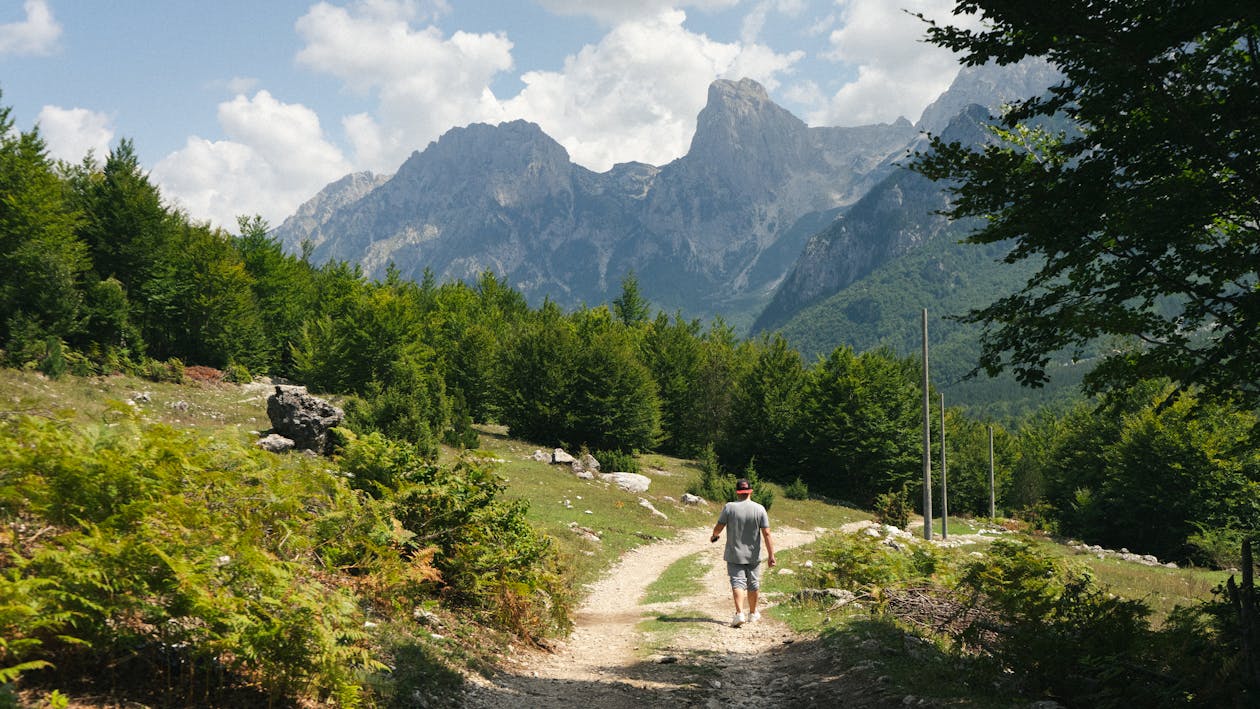
Most people come to Albania for the coast. The ones who make it to the Alps tend to talk about little else afterward.
The Theth-to-Valbona trail is a full-day mountain crossing, roughly 6 to 8 hours depending on pace, through some of the most dramatic alpine scenery in Europe. Limestone peaks. Deep gorges. Waterfalls. Shepherd huts that haven’t changed in a century. Theth village at the start is accessible only by a winding mountain road that requires either a confident driver or an operator who knows it. Valbona on the other side connects via ferry across Lake Koman, which is itself one of the most scenic boat journeys in the Balkans.
This isn’t a beginner hike. It doesn’t require technical climbing skills. It requires a full day, proper boots, and the will to start early.
Other Destinations Worth Knowing
Butrint National Park: Three UNESCO designations in one place. Greek, Roman, Byzantine, and Venetian layers stacked on a forested peninsula near Saranda. Historians call it the Pompeii of the Adriatic. The mosaics alone are worth the entrance fee.
The Blue Eye (Syri i Kalter): A natural spring where water surges from 50+ meters below at 6,000 liters per second, creating an impossibly blue pool. Twenty minutes off the main road between Gjirokaster and Saranda. Never skip it.
Lake Ohrid: Shared with North Macedonia. Albania’s side (around Pogradec) is quieter and less developed. Worth including on longer regional tours.
Albania Itineraries by Duration
5 Days: The Highlights
- Day 1: Tirana. Bunk’Art, the Block neighborhood, city center.
- Day 2: Drive to Berat. Castle, old quarter, Onufri Museum.
- Day 3: Transfer to the Riviera via the Llogara Pass (the drive itself is worth slowing down for). Afternoon at Dhermi.
- Day 4: Ksamil islands, or day trip to Butrint.
- Day 5: Saranda to Tirana, or ferry to Corfu for onward flights.
Five days is rushed but coherent. You’ll want more time.
7 Days: The Full Picture
Adds Gjirokaster, the Blue Eye, and a proper day on the Riviera. This is the itinerary most Albania operators recommend for first-timers. Enough time to feel the pace of each place without racing between them. Most Albania operators run their core tour at around 7 nights.
10 Days: Albania + North Macedonia
Day 7 crosses to Lake Ohrid’s Albanian side, then into Ohrid, North Macedonia. Day 8 explores Ohrid’s old town and lakeside monasteries. Days 9 to 10 allow for Bitola or St. Naum, with a return via Tirana or a flight out from Ohrid/Skopje. Exceptional value across both countries.
3 Days: Albanian Alps Trek
Tirana or Shkodra to Theth, then the Theth-Valbona crossing, then the Lake Koman ferry back. This works as a standalone short trip or as an add-on to a longer Albania tour. The logistics require an operator who knows the mountain roads. Don’t try to figure out the Theth approach independently on your first visit.
Albania Tour Costs: The Numbers
Source: Numbeo cost-of-living data, ToursZoom operator pricing, 2025 INSTAT tourism reports.
Budget travel in Albania feels abundant rather than restrictive, a distinction most European budget destinations can’t claim. Even at the mid-range level, you eat well, stay comfortably, and have money left over.
“I’ve been guiding in Albania for twelve years. I watch visitors arrive expecting it to be rough around the edges, and within a day their whole attitude changes. The food is better than they expected, the people are warmer, the scenery is more dramatic. Albania surprises everyone.”
— a Tirana-based tour operator
Best Time to Visit Albania
May to June and September to October are the best overall window. The Riviera is swimmable, hiking trails are fully open, cities are comfortable to walk, and prices haven’t climbed to peak summer levels. This is the window that consistently delivers the highest guest satisfaction.
July to August is peak beach season. Hot (30 to 35°C along the coast), busier, but still far less crowded than Croatia or Greek island equivalents. If beaches are the main goal, high summer works fine.
November to March is off-season. Some coastal towns go quiet, mountain passes may close. But Tirana, Berat, and Gjirokaster stay accessible and nearly tourist-free. Budget travelers willing to accept cooler weather get extraordinary value.
Albanian Alps trekking: The Theth-Valbona trail is only reliably passable June through September. Snow lingers on the high pass into early June most years.
Bottom line: late May through mid-October covers the full range of Albania experiences. For the best balance of weather, prices, and crowd levels, aim for June or September.
Albanian Food & Drink
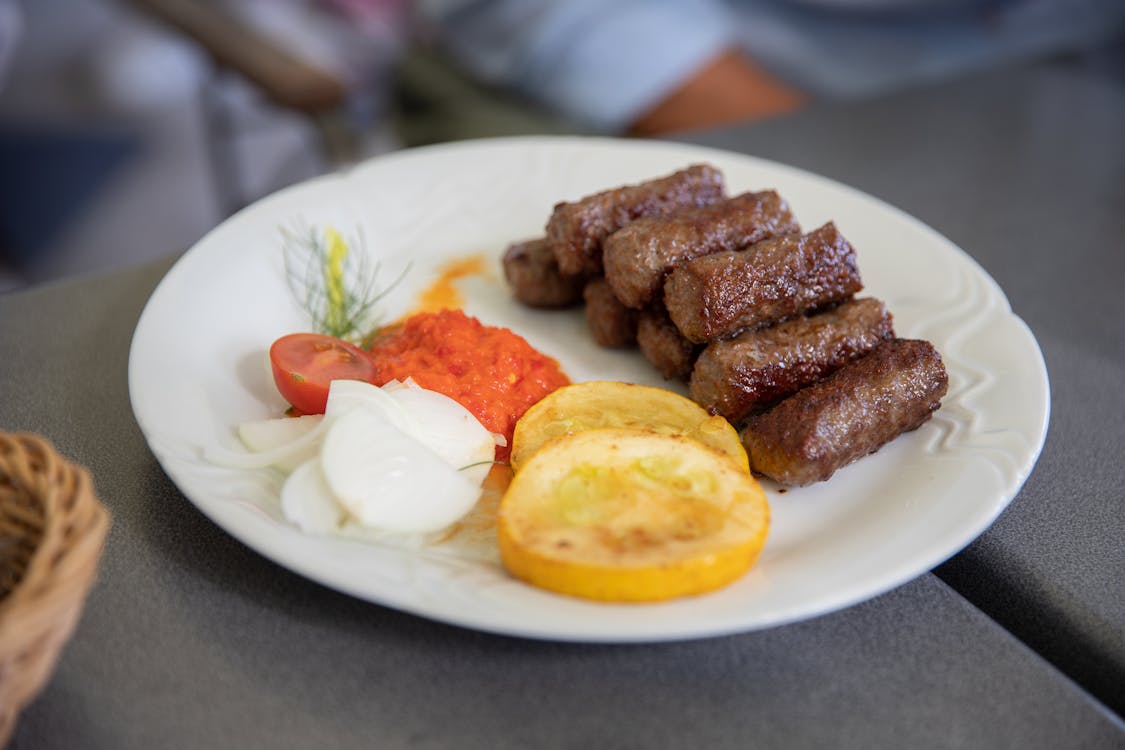
Albanian cuisine draws from Ottoman, Mediterranean, and Balkan traditions. Fresh ingredients. Slow preparation. Generous portions. It’s one of the country’s most underrated attractions.
What to order:
- Byrek: Flaky layered pastry with cheese, spinach, or meat. Albania’s national snack, found in every bakery, eaten at any hour. You will eat this every day and not get tired of it.
- Tave kosi: Lamb baked with yogurt and eggs. Rich, savory, completely unique to the region. Order it in Tirana or Berat.
- Fërgesë: Peppers, tomatoes, and cottage cheese baked in a clay pot. Sometimes with liver. Sounds modest, tastes extraordinary.
- Qofte: Seasoned meat patties grilled over charcoal with fresh salad. Every town has its own version.
- Riviera seafood: Grilled sea bream, octopus, fresh squid. A full fish dinner on the coast is remarkably good value.
What to drink:
- Raki: Grape or plum brandy served before meals, after meals, and during meals. Refusing a host’s raki is nearly impossible and generally inadvisable.
- Albanian wine: The country has developed serious wine regions around Berat and the Permet valley. Local varieties like Shesh i Bardhë and Kallmet are gaining international attention. Worth seeking out.
- Turkish-style coffee: Strong, thick, unfiltered. Every conversation in Albania starts over a cup.
Practical Tips
Visa: Citizens of the US, UK, EU, Canada, and Australia enter visa-free for up to 90 days. Just a valid passport.
Cash: Albania is still heavily cash-dependent outside Tirana. ATMs are widely available in towns, but carry Albanian Lek (ALL) when heading to villages, rural guesthouses, and smaller restaurants. Some Riviera operators accept euros. You’ll get a better rate paying in Lek.
Getting around: The furgon (minibus) network is cheap but runs on no schedule you can plan around. A rental car gives flexibility but mountain roads require confidence. Guided tours handle everything, which matters more here than in more established destinations, because the logistics of rural Albania are genuinely variable.
Language: Albanian (Shqip) is the official language. English is spoken by younger Albanians in Tirana and tourist areas. Learning a few phrases earns genuine goodwill. Faleminderit (thank you) and gëzuar (cheers) will get you a long way.
Is Albania safe? Yes. The Global Peace Index ranks Albania comparably to other Balkan nations. The US State Department puts it at the same risk level as France and Italy. Violent crime against tourists is extremely rare. The code of besa isn’t just cultural heritage. It actively shapes how locals treat visitors. Standard city precautions apply. Beyond that, Albania is one of the friendliest countries you’ll visit in Europe.
How to Choose an Albania Tour Operator
Albania’s tourism infrastructure is still developing. The gap between a well-organized tour and a poorly planned one is wider here than in France or Croatia. What to look for:
- Local operators or deep local partnerships: they know which roads are passable, which guesthouses cook well, and which beaches to visit before 9am.
- Specific Albania experience: a Riviera beach tour and an Alps trek require completely different expertise. Ask whether they’ve done your specific itinerary dozens of times, not just once.
- Small group sizes: Albania’s best experiences (narrow castle streets, family guesthouses, winding coastal roads) work better with 8 to 16 people than with a coach.
- Full inclusions list: some operators quote low headline prices and charge separately for meals, entrance fees, and transfers. Get everything in writing.
Frequently Asked Questions
How many days do you need to see Albania?
Five days covers Tirana, Berat, and the Riviera. Seven days adds Gjirokaster and Butrint at a comfortable pace. Ten days works for a full Albania plus North Macedonia combination.
Is Albania expensive to visit?
Do I need a visa for Albania?
Citizens of the US, UK, EU/EEA, Canada, and Australia enter visa-free for up to 90 days. A valid passport is the only requirement.
Is a guided tour or independent travel better in Albania?
Both work. Guided tours offer real advantages here: public transport is limited, mountain roads require local knowledge, and many of the best experiences depend on guide connections.
Can you combine Albania with other Balkan countries?
Yes. Albania pairs naturally with North Macedonia (Lake Ohrid), Montenegro (Shkodra border), Greece (Saranda-Corfu ferry), and Kosovo. Multi-country Balkan tours offer outstanding regional value.
What’s the best beach in Albania?
Ksamil is the most photographed. Gjipe (near Dhermi) is the most secluded, worth the walk. Himara’s beaches are less busy than both and just as beautiful.
Final Thoughts
Albania delivers. The coast is real, the mountains are real, the food is better than you’ve been told. The country is changing fast, and the version you get in 2026 won’t be the version people find in 2030. Come prepared for rough roads, warm strangers, and a few logistics that don’t quite work the way you’re used to. You’ll be fine. Better than fine.