
Some links in this article may earn ToursZoom a commission at no extra cost to you — see our affiliate disclosure.
The Danube carries more river cruise passengers than any other waterway on earth. More than the Rhine. More than the Nile. A Danube river cruise works so well because the Passau-to-Budapest route solves the core challenge of European river cruising: in seven nights, it delivers three capital cities, a UNESCO World Heritage valley, medieval towns, and at least one imperial palace without you having to pack and unpack at every stop. It’s the first-timer’s default for good reason. And it holds up for repeat visitors who come back to go deeper into specific ports. This guide covers everything you need to plan a Danube cruise: which route to choose, what each major port actually offers, how operators compare, and when to go.
The Main Routes
Classic: Passau to Budapest (7 to 8 nights)
The standard Danube itinerary. Starts in Passau, Germany, a compact Baroque city at the confluence of three rivers, and ends eight days later in Budapest. The route covers roughly 700km through Germany, Austria, Slovakia, and Hungary. It’s the most-run itinerary in European river cruising. Every major river cruise operator has refined it over decades. The result is a well-oiled experience: central docking, standardized excursions, reliable logistics. For first-timers, that predictability is an asset.
Extended: Nuremberg to Budapest (10 to 12 nights)
Add Nuremberg, Regensburg, and additional Bavarian ports at the start. Good for travelers who want a deeper German experience before the Austrian and Hungarian segments. Less common but available through most major operators.
Christmas Market Cruises (December)
The Danube’s December iteration is its own phenomenon. Passau, Salzburg, Vienna, and Budapest all run Christmas markets, and the combination of illuminated markets docked in city centers, cold clear air, and mulled wine is genuinely difficult to replicate. Ships sell out 8 to 10 months ahead for peak December dates. Book by February or March.
Key Ports: What to Expect

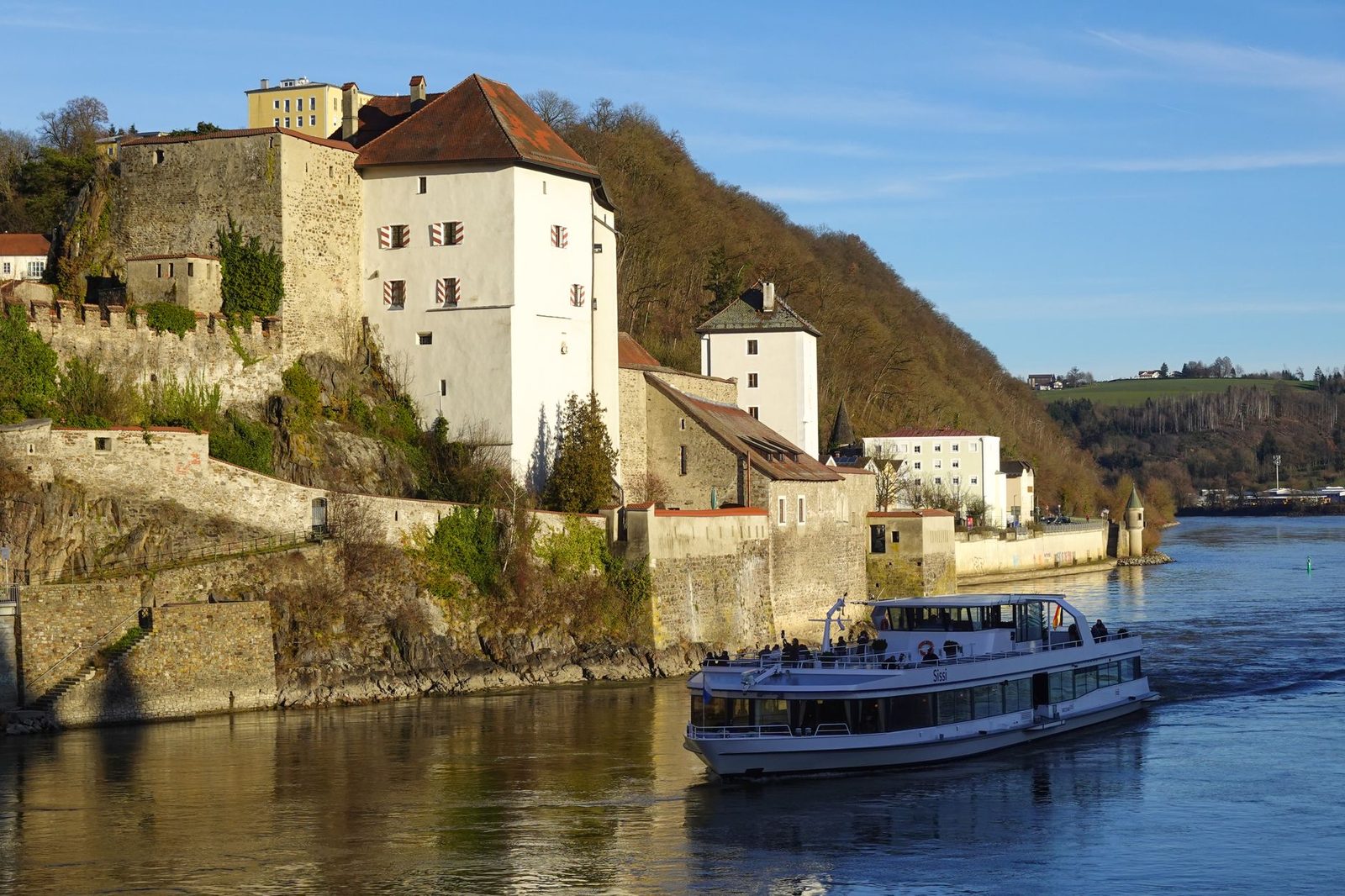
Passau, Germany (Embarkation)
A manageable Baroque city where three rivers (Danube, Inn, Ilz) meet. The old town covers a narrow peninsula. The cathedral has Europe’s largest church organ. Most travelers fly into Munich (2 hours by rail) or Vienna (3 hours) and transfer. Allow a half-day to explore before embarkation.
Regensburg, Germany
One of the best-preserved medieval cities in Central Europe. The old town is UNESCO listed. The stone bridge dating to 1146 is still in use. Regensburg gets less attention than the Austrian stops but consistently surprises first-time visitors.
Linz, Austria
Austria’s third city gets overlooked but has a strong modern art scene and the excellent Ars Electronica Center for technology-focused travelers. Easy access to nearby Salzburg (1 hour by rail) for half-day extensions.
Wachau Valley, Austria
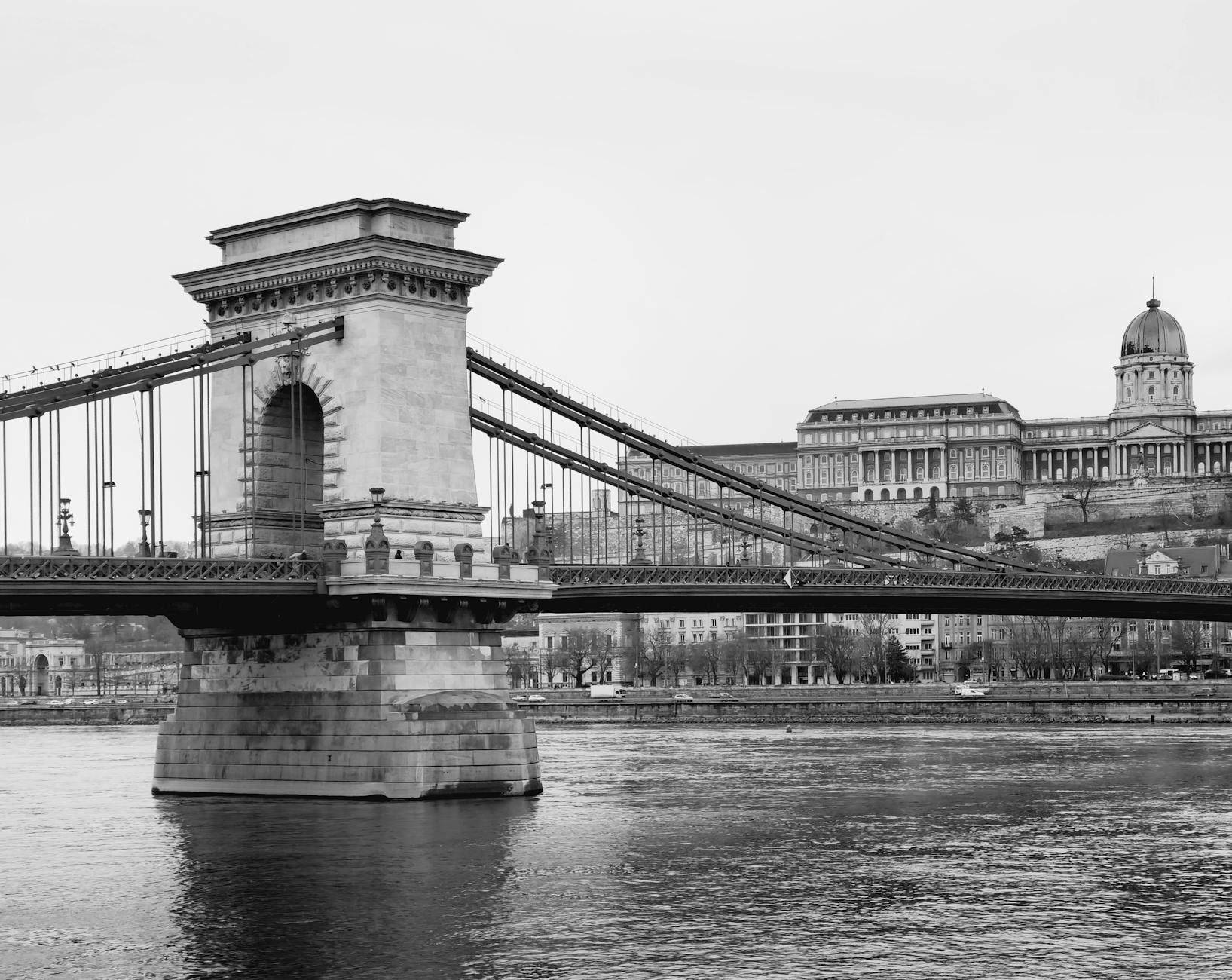 The cruise between Melk Abbey and Krems through the Wachau Valley is the Danube’s visual centerpiece. Terraced vineyards on both banks, ruined castles on the hills, the Benedictine Melk Abbey dominating a cliff above the river. Ships typically pass through in late afternoon. The light is good and most passengers are on the sun deck. The Wachau is a UNESCO World Heritage Site and it shows.
Vienna, Austria
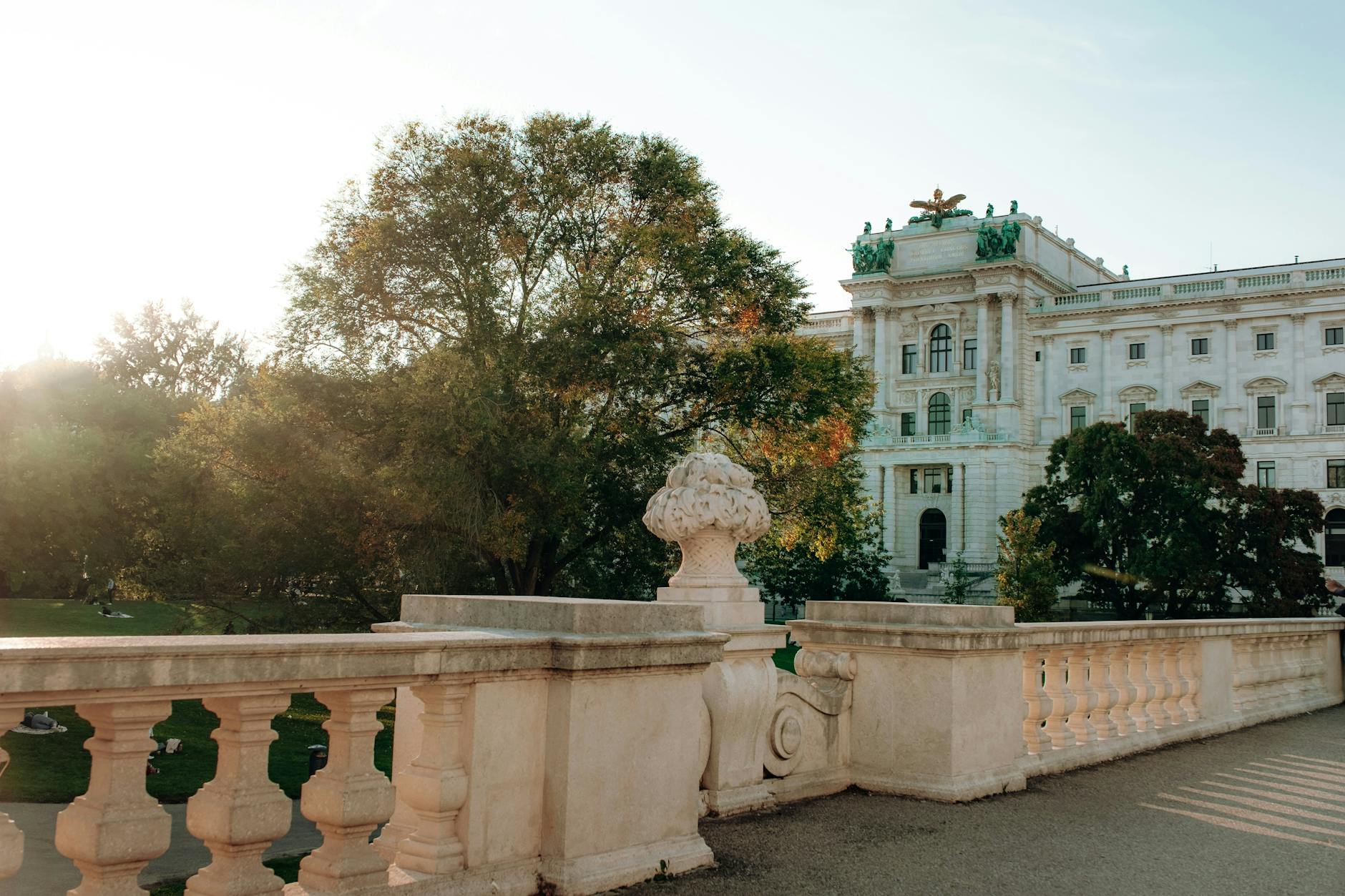 Vienna docks are about 3km from the old city center. Most itineraries include a guided city tour (Schönbrunn Palace, the Ringstrasse, St. Stephen’s Cathedral) and a full free afternoon. The city justifies extra time. Extend before or after the cruise to explore the museums, the coffee house culture, and the evening concert scene. Vienna rewards slow visitors more than fast ones.
Bratislava, Slovakia
Smaller than Vienna or Budapest and often treated as a half-day stop. The old town is compact and walkable. The castle has good views. Bratislava has character that gets shortchanged by the compressed cruise schedule. It’s worth arriving early for a morning walk before the group excursion.
Budapest, Hungary
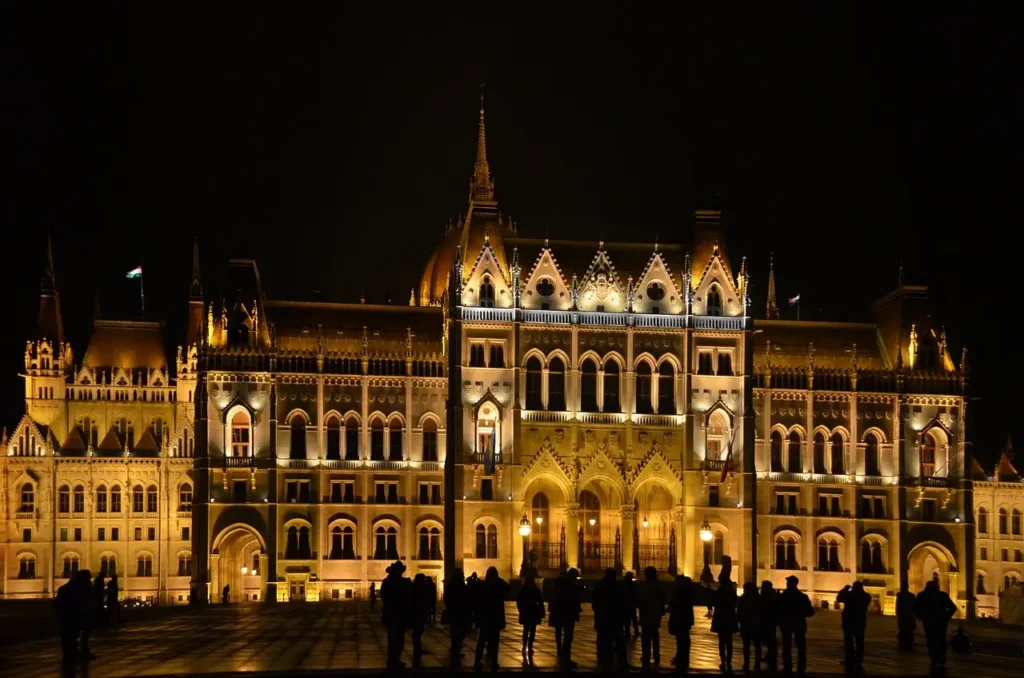
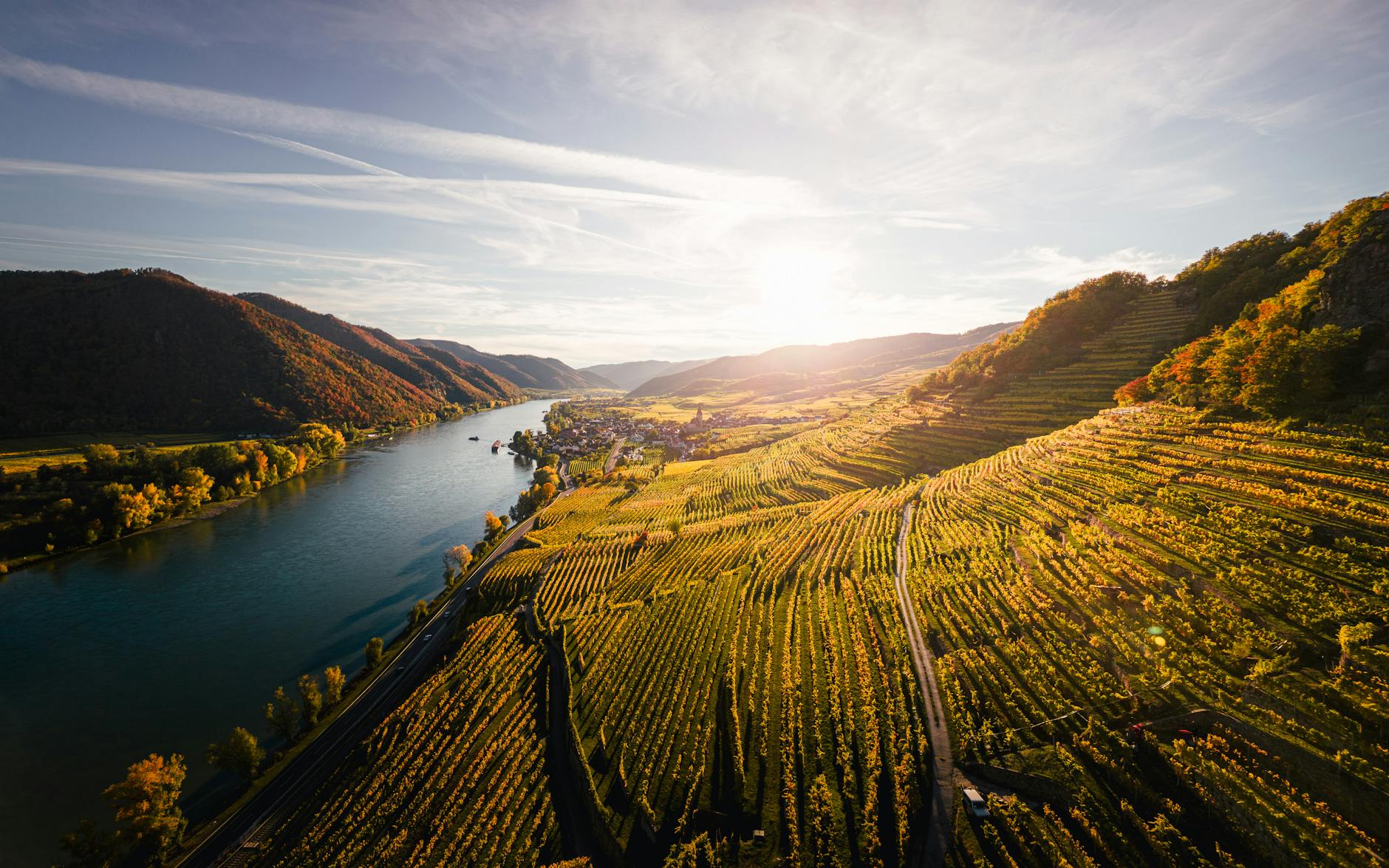 The Danube cruise’s destination finale, and genuinely one of Europe’s great cities. The Parliament building seen from the river at dusk is the defining image. Buda Castle on the hill, the thermal baths, the ruin bar scene in Pest, the Jewish Quarter. Budapest warrants two or three additional days. Most cruises disembark here. Extend your stay.
What to Look For When Choosing
The Danube is the most established European river cruise route, and the experience is well refined across the board. The differences that actually shape your trip come down to a few things rather than the name on the ship:
- Cabin level and view. A mid-deck cabin with a balcony or full-height window is worth prioritizing over almost any other upgrade — the passing scenery is much of the point.
- How active you want to be. Some itineraries build in optional cycling or walking alongside the ship between ports; others keep to classic guided sightseeing. Pick the balance that suits you.
- How much structure you enjoy. Some days are fully guided with no decisions to make; others let you choose how to spend each port. Neither is better — it depends on your style.
- What’s included. Compare what the fare actually covers before anything else (see below).
What’s Included
Most Danube cruise packages include:
- All accommodation on board
- Most meals (typically all breakfasts and dinners, some lunches)
- Guided shore excursions at each port
- Port charges and taxes
- Onboard entertainment and lecture program
What’s typically excluded: flights, travel insurance, premium drinks packages, and optional excursion upgrades. Calculate the real total when you compare itineraries, since what’s bundled into the fare varies once drinks and excursion upgrades are added.
How to Plan Your Danube Cruise
Book flights separately. Fly into Munich or Vienna (for Passau-start itineraries) and out of Budapest. One-way tickets cost more. Book early to manage the differential. Pre/post extensions. Vienna and Budapest both reward longer stays. Most operators offer pre-cruise hotel packages. Extending independently gives you more flexibility and is usually cheaper. Gratuities. European river cruise gratuities run per day. Some operators include them. Others expect cash at the end of the cruise. Confirm before booking. Cabin categories. River cruise ships are narrower than ocean liners, so deck position and cabin location matter. French balcony cabins (floor-to-ceiling opening windows) are the standard upgrade worth paying for. Upper deck cabins have better views. Lower deck cabins are sometimes cheaper and have the same bed quality.
Frequently Asked Questions
How long is a typical Danube river cruise?
Most Danube cruises run 7 to 8 nights covering the Passau-to-Budapest route. Extended itineraries starting from Nuremberg run 10 to 12 nights. Day cruises operate out of Vienna and Budapest.
Which is the best Danube river cruise for first-timers?
The 7-night Passau-to-Budapest itinerary. Look for the most predictable daily structure if you want logistics handled, or an itinerary with cycling and walking options if you’re an active traveler.
What is the best time of year for a Danube river cruise?
May and September offer the best combination of weather, scenery, and value. Summer (July and August) is peak season with the highest prices and crowds. December Christmas market cruises book out 8+ months ahead.
How much does a Danube river cruise cost?
Do Danube river cruises go to Vienna?
Yes. Vienna is a standard port on every Passau-to-Budapest itinerary, with ships docking for one full day. It’s typically the longest port stop on the route, 8 to 12 hours depending on operator.
Final Thoughts
A Danube river cruise remains the easiest entry point into European river cruising. The route is refined, the ports deliver, the operators all run proven programs. Pick your style, book the French balcony, aim for May or September, and add two nights in Budapest at the end. The Danube doesn’t need selling. It just needs planning.