

Some links in this article may earn ToursZoom a commission at no extra cost to you — see our affiliate disclosure.
The right family-friendly tour turns “are we there yet?” into something your kids talk about for years. The wrong one turns a holiday into a survival exercise. I’ve researched enough of them for friends, family, and clients to know the difference isn’t subtle, and it isn’t what the marketing copy tells you. Traveling with kids is one of the most rewarding things you can do as a family, and one of the most nerve-wracking to plan. Will the itinerary exhaust a five-year-old? Will a teenager check out entirely? Will there be anything your picky eater will actually touch? These are real concerns, and they stop a lot of families from booking guided tours at all. They shouldn’t. A well-designed family tour handles the logistics so you can focus on being present with your kids. Many local operators run dedicated family departures. Here’s everything we’ve learned about what separates a great family tour from a miserable one, plus a checklist you can use before you book anything.
What Makes a Tour Actually “Family-Friendly”?

 Not every tour that says “families welcome” is genuinely designed for children. A lot of operators slap that label on a standard adult itinerary and call it a day. A tour that’s truly built for families has six things in place before you even look at the destination.
Age-Appropriate Activities and Pacing
Kids don’t experience travel the way adults do. A three-hour walking tour of Roman ruins is fascinating to you. To a seven-year-old, it’s an endurance test with no clear end in sight. Family tours should alternate high-energy activities (snorkeling, a cooking class, a camel ride) with proper downtime, and keep individual excursions to a length that matches the youngest participant’s attention span. Not the adult average. The youngest person there.
Shorter Daily Driving
According to Family Travel Association research, the single biggest complaint from parents on group tours is excessive vehicle time. Family-specific itineraries cap daily driving at 2-3 hours and break long transfers into segments with activity stops. If a tour shows six hours of driving on a single day, it’s not built for young children. Full stop.
Kid-Friendly Meal Options
This matters more than most parents expect until they’re negotiating with a hungry eight-year-old at a restaurant where nothing on the menu resembles anything they’ve ever eaten. Good family operators either include flexible menus, choose restaurants that offer simpler options alongside local dishes, or flag meal stops in advance so you can pack backup snacks.
Built-In Downtime
Children need unstructured time. A family tour that runs activities from 7am to 8pm with no gaps is a recipe for meltdowns, from the kids and the parents. Look for itineraries that include free afternoons, pool time, or optional activities you can skip without penalty or judgment.
Child Safety and First Aid
Family-oriented operators carry first-aid kits stocked for children, have guides trained in pediatric first aid, and maintain clear protocols for medical emergencies. For adventure activities, they provide properly sized safety equipment, not adult gear improvised for a child. Ask about this upfront. Any operator worth booking will answer without hesitation.
Family Rooms Pre-Arranged
Accommodation logistics are a hidden stress point that most tour descriptions gloss over. A genuinely family-friendly tour pre-arranges family rooms, interconnecting rooms, or suites, so you’re not negotiating with the hotel front desk at 10pm after a long travel day. If the tour quotes double-occupancy pricing only, clarify the family sleeping arrangement before you commit.
Checklist: 8 Questions to Ask Before Booking a Family Tour
Before you pay anything, send these questions to the operator, or check their operator page on ToursZoom. The answers tell you quickly whether this tour was actually designed for families or just tolerates them.
- What’s the minimum age? Some operators set limits at 5, 8, or 12. If your child is under the limit, ask about private booking exceptions.
- How long are the daily driving times? Request a day-by-day breakdown, not a total. A 10-hour transfer on day three will wreck an otherwise solid trip.
- Are car seats or booster seats provided? Many countries require them by law, but operators don’t always supply them. Know this before you arrive.
- What’s the meal situation for picky eaters? Can restaurants modify dishes? Are there grocery stops? Does the operator flag meals in advance?
- How much free time is built in? A solid family tour gives you at least one unstructured block per day, ideally two to three hours.
- What’s the cancellation policy? Kids get sick. Plans change.
- Are there other families on this departure? If your kids are the only children in a group of 20 adults, the dynamic won’t work. Family-specific departures solve this.
- What medical support exists? First-aid training, proximity to hospitals, emergency protocols, ask all of it.
If an operator answers all eight without hesitation, you’re dealing with someone who’s thought this through.
Best Destinations for Family Tours in 2026

Japan
Japan is one of the safest countries on earth, and children are genuinely captivated by it. Bullet trains that run to the second. Robot restaurants. Deer parks in Nara where the deer bow back. Interactive museums that make science feel like play. The food is varied enough for cautious eaters (rice, noodles, tempura, edamame) and public transport is immaculate. The culture of respect means families feel welcomed in virtually every setting. “Japan has one of the highest repeat family visitor rates in our network,” says Yuki, who’s been running Tokyo-based cultural tours since 2014. “Parents come for the first time, the kids fall in love, and they’re back within two years.” Best for ages 5 and up. Younger children will enjoy it, but the volume of walking in Tokyo and Kyoto can be tough on toddlers.
Kenya Safari
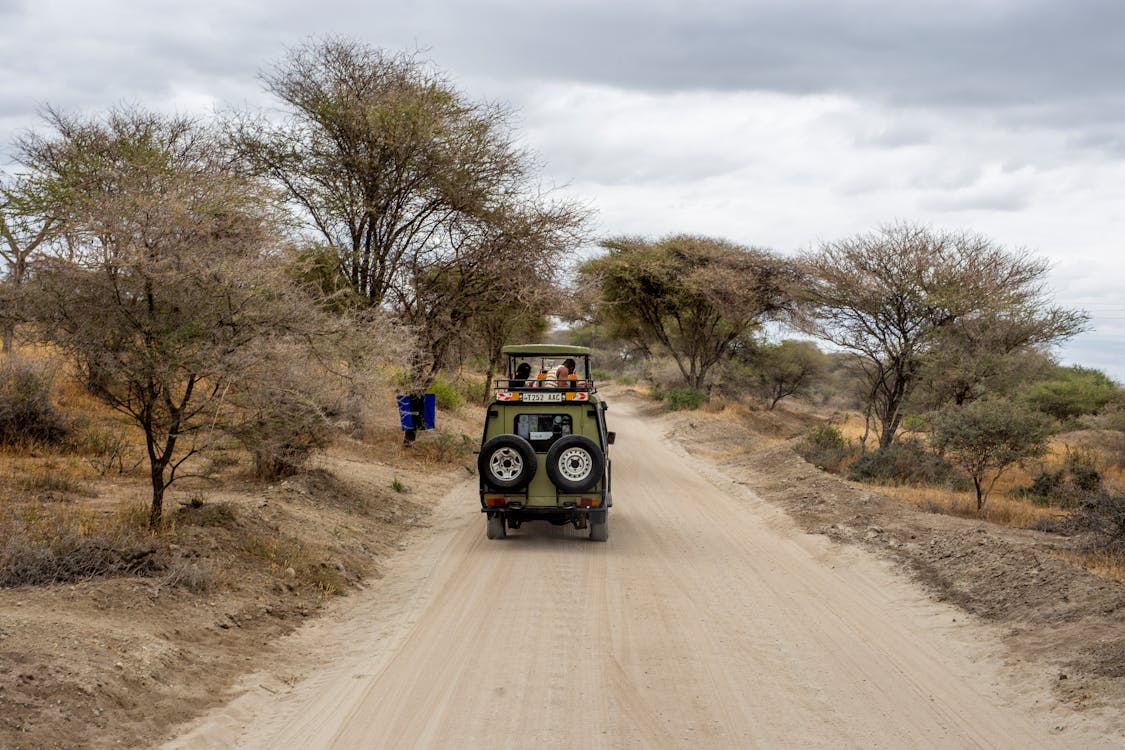 Nothing competes with a child’s face the moment they spot their first elephant in the wild. Kenya’s national parks deliver game drives that feel like a real-life nature documentary, and many family safari operators have redesigned their experience specifically for kids. Shorter game drive durations. Educational bush walks. Guides who explain animal behavior in terms a ten-year-old finds genuinely interesting, not just tolerable. The Masai Mara, Amboseli, and Laikipia are particularly well-suited to families. Best for ages 6 and up. Some lodges set minimums at 5 or 8, so check before booking. Private game drives with no minimum age are available through select operators on ToursZoom.
Turkey
Turkey combines beach time with history in a way few destinations can match. Kids swim in the morning, explore ancient Ephesus after lunch, and wake up the next day to hot-air balloons over Cappadocia. Short internal flights, Istanbul to Antalya is 75 minutes, keep transit manageable. The food is universally kid-approved: flatbread, grilled meats, fresh fruit, baklava. Best for all ages, including toddlers if you stick to beach-based itineraries in the south.
Iceland
 Iceland delivers adventure that children can actually handle. Waterfalls you walk behind. Whale watching from stable, purpose-built boats. Geysers that erupt on schedule, every eight minutes, like clockwork. Volcanic landscapes that look like another planet. The country is compact (drives between major highlights are rarely more than two hours) and summer daylight means you never feel rushed. “The kids I guide here are always the ones who ask the best questions,” says Gudrun, an Iceland-based guide who’s been running Ring Road tours since 2011. “They want to know why the lava looks that way, why the water is that color. It’s hard not to love that.” Best for ages 5 and up. Most glacier and ice cave tours set minimums at 8-10.
Dubai
Dubai is engineered for families in a way that makes logistics almost frictionless. Theme parks (IMG Worlds of Adventure, Legoland), desert safari excursions, beach resorts with kids’ clubs, and indoor snow parks create an itinerary that barely needs improvisation. A guided family tour in Dubai adds value through desert camping experiences, traditional dhow cruises, and cultural visits to Al Fahidi that you’d probably skip on your own. Best for all ages, even toddlers, given the resort infrastructure and climate-controlled attractions.
Family Tours by Age Group
 Your child’s age is the single most important variable in choosing a family tour. Here’s what works at each stage: Under 5: Flexibility is everything. Private tours let you start late, skip an activity without friction, and return to the hotel the moment energy runs out. Avoid itineraries with altitude above 2,500 meters or daily driving over two hours. Ages 5-10: This is the sweet spot for family group tours. Children are old enough to participate in structured activities, walk reasonable distances, and actually remember the trip. Safari game drives, Japanese temple visits, Turkish cooking classes, all brilliant at this age. Ages 11-15: Teenagers need stimulation, not passive sightseeing. Adventure tours in Iceland (glacier walks, snorkeling between tectonic plates, whale watching) and cultural tours with hands-on elements keep this age group engaged. Avoid tours heavy on bus-and-listen formats. They’ll retreat into their phones. Ages 16+: Most adult group tours accept participants 16 and over. At this point, your teenager is essentially a travel companion. Budget for their independent spending and consider tours with free time blocks where they can explore on their own.
Private vs Group Tours for Families
This is usually the first real decision you face, and there’s no universally correct answer. Private family tours give you full control. If your toddler needs a two-hour nap after lunch, the tour waits. If your teenager wants to spend an extra hour at a market, no one is checking their watch. The trade-off is cost: private tours carry a premium. Family group tours are more affordable, and they have a social benefit that parents often underestimate. Your kids meet other kids. Children who spend a week exploring with peers their own age frequently cite the friendships as the trip highlight, not the destinations. The structure also means less decision fatigue for parents: everything is planned, nothing is improvised at 7pm after a long day. The sweet spot is small-group family-specific departures, 8-16 people, all families with children of similar ages. These combine the social benefits of a group format with pacing designed for kids. They’re increasingly popular and available through operators on ToursZoom. When browsing, ask specifically for family-only departures rather than family-friendly ones. The distinction matters.
Budget Tips for Family Tours
 Family travel isn’t cheap, but there are practical ways to keep costs in check without gutting the experience. Ask about kids’ discounts. Many operators offer, and some provide free places for under-5s sharing a parent’s bed. Discounts aren’t always listed on the tour page. Ask directly. Family rooms beat two double rooms. A single family room or interconnecting suite is almost always cheaper than two separate doubles. Confirm the room setup at booking, not at check-in. Included meals matter more with kids. Tours with meals included save you from expensive restaurant hunting at every stop. With children, the convenience alone, no negotiating a “kid-friendly” restaurant in an unfamiliar city at 7pm, is worth the slightly higher tour price. Travel insurance is non-negotiable. Children get sick, fall, and have unpredictable moments. A comprehensive family travel insurance policy covering cancellation, medical evacuation, and trip interruption is essential. The cost (typically 4-8% of the trip price) is nothing compared to an uninsured medical emergency abroad. Book early for family departures. Family-specific tours have fewer departures and fill quickly, especially around school holiday dates. Booking 3-4 months in advance typically secures better pricing and availability. Leave it to six weeks before departure and you’ll be scrambling.
Happy Families, Real Results
 It’s a consistent pattern: when the tour is genuinely designed for families, not just advertised to them, the experience lands differently. The stress of logistics disappears. You’re a parent on holiday, not a project manager.
Frequently Asked Questions
What age can kids go on safari?
Most Kenya and Tanzania safari operators set minimum ages at 5-8 for group game drives. Some private conservancies accept children as young as 4. Private game drives with no minimum age are available through select operators, usually at a higher cost.
Are family tours more expensive than regular tours?
Not necessarily. Per-person costs on family group tours are often comparable to standard departures, with children frequently receiving. The total is higher because you’re paying for more people. Larger families often see lower per-person private rates.
How do I keep kids entertained on long travel days?
Download offline content before you leave. Bring a small activity kit. Set expectations clearly: “We have a two-hour drive, then we see the waterfall.” Good operators build games into transit, scavenger hunts, destination trivia, audio stories for younger kids.
Should I book a guided family tour or travel independently?
For complex logistics (safaris in East Africa, multi-city Japan routes, Iceland adventures), a guided tour removes enormous stress. The operator handles transfers, accommodation, meals, and bookings. For simpler destinations, independent travel works fine.
What if my child has dietary restrictions or allergies?
Notify the operator at booking, not departure day. Reputable family operators handle allergies routinely. For severe allergies, carry emergency medication and a translated allergy card. Most ToursZoom operators accommodate vegetarian, gluten-free, dairy-free, and nut-free diets.
Final Thoughts
The best family trips I’ve seen planned share one quality: the parents stopped trying to design a tour themselves and found an operator who already had the right pieces in place. The checklist above isn’t about being demanding. It’s about finding the operators who will answer these questions confidently, because they’ve already built the trip around them. When you find that operator, booking becomes simple, and the trip itself is what everyone remembers, not the logistics you wrestled with to get there.