
Some links in this article may earn ToursZoom a commission at no extra cost to you — see our affiliate disclosure.
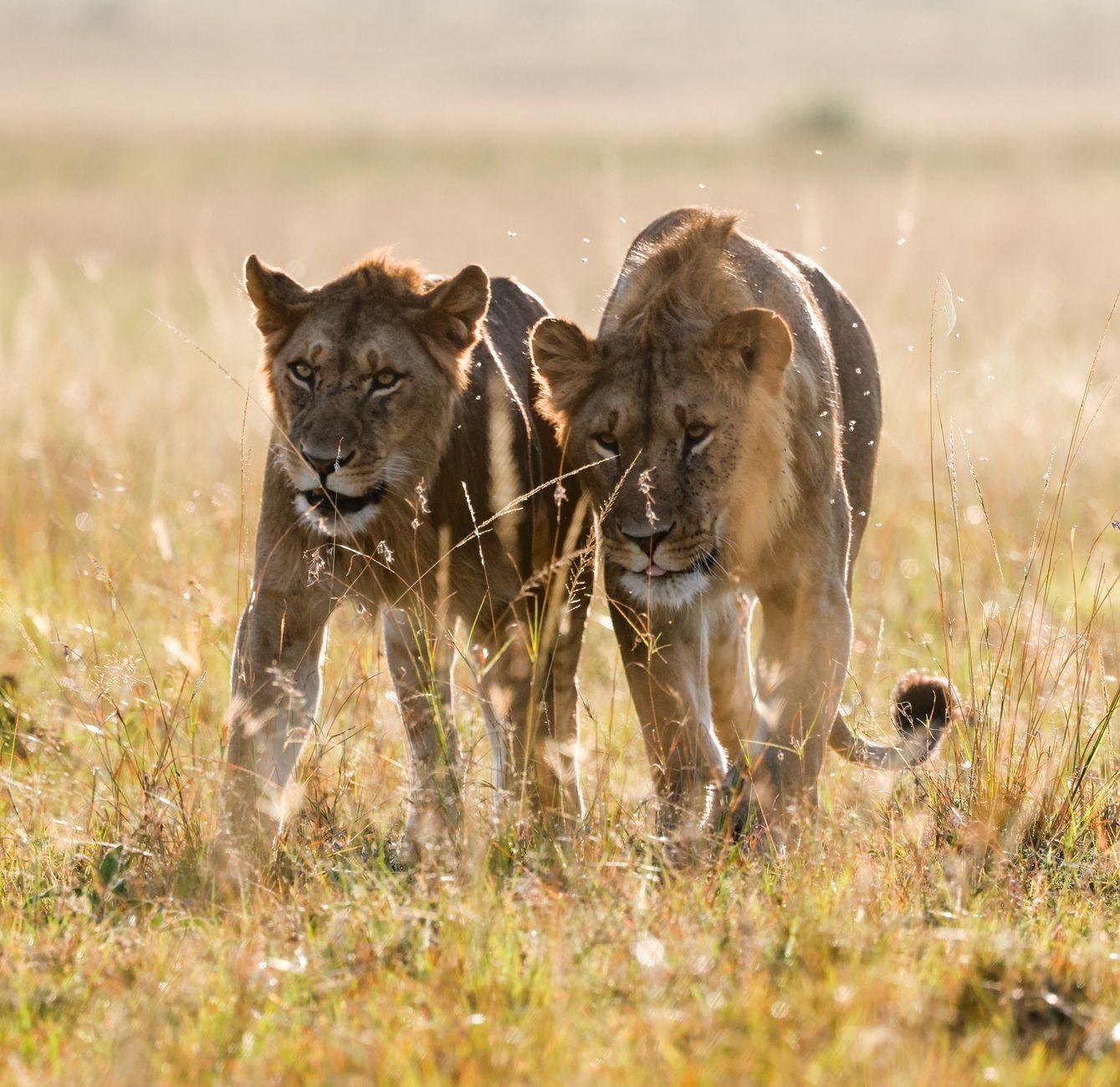
Nobody tells you about the dust. The Maasai Mara in the dry season is red-dust savanna. The Land Cruiser kicks it up, it settles on everything, you’re wiping it off your camera lens every twenty minutes. It gets in your hair. By day two you stop minding. Nobody tells you that the first game drive on a Kenya wildlife safari will feel overwhelming in a way that takes a while to process. You’ve been in cities your whole life. Suddenly you’re watching a lion kill, not on a screen but fifty meters from your vehicle, the blood actually visible, the hyenas already circling, and you don’t know what to feel. That’s a real Kenya wildlife safari. Not the brochure version. This guide covers what a Kenya wildlife tour actually involves, which parks deliver what, and how to put together a trip that goes beyond the surface.
Why Kenya for Wildlife
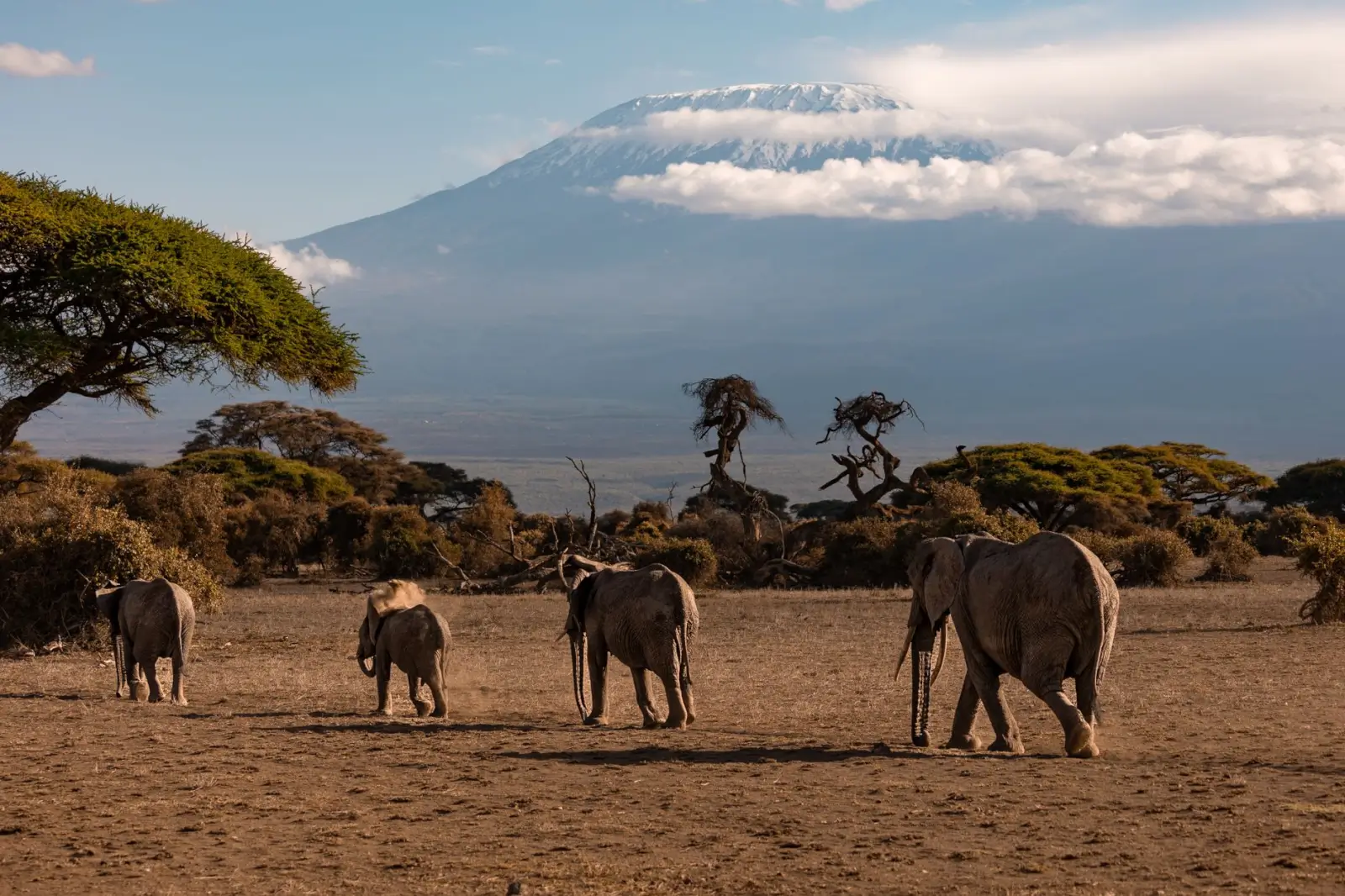
Kenya has a strong claim on being the best safari destination on the continent. The Maasai Mara is consistently the most productive big-cat reserve in Africa. Amboseli gives you elephants with Kilimanjaro as a backdrop, a landscape that still surprises people who’ve seen the photos. Samburu in the north has species you won’t find in the south: Grevy’s zebra, reticulated giraffe, and gerenuk. The infrastructure for tourism is well-developed. Kenya has been doing this for a long time, and the lodge and camp network in the main reserves is the best in East Africa. Nairobi is a functional hub with good international connections. And the local guides, particularly the Maasai guides who grew up in and around the Mara, carry knowledge of animal behavior that no training program could replicate.
“My father was a guide before me. I grew up watching these animals. I know which female cheetah is denning where right now. I know which lion pride is moving east this week. That’s the difference between a guide and a driver.” — Lemayian, third-generation Maasai guide, 18 years in the Mara
The Parks: What Each One Delivers
Maasai Mara (3–4 days minimum)
The Mara’s reputation is built on two things: the resident big cats and the annual Great Migration. The resident population includes several well-documented lion prides, multiple cheetah families, and a healthy leopard population (harder to find, but the guides know the territory). The savanna ecosystem here has supported predator populations for so long that sightings are reliable. You’re not waiting and hoping the way you might in other parks. You’re positioning for what your guide already knows is there. The Great Migration, when approximately 1.5 million wildebeest move from the Serengeti in Tanzania into the Mara, happens roughly from July to October, peaking in August. The river crossings at Mara River are the famous part: wildebeest piling into crocodile-infested water in a panic, the noise and chaos lasting for minutes or hours depending on the herd. The crossings don’t happen on schedule. You position near the river when the herd is building, then wait. Sometimes nothing happens. Sometimes the whole herd crosses in twenty minutes while you’re watching. A note on expectations: the migration timing shifts by year depending on rainfall patterns. July through October is the window, but “peak” can vary by several weeks. A good operator will tell you honestly what’s likely when you’re traveling, not just sell you the best-case scenario.
Amboseli National Park (2 days)
Amboseli’s elephants are its defining feature. The park has one of Africa’s largest and most studied elephant populations. The families here have been observed for decades; researchers know individual elephants by name. Your guide can often tell you which family group you’re watching and something about their history. The Kilimanjaro backdrop is real. On clear mornings, early before the cloud builds, the mountain sits perfectly above the plains. It doesn’t look quite real. Bring a long lens. 
Samburu National Reserve (2–3 days)
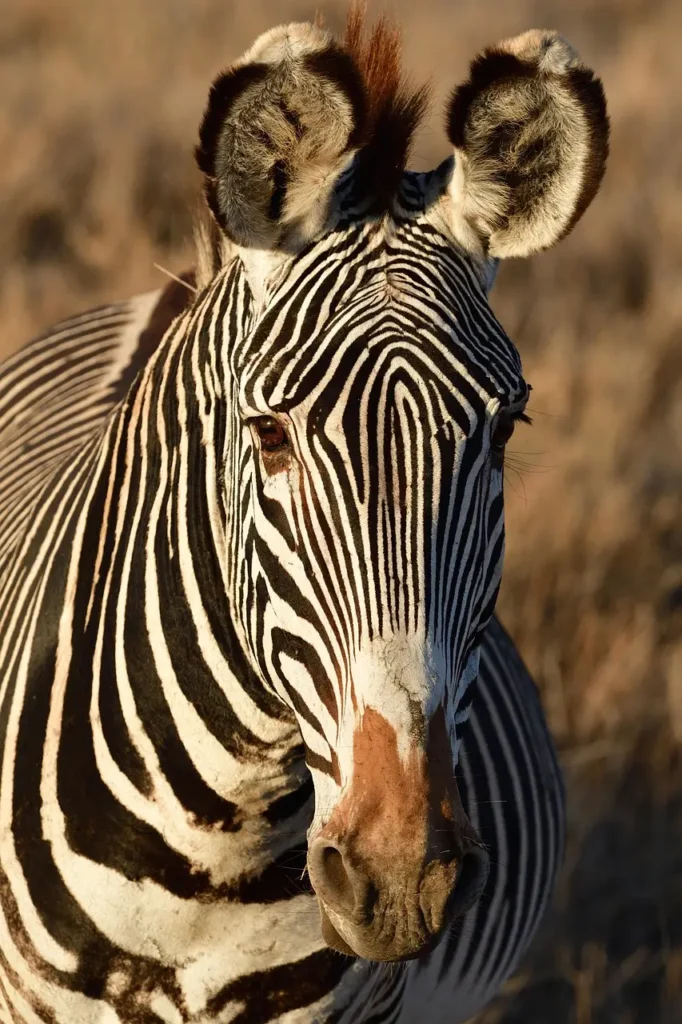
Three hours north of Nairobi, Samburu is drier and less visited than the Mara. It’s worth including if you have the time because the species mix is different: Grevy’s zebra (larger than common zebra, with tight circular stripes), reticulated giraffe (the most striking of the giraffe subspecies), Beisa oryx, and gerenuk, a gazelle that stands on its hind legs to reach acacia branches and looks briefly prehistoric when it does. The Ewaso Ng’iro River runs through the reserve and draws elephants and crocodiles. Leopard sightings in Samburu are, according to several guides, more reliable than in the Mara. 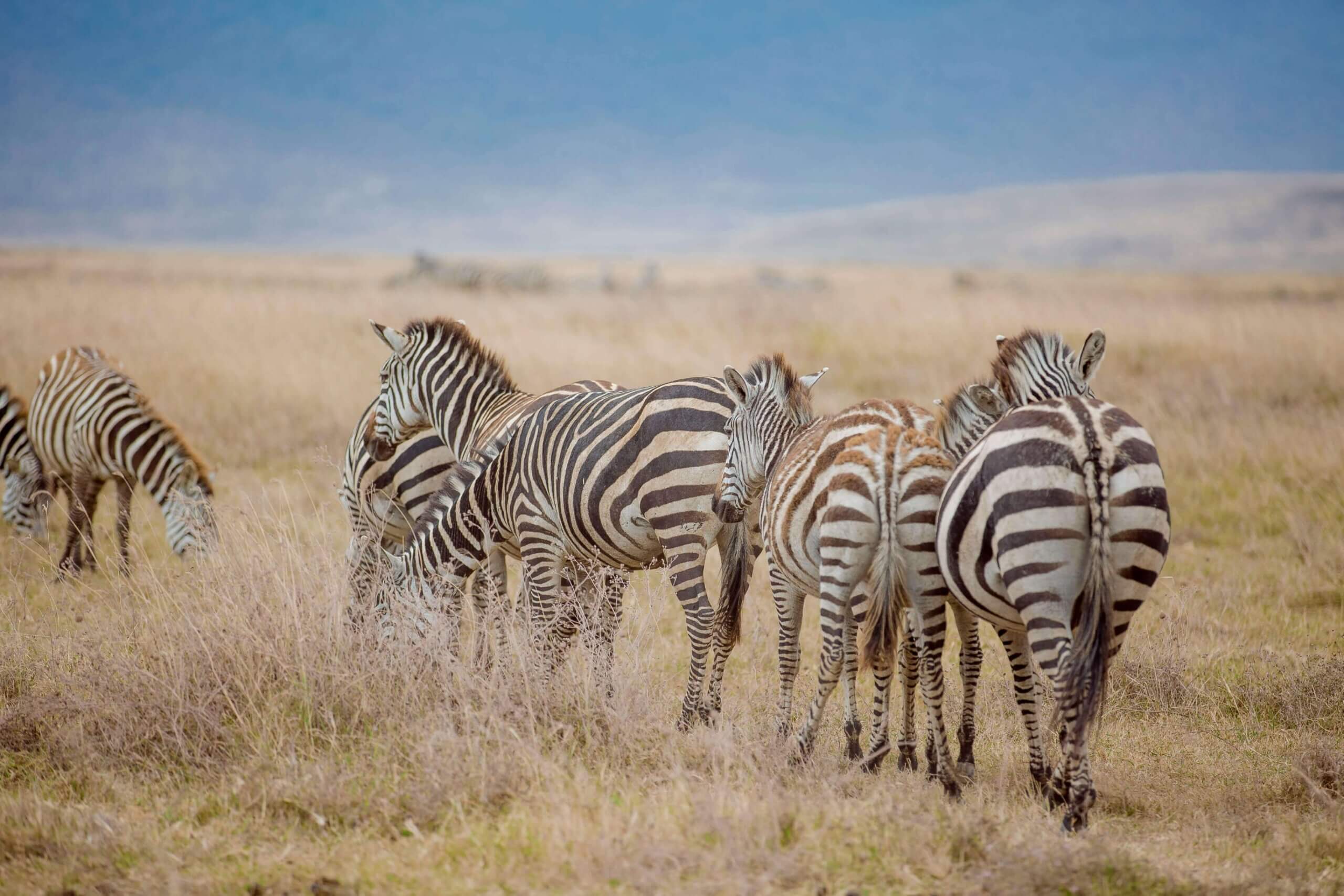
What the Days Actually Look Like
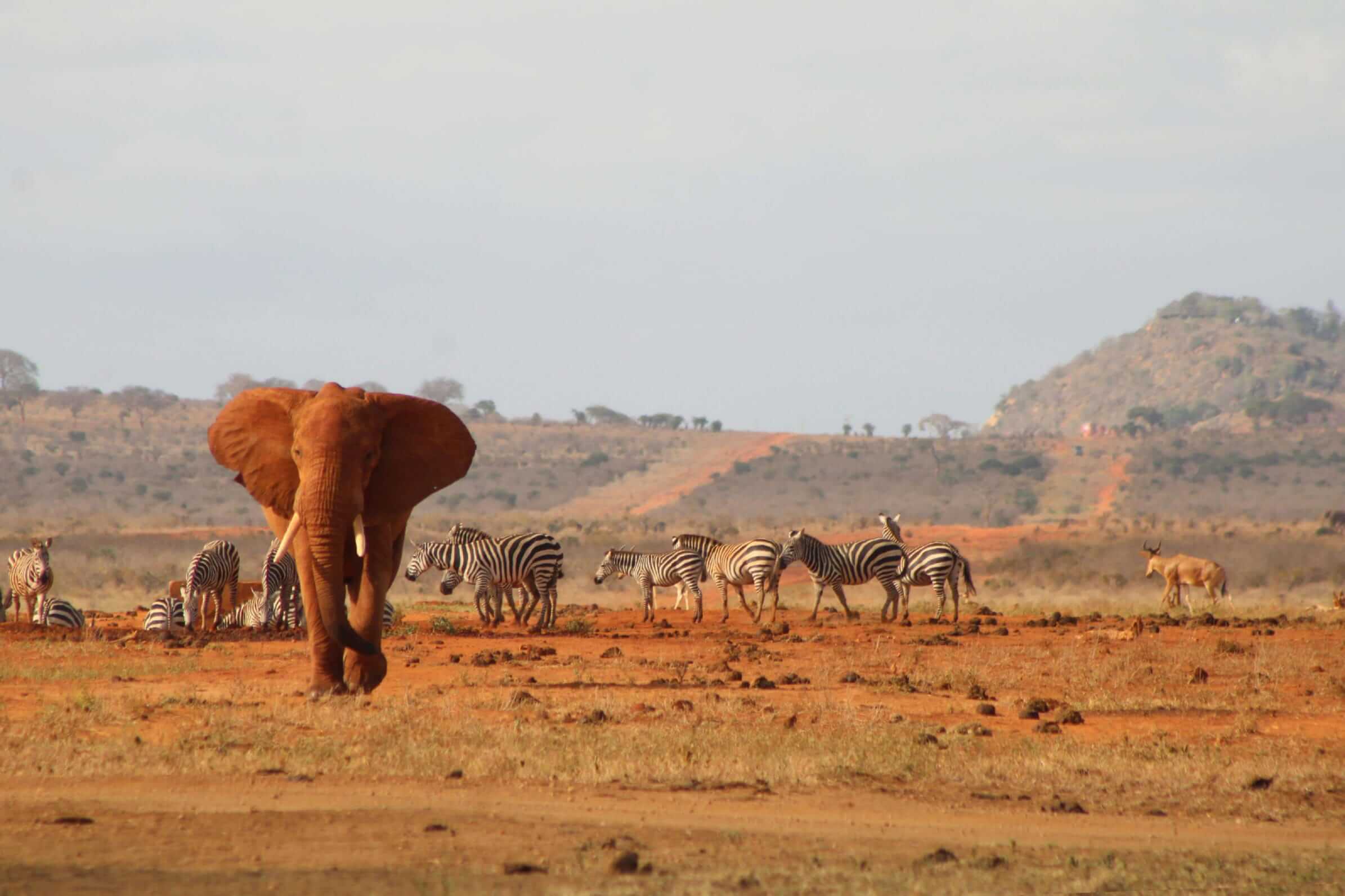 A standard safari day has two game drives: one at dawn (6am, sometimes earlier) and one in the late afternoon (4–7pm). These are the active hours for predators. The middle of the day, 11am to 3pm, the animals are largely resting and the heat makes driving uncomfortable. You rest too, at camp. That sounds like a compromise. It quickly feels like a gift. The vehicle is an open-sided Land Cruiser or similar 4WD with a pop-up roof hatch for standing. You’ll be sitting in the back for two to four hours at a time on rough tracks. Good boots, a dust layer, and a telephoto lens are the practical requirements. Game walks are available in some conservancies adjacent to the main reserves. Walking through the bush with an armed ranger is a completely different experience from being in a vehicle. You’re at ground level, moving slowly, reading tracks and listening rather than scanning. It’s not for everyone. It’s worth doing at least once.
Best Time for Kenya Wildlife Tours
July to October:Migration season in the Mara, peak big cat activity, dry conditions that make driving and photography easier. This is when most people want to go, and when availability is tightest. January to March:Dry season, quieter than summer. No migration, but the resident wildlife is still there and the parks are less crowded. Calving season for wildebeest starts in January–February in the Serengeti, drawing predators. June:Just before peak season. The Mara is good, prices are slightly lower, and the southern migration is already building. April to May:The long rains. Some roads become difficult, some camps close. Not the obvious time to go, but the landscape is green and strikingly different. Budget operators offer significant discounts.
What a Typical Kenya Safari Includes
- Airport transfers (Jomo Kenyatta International Airport, Nairobi)
- All park transport (4WD game drive vehicle with licensed driver-guide)
- Lodge or tented camp accommodation throughout
- All meals at camp (full board)
- Park entry fees
- Domestic transfers (road or light aircraft, depending on the itinerary)
Not included: international flights, travel insurance, visa fees (Kenya e-Visa, ), personal items, gratuities for guides and camp staff (expected and important), optional walks or specialist activities not in the base itinerary.
Frequently Asked Questions
Will I see the Great Migration on my Kenya tour?
If you’re traveling July–October, the migration is in the Mara and river crossings are likely. One or two days, you might miss them entirely. Five or more days gives you multiple chances.
How long should a Kenya wildlife tour be?
A meaningful experience needs at least 6 days: 3–4 days in the Mara plus 2 days in Amboseli or Samburu. Eight to ten days is better if you want to cover multiple parks without rushing.
What’s the accommodation like on a Kenya safari?
It varies by budget. Mid-range tented camps offer proper beds, en-suite bathrooms, and campfire dinners. Upscale lodges in private conservancies are high-end, often spectacular. Budget camping is also available.
Do I need vaccinations before traveling to Kenya?
Yellow fever vaccination is required if you’re arriving from a yellow fever-endemic country, and strongly recommended regardless. Malaria prophylaxis is standard for Nairobi and all game reserves. Consult a travel health clinic 6–8 weeks before departure.
Is a Kenya safari suitable for children?
Most lodges and tented camps accept children over 5 or 6. Many have specific family programs. Some high-end conservancies have age restrictions for walking safaris. Check with your operator before booking if you’re traveling with young children.
How far in advance should I book a Kenya safari?
Book peak season (July–October) 6–12 months ahead. Quality camps in the Mara sell out fast, especially August. For travel outside peak season, 3–4 months is usually sufficient to secure your first choice of accommodation.
Final Thoughts
Kenya delivers. The wildlife is real, the guides are exceptional, and the combination of animals and landscape, particularly in the Mara and Amboseli, is unlike anything else. Go prepared for the dust, the unpredictable crossings, and the completely disorienting experience of watching large predators do what large predators do. You’ll be fine. Better than fine.