
Some links in this article may earn ToursZoom a commission at no extra cost to you — see our affiliate disclosure.
Last updated: April 2026
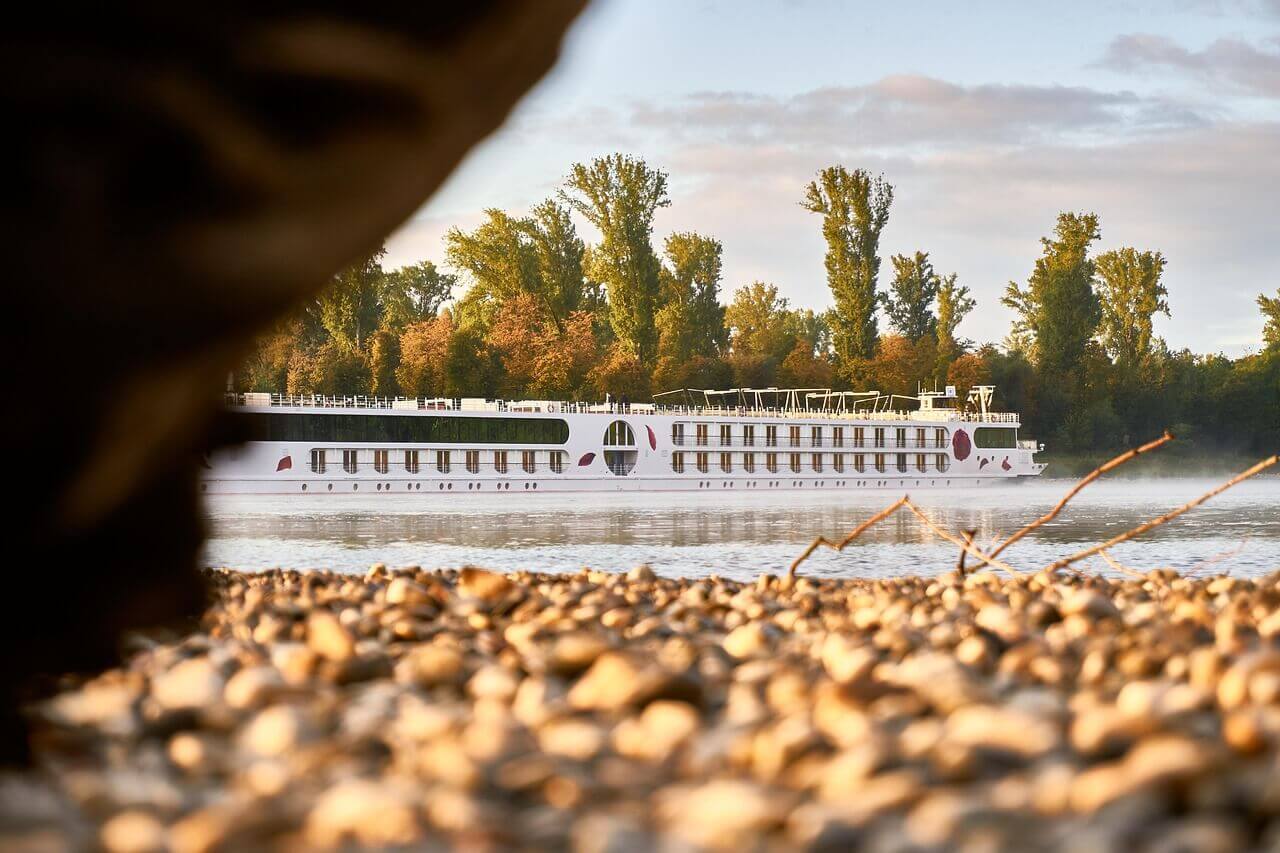
For first-time river cruisers, the Rhine is widely considered the best starting point in Europe: the route is compact, the English-language infrastructure is strong, the scenery is dramatic, and the ports are varied enough to hold interest across seven or eight days without ever feeling overwhelming. Here is what to look for, what to expect, and how to make the most of your first Rhine River cruise in 2026.
- Why the Rhine Works Well for First-Timers
- What to Look For When Choosing a Cruise
- What a Typical Week Looks Like
- Shore Excursions: Included vs. Independent
- Practical First-Timer Tips
- Budgeting for 2026
- Frequently Asked Questions
Why the Rhine Works Well for First-Timers
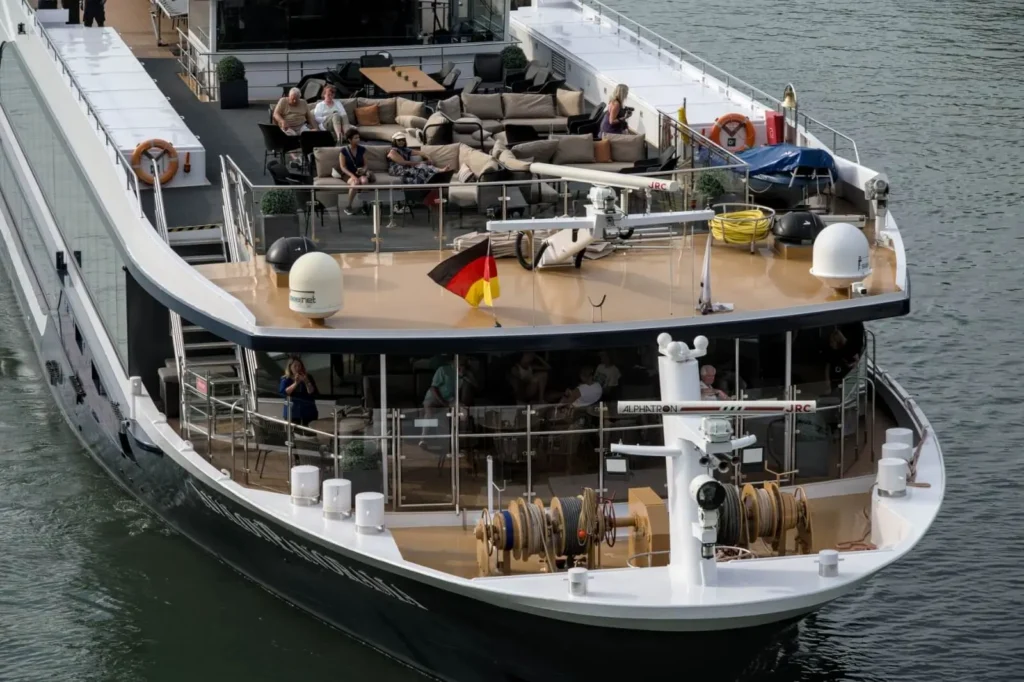
River cruising is fundamentally different from ocean cruising, and the Rhine is one of the gentler introductions to it. The river is calm — no sea sickness, no stabilisers needed, no rough crossings. Ships carry between 100 and 200 passengers, which means a quieter, more personal experience than a large ocean vessel. You unpack once and the scenery changes daily. Ports are small enough to navigate on foot without a guide.
The Rhine route specifically has a few advantages for newcomers. First, it covers a lot of cultural ground in a short distance: you pass through Dutch, German, French, and Swiss landscapes in a single week, which makes the route feel genuinely varied. Second, the English-language tourist infrastructure along the Rhine is well-developed — menus, museum labels, and local guides routinely operate in English. Third, the Middle Rhine Gorge, with its castle-studded cliffs and narrow bends, delivers the kind of scenery that justifies the trip on its own.
It is also a forgiving destination if anything goes wrong. The trains along the Rhine valley are frequent and efficient, so if a ship schedule changes or you want more time somewhere, land transport is always available.
What to Look For When Choosing a Cruise
Route and Duration
The classic first-timer itinerary is seven to eight days between Amsterdam and Basel. This gives enough time to feel settled on board, experience several distinct ports, and not feel rushed. Four- to five-day shorter sailings exist but tend to cover only part of the route and may leave you wishing for more time. Extended ten-day itineraries that add the Moselle or Main rivers are better suited to second or third trips once you know river cruising suits you.
What Is Included
This matters more than the headline price. Some fares include nearly all excursions and beverages; others include meals only. A cheaper base fare can quickly become more expensive than a higher all-inclusive fare once shore excursions, drinks, and gratuities are added. Make a list of what you want to do on shore and check whether those excursions are included or priced separately.
Ship Size and Style
Rhine ships range from around 100 to 200 passengers. Smaller ships (under 130 guests) offer a more intimate atmosphere and can access some ports that larger ships cannot. Larger ships within the 190-200 passenger range typically have more onboard facilities. For first-timers, the size difference matters less than whether the cabin is comfortable — prioritize an upper deck cabin or one with a French balcony (floor-to-ceiling sliding doors) for the best views, especially through the gorge.
Departure Season
Spring (late April to early June) and early autumn (September to mid-October) offer the best combination of weather, scenery, and manageable crowds. Summer sailings in July and August exist but bring more tourists to the ports and hotter temperatures on deck. Christmas market cruises in late November and December are a popular niche — genuinely atmospheric, but the focus is the markets rather than outdoor scenery.
What a Typical Week Looks Like
A standard seven-day Amsterdam-to-Basel itinerary typically unfolds as follows:
Day 1 — Amsterdam or Kinderdijk: Most cruises begin with embarkation in Amsterdam and a late-afternoon or evening departure, sometimes including a canal or harbor cruise. Some ships detour to Kinderdijk, the UNESCO-listed windmill complex near Rotterdam, on the first full day.
Day 2 — Cologne: A full day in Cologne. The cathedral dominates, but the old town, the Rhine promenade, and the brauhouses are worth time. Cologne is the largest city on the standard route and feels like a proper European capital day out.
Day 3 — Koblenz: The ship often arrives mid-morning. The cable car to Ehrenbreitstein Fortress and the walk out to the Deutsches Eck (where the Rhine and Moselle meet) are the main draws. This is also the day you enter the Middle Rhine Gorge heading south — the scenery through the afternoon and evening is the visual peak of the trip.
Day 4 — Rüdesheim: The quintessential Rhine wine town. Wine tastings, the Drosselgasse lane, the Niederwald Monument above town, and optionally the Siegfried’s Mechanical Music Cabinet museum. Many itineraries also offer an excursion to Mainz or Wiesbaden from here.
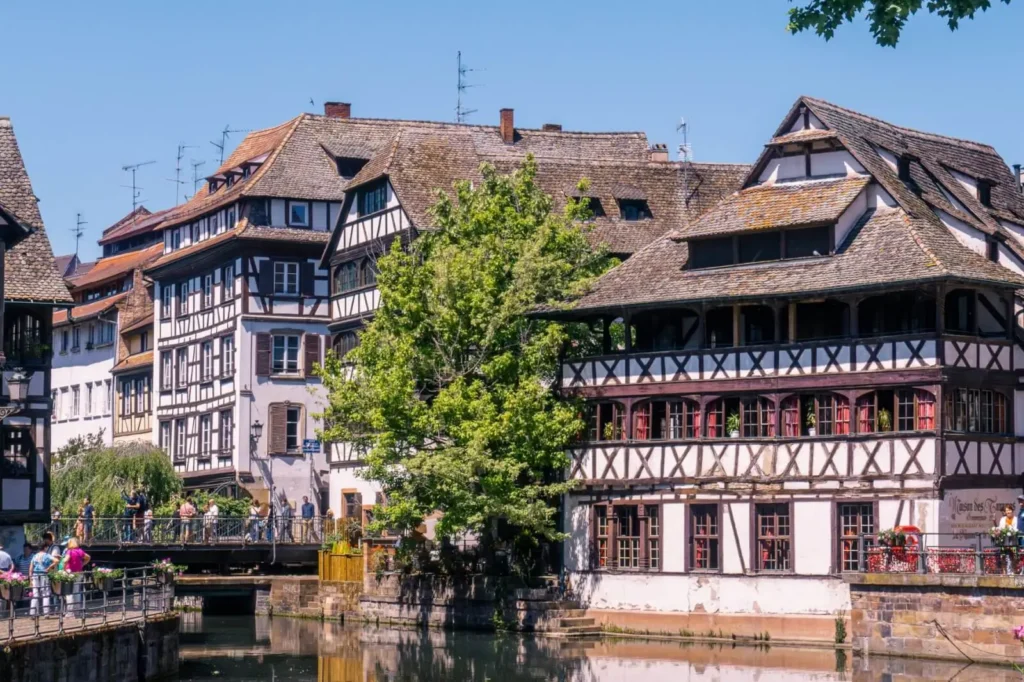
Day 5 — Strasbourg: France. The Grande Ile UNESCO district, Notre-Dame Cathedral, Petite France neighborhood. Lunch here is worth prioritizing — Alsatian tarte flambée and Gewurztraminer are hard to beat. Some ships overnight in Strasbourg, allowing an evening walk when the cathedral is illuminated.
Day 6 — Breisach / Colmar / Black Forest: Breisach is a small town used as a jumping-off point. Excursions typically go to Colmar (a beautifully preserved Alsatian town, 30 minutes away) or into the Black Forest. Both are good; Colmar edges it for first-timers who have not been to Alsace before.
Day 7 — Basel: Switzerland. Either a half-day port stop before disembarkation, or a full day if the itinerary runs that way. Basel’s old town, the Rhine promenade, and the Fondation Beyeler art foundation are the highlights. Disembarkation is typically mid-morning.
Shore Excursions: Included vs. Independent
Every port on the Rhine is walkable from the ship, which is one of the great advantages of river cruising. You are never tendered ashore, the docking is directly in town or a short walk away, and the ports are not so large that you need transport to reach the main sights.
This means that independent exploration is genuinely practical. If you prefer to set your own pace — linger longer in Cologne’s cathedral, skip the group at Rüdesheim and take a private winery tour, walk Strasbourg on your own — you can do that without difficulty.
Organized excursions have their own value: a knowledgeable guide adds context, particularly for historical sites, and logistical thinking is done for you. For first-timers unfamiliar with the destinations, the guided option on days one and two is often worth the cost or inclusion; by day four or five most people feel confident enough to explore independently.
One practical note: always check what time the ship departs before wandering off. Ships generally wait for organized excursion groups but not for independent explorers who have lost track of time. Keep the ship’s departure time visible on your phone.
Practical First-Timer Tips
Pack for walking. Comfortable walking shoes are the single most important practical item. Most ports involve cobblestones, steps, and uneven old-town streets. You will walk several kilometers on most shore days.
Bring layers. Even in May and September the Rhine valley gets cool in the evenings, especially on deck. A light rain jacket is worth its weight on any day of the year.
Book the gorge-side cabin if you can. When sailing south (Amsterdam to Basel), the most dramatic gorge scenery on the left bank (port side). When sailing north (Basel to Amsterdam), it is starboard. Check with your operator which bank the castles are on relative to your direction of travel and request that side at booking.
Euros go far. Most of the route is in the eurozone. Carry a small amount of cash for taverns, market stalls, and tips — not everywhere accepts cards, particularly in small wine towns and Black Forest villages.
The gorge section is daytime viewing. Confirm with your operator that your itinerary passes the Middle Rhine Gorge (Rüdesheim to Koblenz) during daylight hours. Some itineraries transit this section overnight, which is a genuine miss. It is worth raising this directly when booking.
Onboard evenings are relaxed. Rhine river cruises do not have the entertainment programming of large ocean ships. Evenings tend to be dinner, a talk about the next day’s port, and quiet time on deck or in the lounge. That is a feature, not a flaw, for most people who choose river cruising — but if you want nightly shows and a casino, a different type of holiday is a better fit.
Frequently Asked Questions
Is a Rhine River cruise suitable for solo travelers?
Yes, though solo supplements vary considerably between operators. Some run specific solo-traveler sailings or offer dedicated solo cabins; others charge a supplement on standard cabins. It is worth checking solo supplement policies directly with each operator before booking. The social atmosphere on a 150-passenger ship tends to be friendly, and solo travelers generally find conversation easy at shared dining tables.
How much walking is involved on a Rhine cruise?
Most shore excursions involve moderate walking on uneven surfaces — cobblestones, hills, castle steps. Distances are generally manageable (3 to 6 kilometers per day), but the terrain is not always flat. Travelers with significant mobility limitations should check specific excursion accessibility with operators in advance. Several ports, including Cologne and Strasbourg, have excellent accessibility in the main old-town areas even if specific sites (cathedral towers, fortress climbs) are not accessible.
What is the difference between a Rhine cruise and a Danube cruise?
Both are classic European river cruises, but the character is different. The Rhine route covers five countries in seven days and includes more dramatic scenery in the gorge section — it tends to reward those who like variety. The Danube (typically Budapest to Vienna or Passau) has a more consistent Central European character and focuses more on capital cities (Vienna, Budapest, Bratislava). Neither is objectively better; they suit different interests. The Rhine is generally the recommended starting point for first-timers because the shorter cruise length and more varied scenery give a fuller sense of what river cruising can be.
Do Rhine cruise ships have Wi-Fi?
Most modern Rhine river ships offer onboard Wi-Fi, though speeds and reliability vary — it is a moving vessel on a river, not a land-based hotel. Expect basic connectivity sufficient for email and messaging, but not reliable streaming. Mobile data from your home carrier or a European SIM card often works well along the river, as you are passing through populated areas throughout the route.
Can I book just the scenic gorge section as a day trip?
Yes. The KD (Köln-Düsseldorfer) Rhine line runs scheduled passenger services along the Rhine, including the gorge section between Rüdesheim and Koblenz. You can buy a point-to-point ticket and travel independently, combining the boat with trains to return to your base. This is a good option if a full river cruise is not feasible and you simply want to experience the Middle Rhine Gorge. The trains running parallel to the river also offer good gorge views at much lower cost.