
Some links in this article may earn ToursZoom a commission at no extra cost to you — see our affiliate disclosure.
Everyone knows the highlights. Cherry blossoms in Kyoto. Shibuya Crossing. Mount Fuji at dawn. And yes, those are worth doing. But they’re also the same 12 photos on every travel feed, taken from the same spots, on the same days.
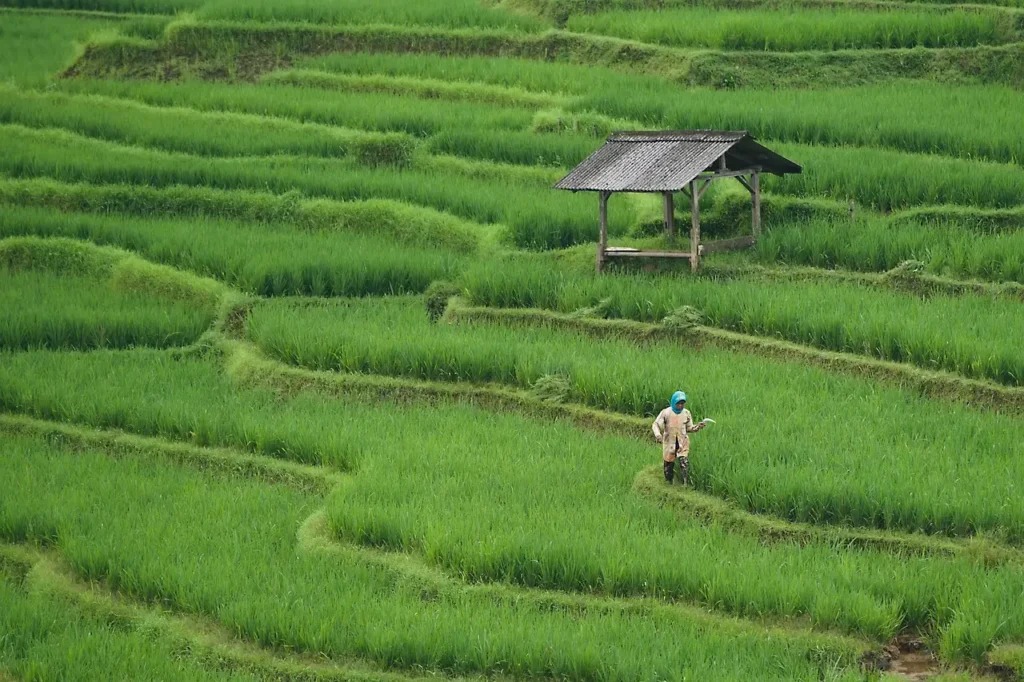
The Japan that stays with you is the other one. Quieter. Harder to find. The kind where a rice farmer waves from a terraced field, or where you end up sitting in someone’s kitchen eating food you can’t name. That’s what makes hidden gems in Japan worth the effort, and why the places below don’t show up on the standard tour circuit.
We asked local guides, farmers, and lifelong residents who know every back road to share the places they’d take their own families. Here are ten that made the cut.
1. A Hidden Onsen in Kiso Valley, Nagano
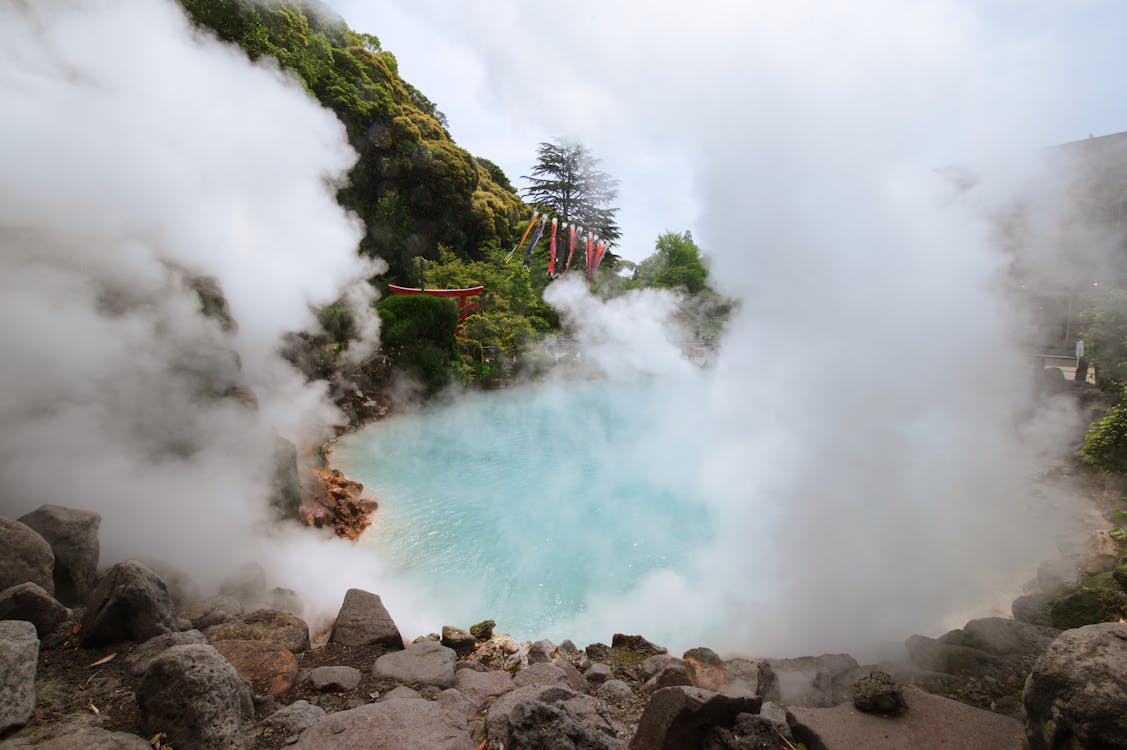
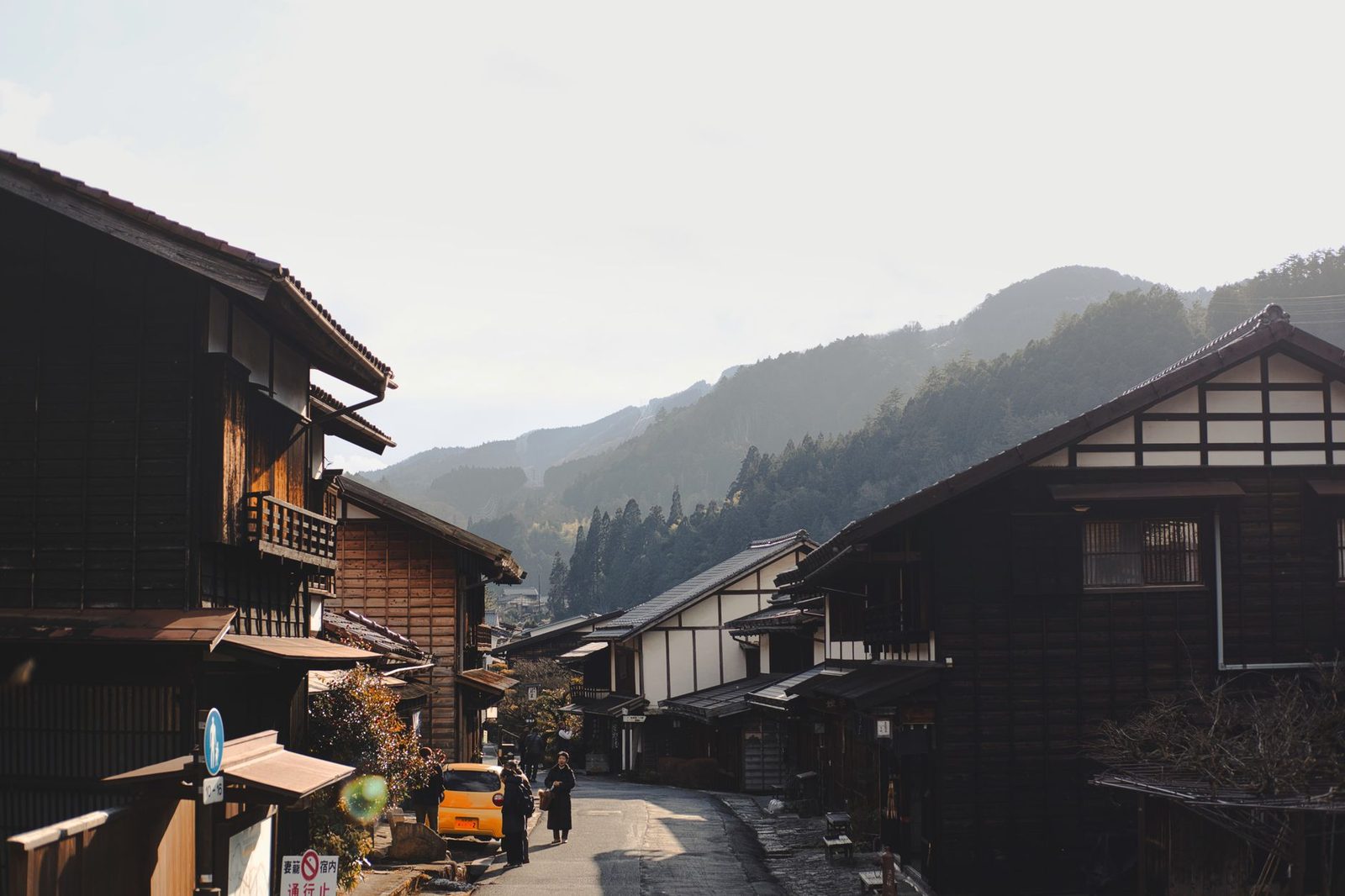
The Kiso Valley sits in the Japanese Alps along the old Nakasendo trail, a mountain route that merchants and samurai walked during the Edo period. Most hikers do the popular Magome-to-Tsumago stretch and stop there. If you keep going to Yabuhara, you’ll find a family-run ryokan where a private onsen looks out over a valley that drops away into forest. No signs. No tour groups. Just steam and the sound of the river below.
The owner brings miso soup in the morning and tells you things about the village that aren’t in any guidebook. That’s worth more than the onsen, honestly, though the onsen is excellent.
Best months: April to May or October to November.
2. The Back Side of Miyajima Island
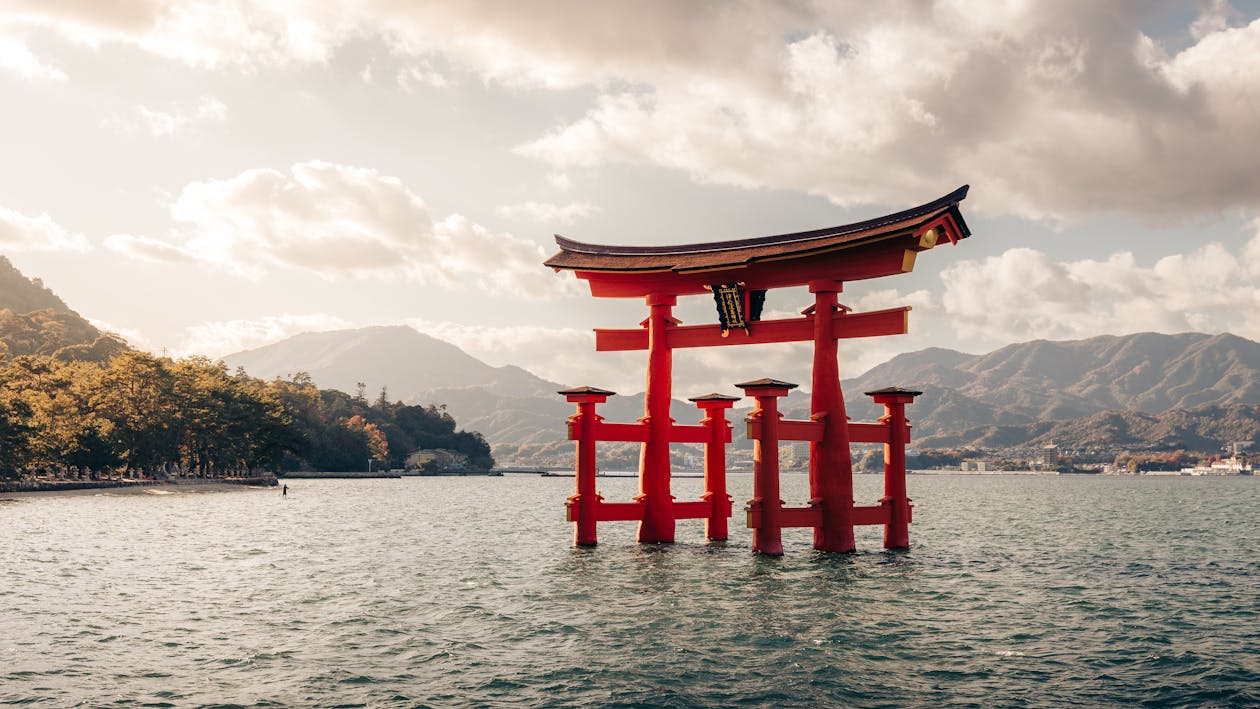
Yes, Miyajima is famous. No, that doesn’t mean you should skip it. It means you should approach it differently.
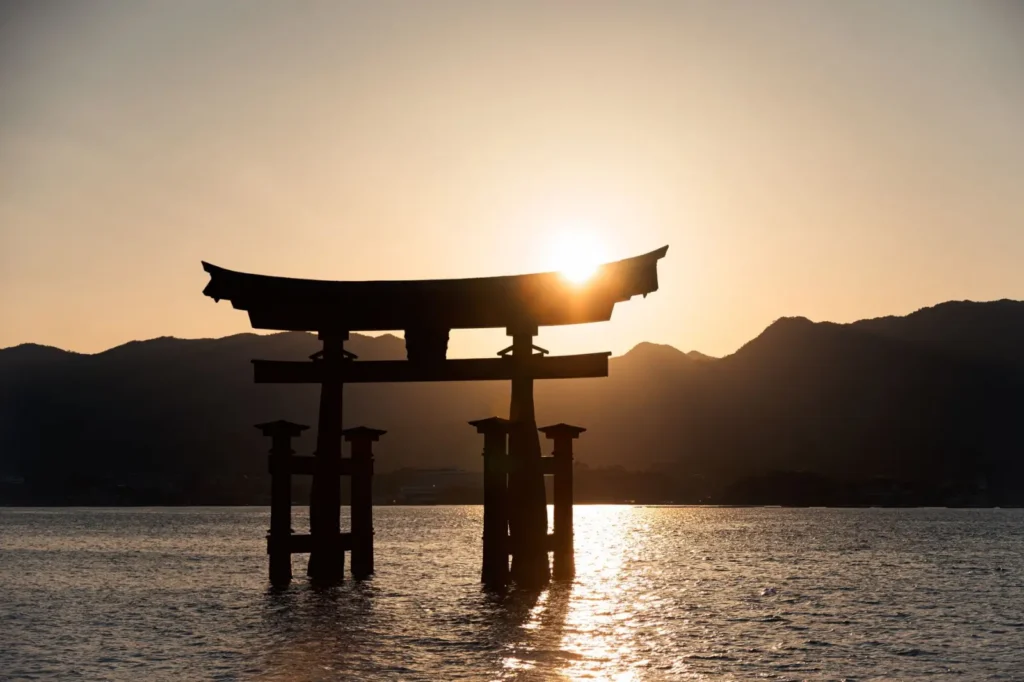
Most visitors come off the main ferry, walk straight to the torii gate, photograph it from three angles, and leave. Locals go early morning via the back alleys off Omote-sando, where you’ll find family sweet shops selling momiji manju (maple-shaped cakes stuffed with red bean paste) and almost no other tourists. From there, stone steps wind up to Daisho-in Temple, one of the more beautiful spots on the island, overlooked because it requires a twenty-minute uphill walk that most people don’t bother with.
Don’t bother at 11am. Go at 6am or late afternoon. The island is a different place at those hours.
Best timing: Weekday mornings in spring or autumn.
3. Satoyama Cycling on Sado Island, Niigata
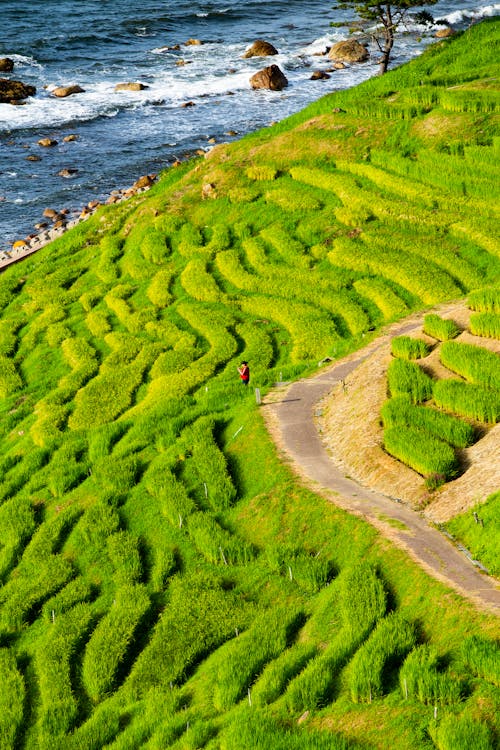
Sado Island sits off the west coast of Honshu, an hour by ferry from Niigata. It was exiled poets and gold miners once. Now it’s artists, nature lovers, and very few foreign tourists.
The thing to do here isn’t the gold mine tour. It’s renting a bicycle and spending the day on the satoyama country roads, narrow paths winding between rice paddies, bamboo groves, and old farmhouses. The cycling itself is easy and mostly flat along the coast. Stop at Kunimi Coffee Farm, run by a former Tokyo office worker who moved here a decade ago to grow organic beans. Order something and sit down. You can see the Sea of Japan from the garden, and if you time it right, there are dolphins.
Best months: May to June (rice planting) or September (harvest golden light).
4. Ouchi-juku: The Edo Village That Kept Going
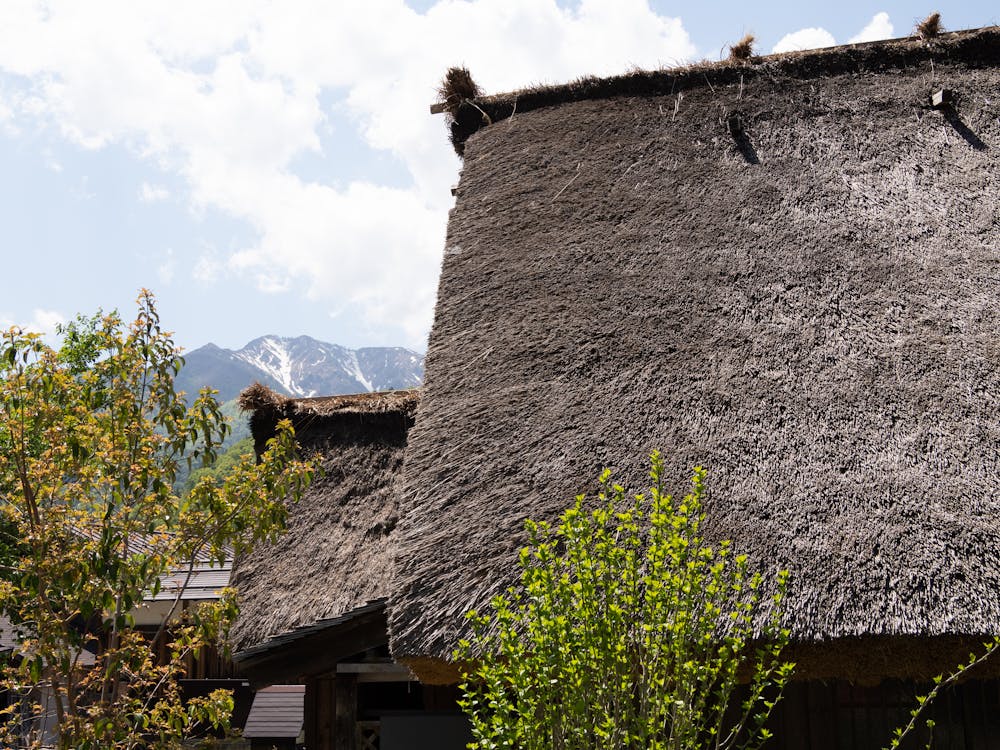
Ouchi-juku in Fukushima looks like a film set. Thatched-roof buildings, no vending machines, no modern signage. It’s been preserved in roughly its 17th-century form since it served as a mountain rest stop for travelers. It doesn’t feel like a museum because it isn’t one. People live and work here.
Try wappa meshi, rice steamed in a cedar box with fermented vegetables and grilled fish. It’s sold from small roadside stalls for a few hundred yen. Humble, warm, and the kind of thing that makes you rethink what “good food” actually requires.
Winter is when Ouchi-juku earns its reputation. Snow blankets the roofs, the lantern festival turns the street amber-gold, and the autumn crowds are gone. Worth the effort to get there in January or February.
Best months: January to February (lantern festival, snow) or late October.
5. Private Tea Picking in Wazuka, Kyoto Prefecture
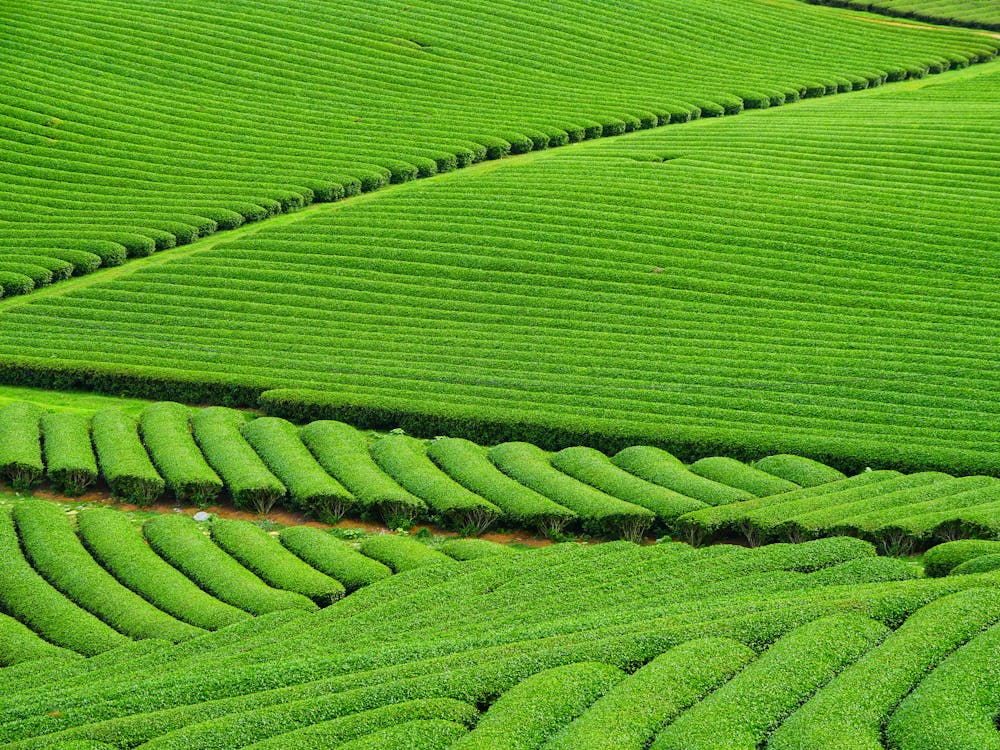
Wazuka is 40 minutes south of Kyoto and produces some of Japan’s finest tencha, the leaf that becomes matcha. Most of the farms don’t advertise. You won’t find them on TripAdvisor.
A fourth-generation farmer here takes small groups for private tea-picking sessions. A morning walking the rows, learning which leaves to take and which to leave, followed by a tasting in his home where he whisks fresh matcha right in front of you. The tea made from leaves you picked that morning tastes unlike anything you’ll buy in a shop. That’s not a sales pitch. It’s just what freshness does.
“The groups who come here, they often don’t know why they feel so calm afterwards. It’s the pace. You pick one leaf at a time. There’s nothing faster than that.”
Wazuka tea farmer, fourth generation
Best months: Late April to early May (first harvest) or October (autumn flush).
6. The Vine Bridges of Iya Valley, Shikoku
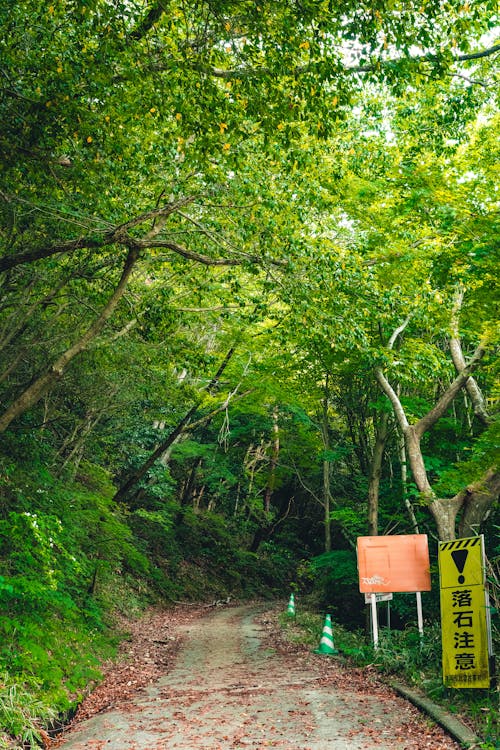
Shikoku is the least-visited of Japan’s four main islands. The Iya Valley, carved by an emerald river into steep gorge walls, is one of those places that feels remote, because it is. The kazurabashi vine bridges connecting the valley sides were built centuries ago, reportedly by defeated Heike clan warriors who needed escape routes they could cut quickly. They sway when you walk them. The drop beneath you is real.
Stay in a minshuku, a family guesthouse, near Oboke Gorge. If you’re lucky, your host will invite you into the kitchen to help make dango-jiru, a hearty dumpling soup with wild herbs gathered from the hillside. Most of the best food in Iya Valley comes from those hillsides.
Best months: Autumn (October to November for foliage) or summer (river cool and green).
7. Sunrise at Tottori Sand Dunes
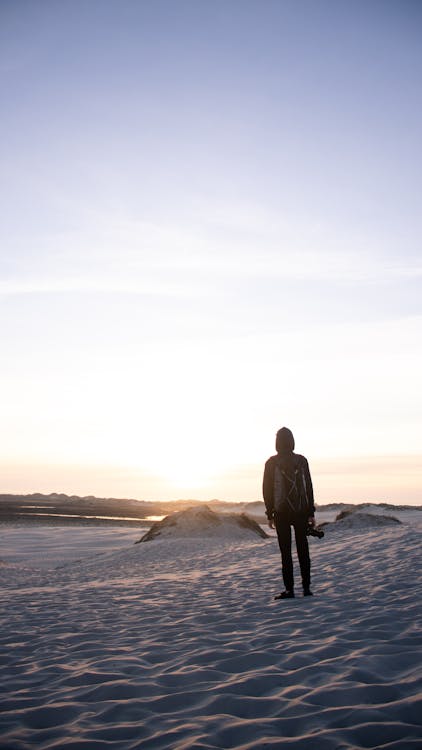
Japan has a sand dune system. Not many people know this. The Tottori Dunes run for 16km along the Sea of Japan coast and reach 90 meters at their highest point. First-time visitors are surprised by the scale.
Most people come midday. Locals go before dawn. Walk barefoot across cool sand as the sun comes up over the water. The only sounds are wind and an occasional bird. Some local guides run informal sunrise meditation sessions out here, Zen-influenced, starting around 5am and ending with buckwheat tea and grilled buns from a beachside stall.
It’s one of those things that sounds slightly contrived until you’re actually standing there. Then it just works.
Best months: March to May or September to November (avoid August midday heat).
8. The Backstreets Behind Nagamachi, Kanazawa
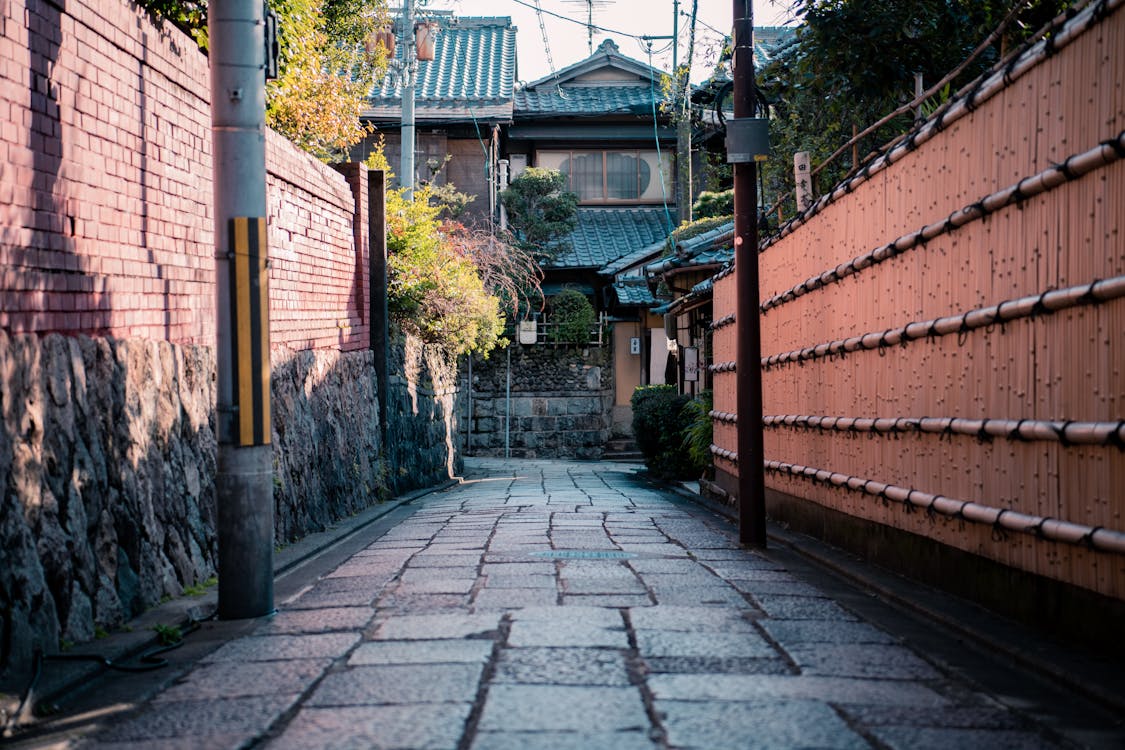
Kanazawa gets called “little Kyoto” and it’s not wrong. Better-preserved samurai districts, excellent gardens, the best fresh seafood market outside Tokyo. But the tourist circuit usually stops at Kenrokuen Garden and the gold-leaf workshops.
The real Kanazawa is in the maze of lanes behind Nagamachi, the former samurai residential area. Here you’ll find teahouses that have been serving locals for generations and aren’t listed anywhere online. Kiku-matsuri, a small seasonal tea house, opens for about three weeks each spring and serves hanami dango (flower-viewing dumplings) and locally brewed sake under blossoming trees. No sign outside. You need someone to take you.
That’s not an elitist thing. It’s just how these places operate. A good local guide makes it possible.
Best months: Early April (cherry blossom season).
9. Yakushima’s Mossy Forest After Rain
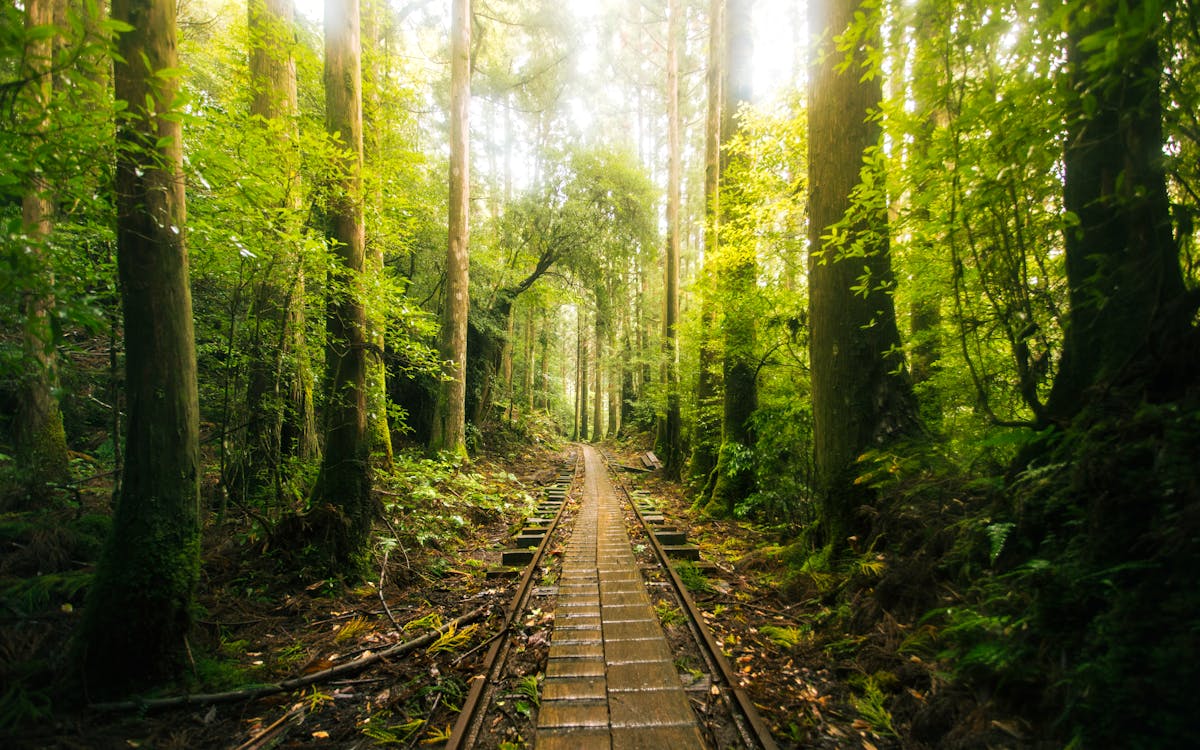
Yakushima island, off the southern tip of Kyushu, is where Studio Ghibli found the visual language for Princess Mononoke. The forest looks exactly as it does in the film. Ancient cedar trees several thousand years old, everything coated in layers of deep green moss, mist moving through the canopy. The site is listed by UNESCO as a World Heritage natural site.
Most visitors hike the main trail to Jomonsugi, the oldest tree on the island. Locals prefer Shiratani Unsuikyo Ravine, where wooden boardwalks float above moss carpets and the crowds are thinner. The trail takes about three hours round trip and doesn’t require a guide, though a guide will point out things you’d otherwise walk straight past.
Go after rain. The forest transforms. Waterfalls swell, the air smells like earth and pine resin, the colors become almost impossible to describe. Bring waterproofs. Stay longer than you planned.
Best months: June to July (lush post-rain season) or October to December (fewer crowds).
10. Salt Farms and Seafood on Awaji Island
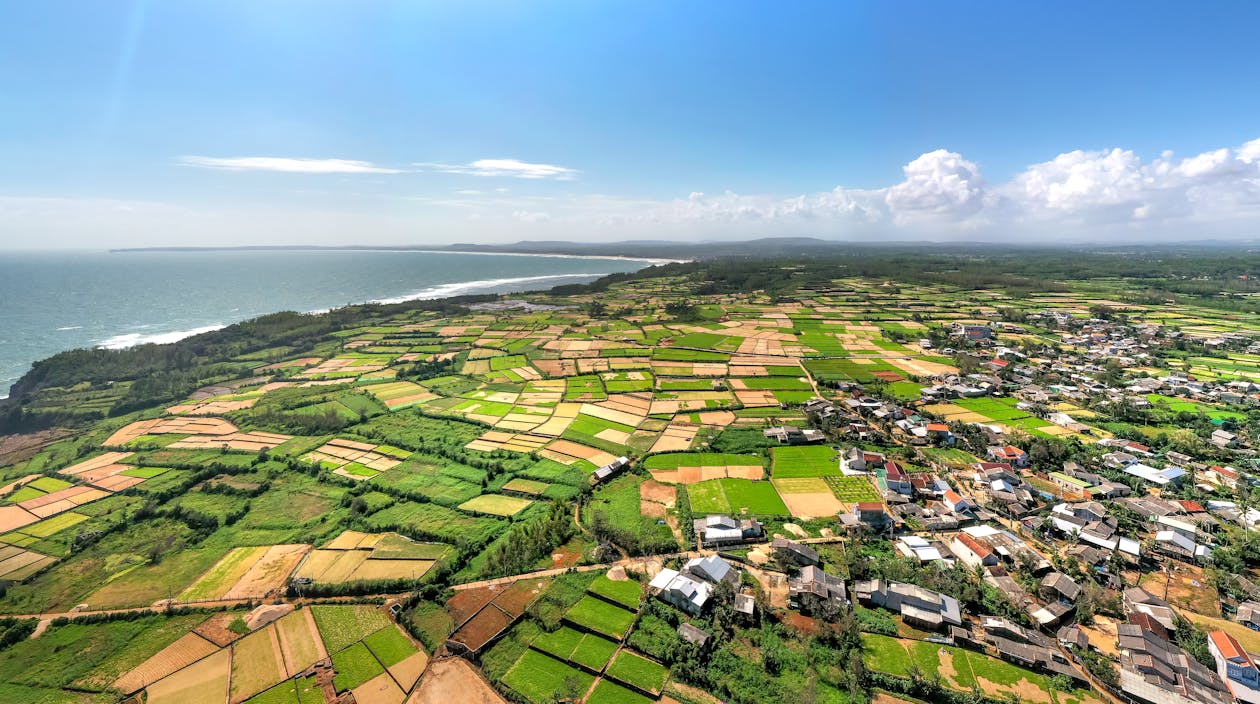
Awaji Island sits in the Seto Inland Sea between Osaka and Kobe, easy to reach, consistently overlooked. It’s known locally for its onions (exceptional) and less known internationally for its coastline, where a few families still harvest sea salt using traditional agehama methods: seawater drawn over raked sand beds, dried by sun and wind, crystallised by hand over several days.
Book a morning salt workshop with one of these families. You’ll come away with a bag of salt you made yourself and a better sense of why Japanese food tastes the way it does. Afterwards, head to Tsukumi Beach where fishermen grill squid, oysters, and sea urchin over open flames at outdoor stalls. Eat with your feet near the water. The sea urchin on Awaji is fresher than most of what’s served in Osaka, 45 minutes away.
Best months: Summer evenings (July to August) for the seafood grills; spring for the salt workshops.
How to Actually Find These Places
Most of these spots don’t have English signage. Some have no signage at all. Restaurants close when the owner decides to close. Teahouses open by invitation only.
That’s the point. These aren’t photo stops. They’re places where Japan operates on its own logic. A local guide doesn’t just provide translation. They provide access. To the farmer who’s known the guide for fifteen years, the teahouse owner who takes new guests only on recommendation, the guesthouse family who cooks better food for people they’ve warmed to.
“The places worth finding in Japan are rarely the ones that advertise themselves. Most of the best moments I’ve had with guests weren’t planned. They happened because we were in the right place, with the right person, at the right time. That’s what a good guide gives you.”
— a Kyoto-based tour guide
Frequently Asked Questions
What are the best hidden gems in Japan for first-time visitors?
Ouchi-juku in Fukushima and Wazuka’s tea fields near Kyoto are both reachable from the main tourist corridor. Both make strong half-day additions to a standard Japan itinerary without requiring a separate trip.
Are Japan’s hidden places hard to reach without a guide?
Some require rural buses with infrequent schedules, ferries, or local knowledge to find. A guide removes most of the logistics and opens doors that simply aren’t available to independent travelers.
When is the best time to visit Japan’s lesser-known spots?
Spring (April to May) and autumn (October to November) are ideal across most regions. Many hidden spots are actually better in these seasons because the main tourist sites absorb most of the crowd pressure.
Is Yakushima worth the travel time to reach?
Yes. It requires a flight or ferry from Kagoshima, which adds time, but Yakushima is genuinely unlike anywhere else in Japan. The ancient cedar forest alone justifies the journey for most travelers who make it.
Can I add Japan’s hidden gems to a standard itinerary?
Yes. Kanazawa fits naturally on the Tokyo to Kyoto shinkansen corridor. The Miyajima back entrance works on any Hiroshima day trip. Wazuka is 40 minutes from Kyoto. Most of these places add hours, not days, to a standard route.
Final Thoughts
The highlights of Japan are famous for good reason. But the country rewards travelers who leave the standard route, even for an afternoon. A cedar box of wappa meshi in Ouchi-juku, a morning of tea-picking in Wazuka, a quiet onsen in Yabuhara. These are the moments that come back to you months later, when the big landmarks have blurred. Add one or two hidden gems to your next Japan trip. See what stays with you.