
Some links in this article may earn ToursZoom a commission at no extra cost to you — see our affiliate disclosure.
Paris rewards the traveler who slows down. Rush through the obvious things to do in Paris in two days and you’ll leave having experienced a very expensive greatest-hits package. Give it four to six days, or build in a proper structured day tour to fill in context you’d otherwise miss, and you start to get what the city is actually about.
This guide covers 20 things genuinely worth your time: the icons that deserve their reputation, the neighborhoods that feel like the real city, and a handful of places most visitors never find. Each entry includes what to expect and how to make it work practically. I’ve been to Paris twice professionally, once on a shoestring and once with a boutique hotel client, so the recommendations cover both ends.
The Iconic Landmarks (Worth the Crowds)
1. The Eiffel Tower
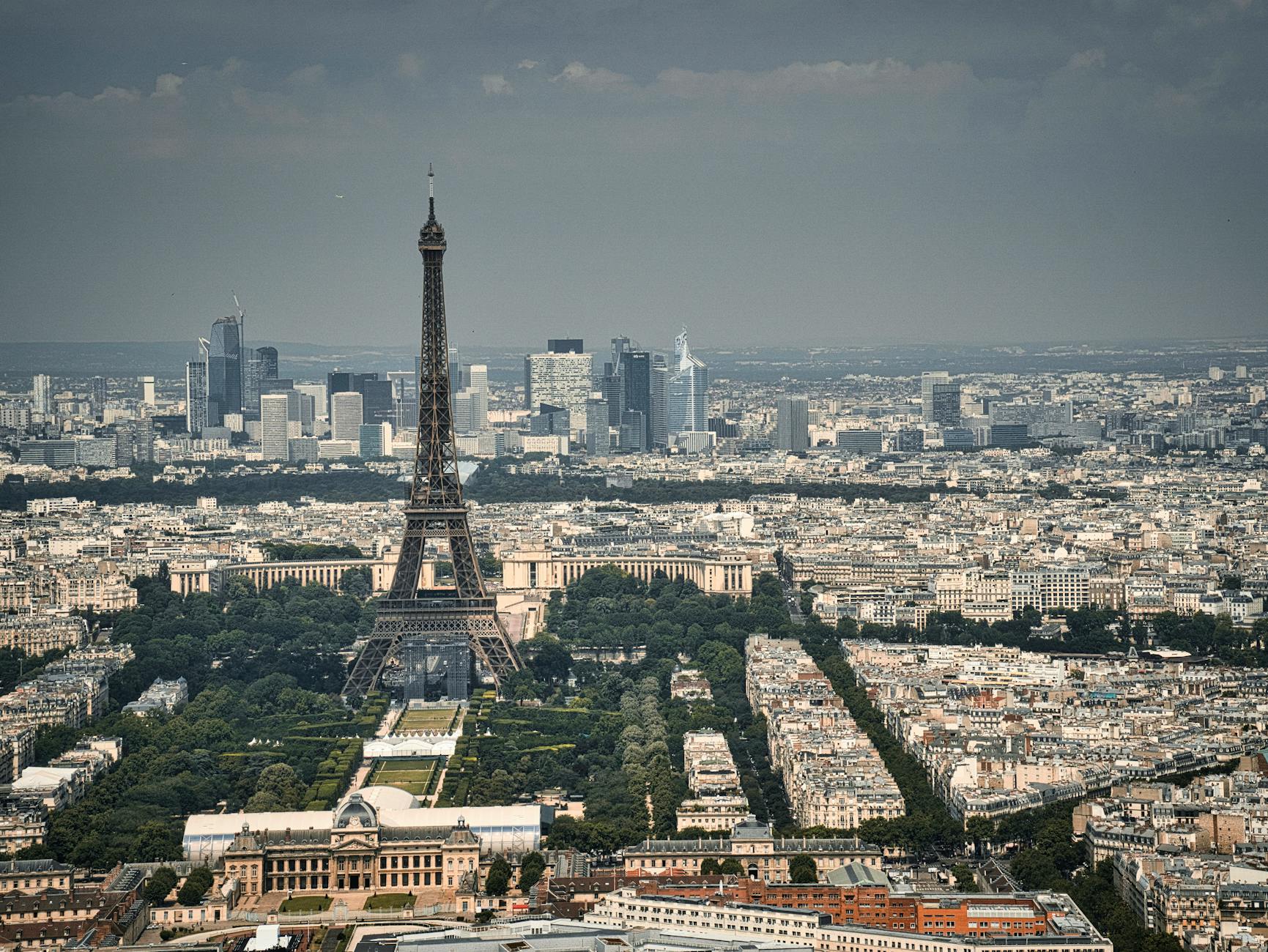
Everyone says skip it because of the queues. Don’t skip it. Buy skip-the-line tickets in advance for the summit (€29.40 adult); the climb itself takes about 45 minutes with time at each level. Evening is better than midday. The sparkle show runs for 5 minutes every hour on the hour after dark. Views from the Champ de Mars below are free and legitimately beautiful.
Practical note: The two tower restaurants (“58 Tour Eiffel” on the first floor, “Le Jules Verne” on the second) require booking weeks ahead. Worth it once, genuinely.
2. The Louvre
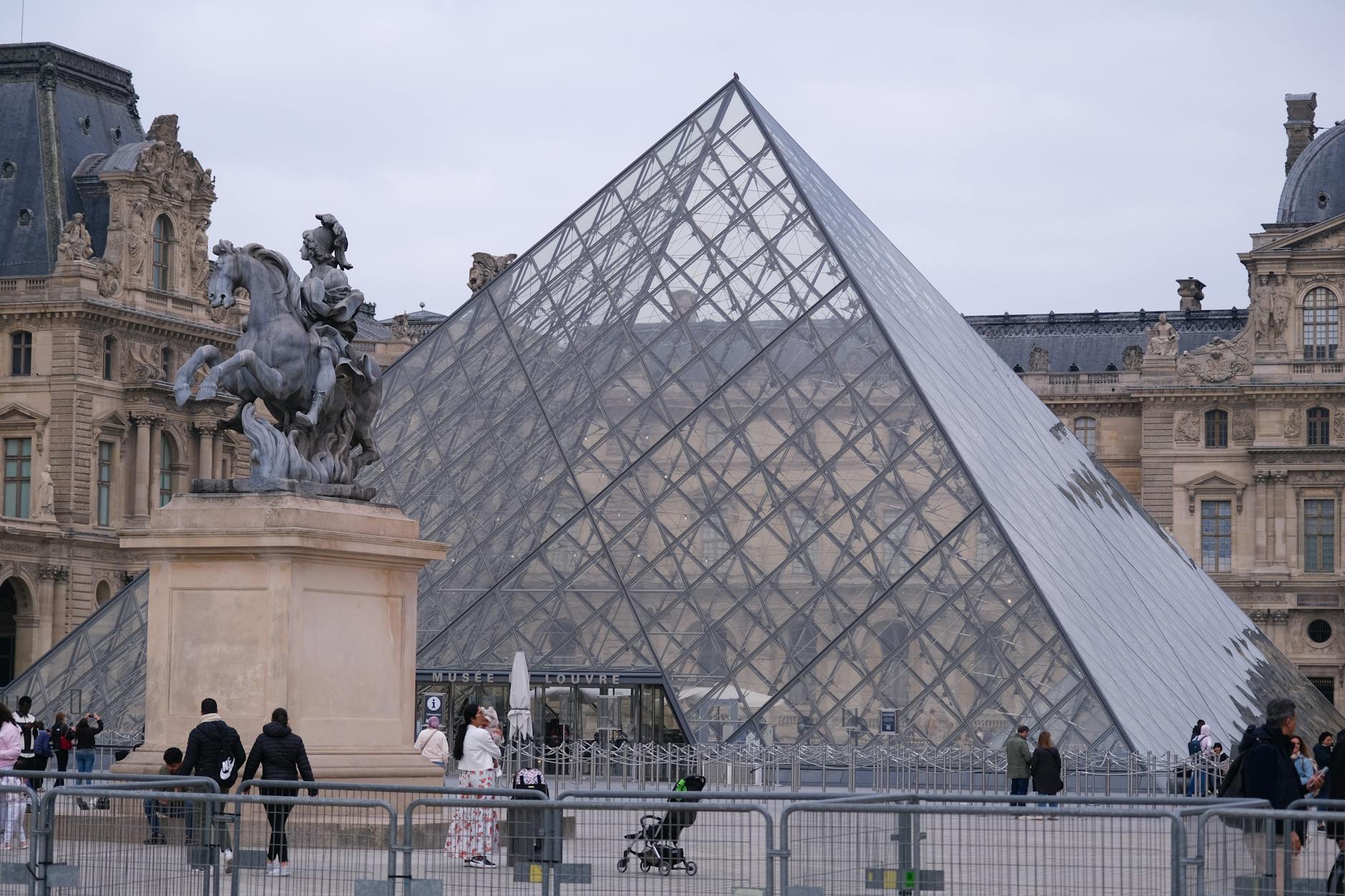
The Louvre holds 380,000 objects. You can’t see all of it in a day. Don’t try. Pick two or three wings that actually interest you: the Egyptian Antiquities, the Italian paintings, or the Greek and Roman sculptures. Go deep rather than broad. The Mona Lisa will be smaller than you expect and surrounded by phones. The Winged Victory of Samothrace is better.
Free admission on the first Friday evening of each month (6 to 9:45pm). Otherwise €22. Book online to skip the pyramid queue.
3. Notre-Dame Cathedral
Restoration from the 2019 fire is ongoing, but Notre-Dame is open to visitors again. The exterior is worth the walk even if interior access is limited. The view from the Île de la Cité, with the cathedral rising above the Seine, is one of the most composed views in Europe. Free entry to the main nave. The cathedral itself is a UNESCO World Heritage site as part of the Paris Banks of the Seine listing.
4. Champs-Élysées and the Arc de Triomphe
The Champs-Élysées is more impressive at night than by day when it’s mostly chain stores and tourist traps. The Arc de Triomphe is the real draw: €13 to climb to the top, where you get a view of all 12 radiating boulevards simultaneously. Worth it. Watching the traffic navigate the roundabout is its own entertainment. Feels like Times Square with better geometry.
5. Palace of Versailles
A half-day minimum, ideally a full day. The Hall of Mirrors, the royal apartments, and the gardens all demand time. Day-trip distance from Paris: 40 minutes by RER C from Gare d’Austerlitz. Arrive when it opens (9am); crowds build sharply after 11am. Passport to Versailles tickets (€20) cover the palace; garden entry is free except on fountain show days.
Art and Culture
6. Musée d’Orsay
The Orsay is the Louvre’s better rival for sheer atmosphere. Housed in a converted railway station, the impressionist collection, Monet, Renoir, Degas, Van Gogh, is one of the most concentrated in the world. The giant clock windows overlooking the Seine are worth the visit alone. €16 entry; Thursdays open until 9:45pm with smaller crowds.
7. Centre Pompidou
The outside of the Pompidou, pipes, escalators, and ducts painted in primary colors on the exterior, is intentional provocation and it still works 50 years later. The modern art collection inside runs from 1905 to the present. The rooftop terrace (free with museum entry, €15) has one of the best panoramic views in the city. Closed Tuesdays.
8. Musée de la Vie Romantique
A genuinely overlooked gem in Montmartre’s lower reaches. Housed in the former studio of painter Ary Scheffer, it was a meeting place for 19th-century writers and artists: Chopin, Delacroix, George Sand. The rose garden and tea house in the courtyard are the draw as much as the collection. Free entry to the permanent collection. It’s never busy.
Neighborhoods Worth Your Time
9. Montmartre
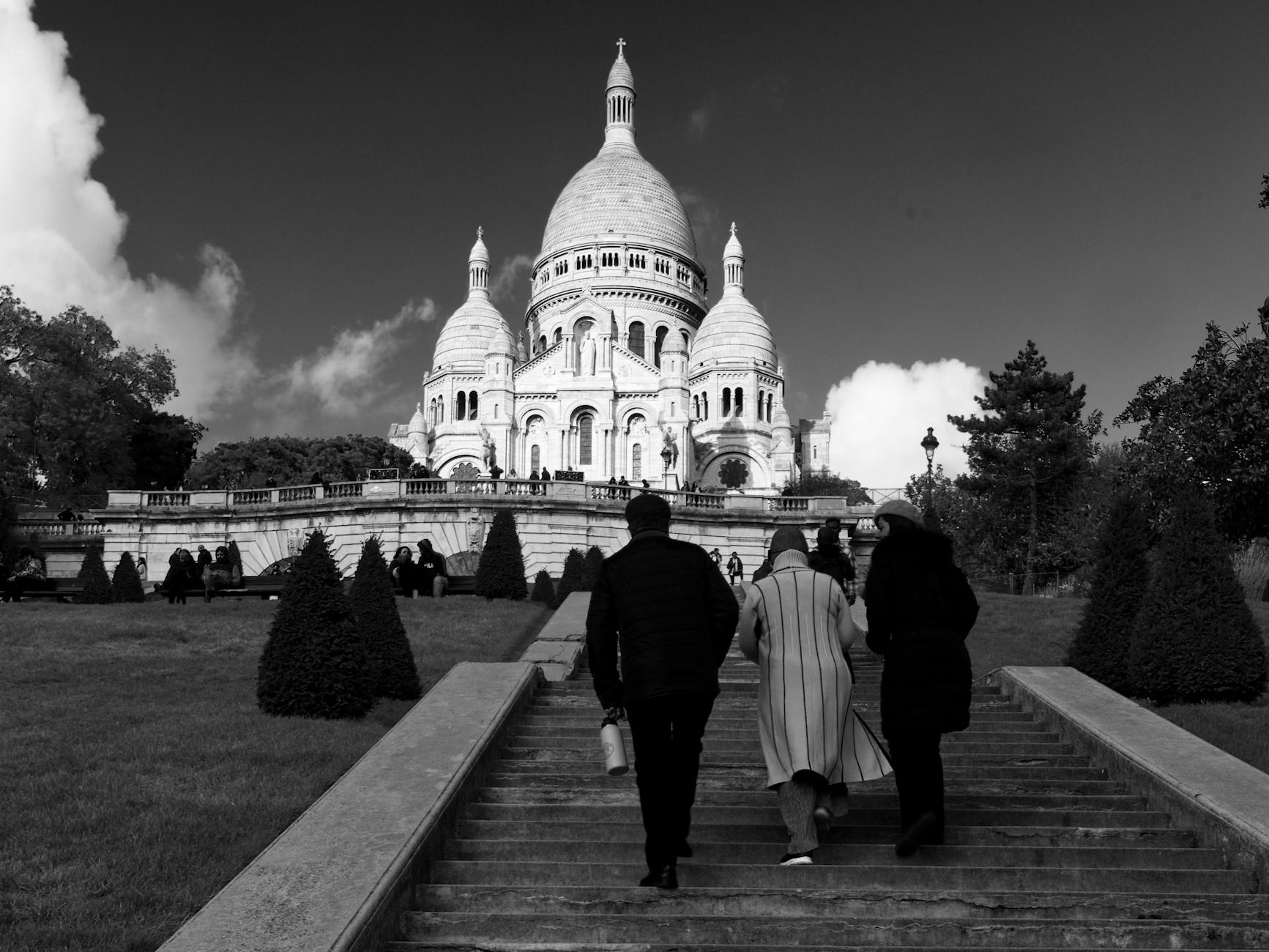
Montmartre at 8am is a different place from Montmartre at noon. The cobblestone streets around Sacré-Cœur are genuinely beautiful before the tourist circuit cranks up. The basilica is free; the views from the steps cover most of northern Paris. Place du Tertre (the square with portrait artists) is chaotic by midday but has its own energy.
Spend time in the streets away from the main circuit: Rue Lepic, the Moulin de la Galette, the vineyard. This is the Paris that gets painted.
10. Le Marais
The Marais covers the 3rd and 4th arrondissements and moves between Renaissance mansions, contemporary galleries, Jewish heritage sites, and some of the city’s best falafel (L’As du Fallafel on Rue des Rosiers). The Place des Vosges, Paris’s oldest planned square, built 1612, is the calm center of it all. Free to enter, benches under the arcades, worth an hour.
Most Marais galleries are closed Mondays. The Musée Picasso is here (€14.50) and generally less crowded than the major museums.
11. Canal Saint-Martin
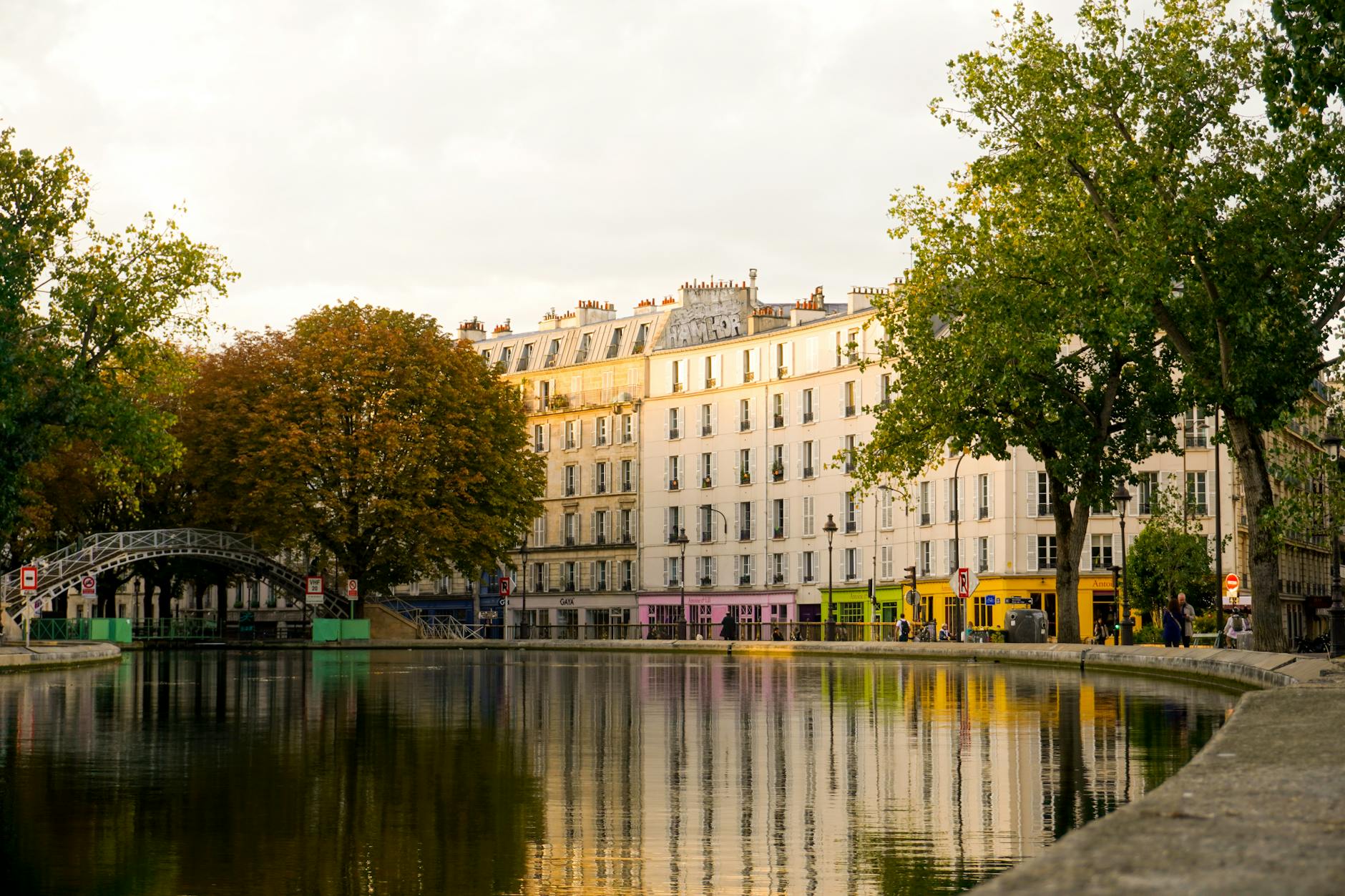
The Canal Saint-Martin is the Paris that Parisians actually use on a Tuesday afternoon. Iron footbridges, tree-lined banks, café terraces, bouquinistes. No major monuments. The neighborhood around it (10th arrondissement) has good restaurants at honest prices and an atmosphere that’s been gentrifying slowly enough to feel real.
Walk the full canal length (about 4.5km) from the Place de la République end south to where it disappears underground. Takes an easy 90 minutes.
12. Belleville
If you want street art, Belleville beats Montmartre for quality. Colorful murals across entire building facades, constantly changing, with an art scene that’s genuinely active rather than a tourist recreation. The Parc de Belleville at the top gives panoramic views that most visitors never find. Come in the afternoon, stay for dinner in one of the neighborhood’s excellent Chinese or Vietnamese restaurants.
Hidden and Local
13. The Covered Passages
Nineteen 19th-century glass-roofed arcades survive in central Paris. Galerie Vivienne (near the Palais-Royal) is the most beautiful: tile floors, ornate shop fronts, a good bookshop. Passage des Panoramas (near the Grands Boulevards) is older and scruffier. Both feel genuinely removed from the city outside. Free to enter; most shops open Tuesday through Saturday.
14. La Petite Ceinture
An abandoned railway line that once circled Paris is now a public walking trail through urban wilderness. Wildflowers grow between old tracks, tunnels lead into darkness, and stretches of the 35km route pass through neighborhoods most tourists never reach. Accessible from multiple entry points in the 15th, 16th, and 20th arrondissements. Free; no signage, which is part of the point.
15. Grande Mosquée de Paris
The Grande Mosquée near the Jardin des Plantes has been one of Paris’s most undervisited beautiful spaces for a century. Moorish architecture, tiled courtyards, geometric gardens. The attached tea house serves mint tea and pastries in a room that feels like a different country. Free to visit the courtyard; €3 for the interior.
16. Luxembourg Gardens
The Left Bank’s main park. Formally laid out, with a large ornamental pond where children still sail wooden boats for hire (€2.50 for 30 minutes). The bees of the Luxembourg are real: there are 30 hives in the garden producing honey sold in the park. Free entry; open from dawn.
Experiences Over Sights
17. A Seine River Cruise at Night
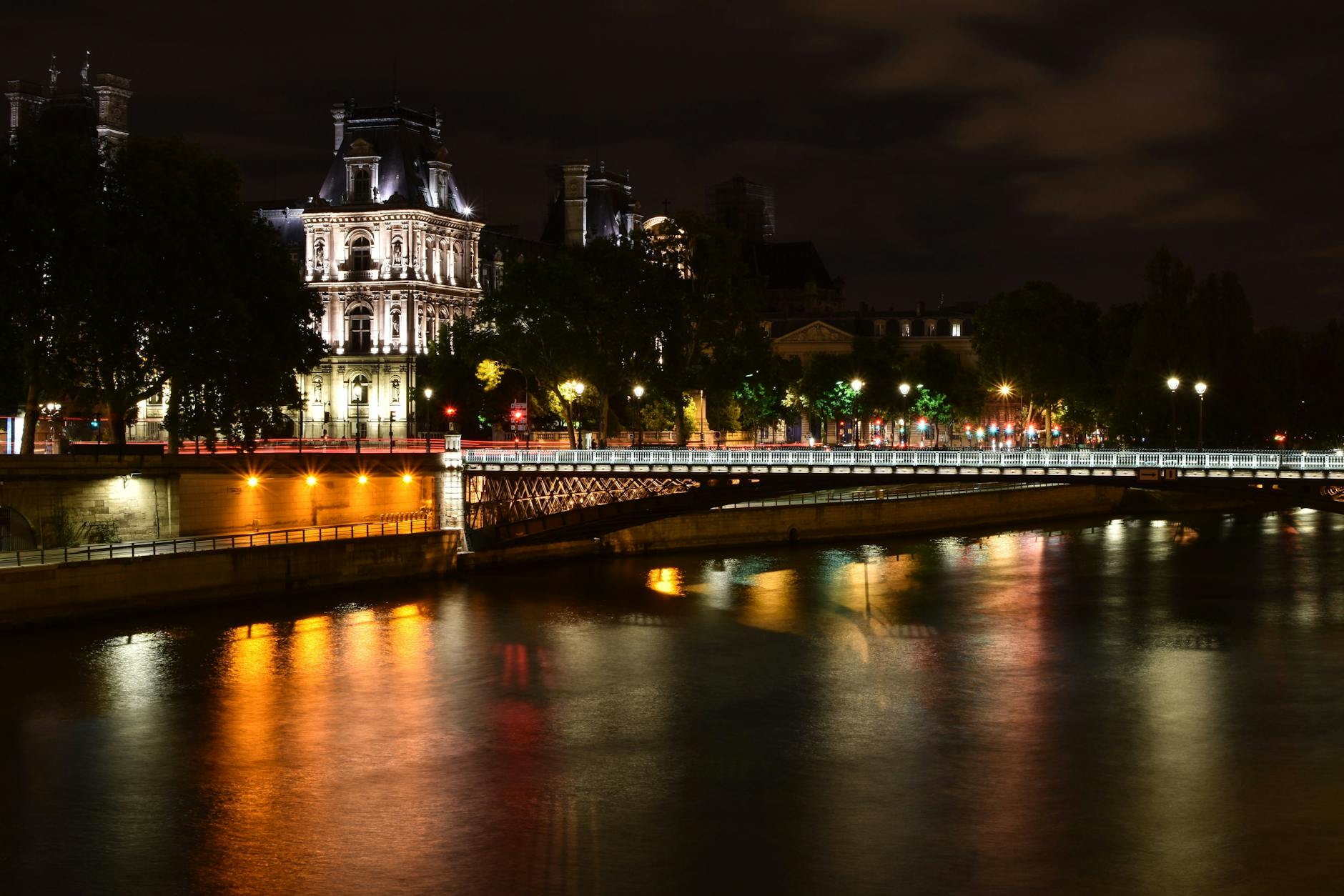
Daytime Seine cruises are fine. The evening version, when the Eiffel Tower sparkles and the bridges glow, is better. Bateaux-Mouches runs one-hour cruises departing from Pont de l’Alma (€17 adult). For dinner cruises, book at least two weeks ahead. A smaller alternative: rent an electric boat from hire points along the canal. No licence required, €50 to €80 per hour for up to 7 people.
18. Moulin Rouge
The Moulin Rouge has been running since 1889 and still fills nightly. It is, genuinely, a spectacle: feathers, cancan, elaborate choreography, the mechanics of a show that’s been refined for over a century. Dinner packages (from €210) are optional. The show-only option (€115 to €135 with a half-bottle of champagne) is the better value. Book weeks ahead.
It’s touristy. It’s also very good.
19. Morning at Rue Cler
Rue Cler in the 7th arrondissement is a pedestrianized market street that runs from morning to early afternoon. Cheese shops, bakeries, wine merchants, a fishmonger. Buy breakfast ingredients, find a bench, and eat with the Eiffel Tower visible at the end of the street. This is the Paris that people who’ve been there a dozen times come back for.
20. Marché aux Puces de Saint-Ouen
One of the world’s largest flea markets, open Saturday through Monday on the northern edge of the city. Fourteen connected markets covering everything from genuine antiques to vintage clothing to 1970s furniture. Arrive early (it opens 9am), eat at one of the market brasseries, and allow three to four hours. Haggling is normal and expected. Take the Metro Line 4 to Porte de Clignancourt.
“Everyone has a Paris list before they arrive. Everyone throws half of it out by day two. The ones worth keeping are the ones you’d do again on a second trip.”
Boutique hotel concierge, 7th arrondissement
Planning Your Paris Visit
Getting around: The Metro covers the entire city; a carnet of 10 tickets (around €17) handles most days. Walking between many sights is feasible. The Louvre to Notre-Dame is 25 minutes on foot.
Best time to visit: April to June and September to October hit the sweet spot between good weather and manageable crowds. July to August is high season with peak prices and queues. January to February is quiet and cheap with cold, clear days that can be beautiful.
Book in advance: Eiffel Tower summit, Louvre timed entry, Versailles, Musée d’Orsay, and the Moulin Rouge all benefit from advance booking. The Orsay and Pompidou are more flexible.
Frequently Asked Questions
How many days do you need in Paris?
Four to six days covers the major landmarks with enough time to wander neighborhoods without rushing. Two to three days is enough for a first visit focused on the top five or six sights; a week lets you explore properly.
What is the best way to avoid crowds at the Louvre?
Book a timed entry online and arrive for the first slot (9am). Alternatively visit on Wednesday or Friday evenings when the museum stays open until 9:45pm and crowds thin after 6pm.
Is Paris worth visiting in winter?
Yes. December through February means smaller crowds at major museums, lower hotel prices, and the city looking genuinely beautiful on clear days. Covered passages, markets, and museums are at their best.
What are the best free things to do in Paris?
Luxembourg Gardens, the covered passages, Canal Saint-Martin, Parc de Belleville, La Petite Ceinture, and exterior views of Notre-Dame. Most national museums offer free first-Sunday-of-the-month entry.
Final Thoughts
Pick your five anchors and build the rest as you go. The Eiffel Tower and the Louvre because you’ll regret skipping them. One neighborhood day in the Marais or Canal Saint-Martin to see how people actually live. One dinner cruise or Moulin Rouge for the spectacle. One morning at Rue Cler that costs almost nothing. That’s the shape of a trip you’ll come back to, not the one you rush through to tick a list.