
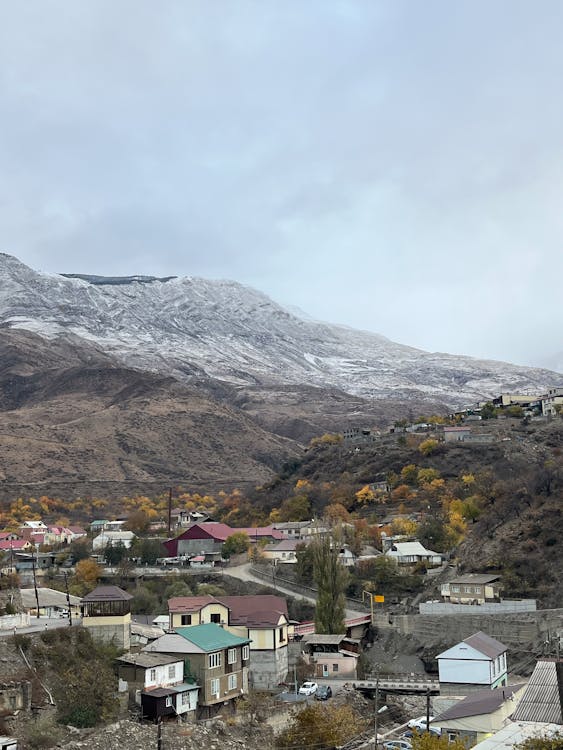
If 2025 was "just get me away," 2026 is something more deliberate. The 2026 tour trends story isn't one destination having a moment. It's travelers shifting away from saturated circuits and choosing places that feel fresh, trips that have a story to them rather than a checklist, and doing their homework before they commit. TourZoom works with 74 verified operators across 13 countries. We see demand patterns shift in real time. Here's what's actually happening in 2026, which destinations are pulling ahead, and the three questions that'll help you pick the right trip for what you actually want.
The 4 Biggest Shifts in Travel Right Now
1. Beyond the crowds is the new flex
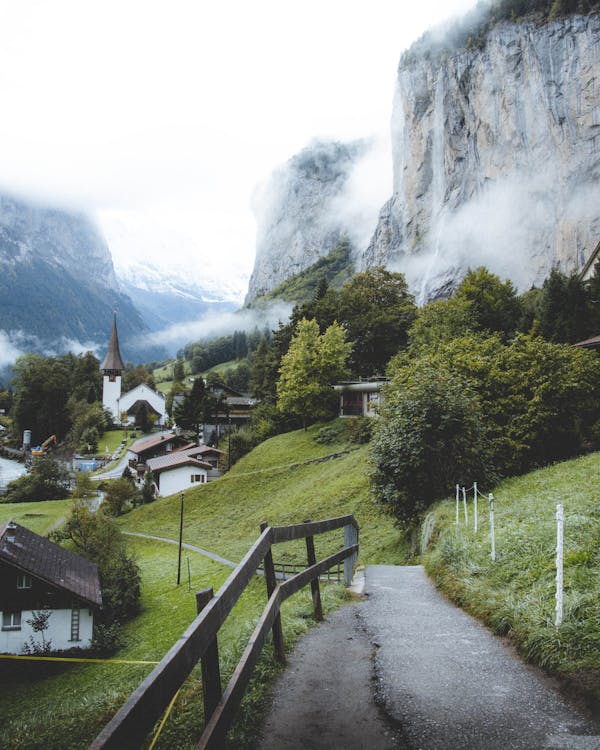 Overtourism fatigue is real and it's changing where people book. Travelers who've done Rome in August or Santorini in July once aren't doing it again. The 2026 pattern, visible across Expedia, Skyscanner, and Booking.com data, shows demand shifting toward destinations that feel authentic rather than saturated.
This doesn't mean skipping iconic countries. It means picking a different region within them. Albania instead of Greece. Georgia instead of Turkey's most-photographed spots. The Douro instead of Tuscany. The experience is often better and the prices are meaningfully lower.
Multi-day tours are a particular fit here. When you're going somewhere less familiar, having a local operator handle transport, permits, and timing removes the risk that comes with going off-grid independently. Most of these emerging routes are searchable directly on our tours page.
Overtourism fatigue is real and it's changing where people book. Travelers who've done Rome in August or Santorini in July once aren't doing it again. The 2026 pattern, visible across Expedia, Skyscanner, and Booking.com data, shows demand shifting toward destinations that feel authentic rather than saturated.
This doesn't mean skipping iconic countries. It means picking a different region within them. Albania instead of Greece. Georgia instead of Turkey's most-photographed spots. The Douro instead of Tuscany. The experience is often better and the prices are meaningfully lower.
Multi-day tours are a particular fit here. When you're going somewhere less familiar, having a local operator handle transport, permits, and timing removes the risk that comes with going off-grid independently. Most of these emerging routes are searchable directly on our tours page.
2. Islands and coastal routes are surging
Destinations that blend outdoor time with slower days, beaches, coastal hikes, boat excursions, good food, and nothing scheduled after 3pm, are pulling serious demand. Okinawa, Sardinia, Phu Quoc, Madeira: these destinations show up on every major 2026 trending list for the same reason. They give travelers permission to do less and enjoy it more. The tour format that fits this best: small-group itineraries with a mix of active mornings and free afternoons. Fixed daily structure kills the appeal. Good operators build flex time in.3. Travelers want pricing transparency before they commit
This one doesn't make headlines, but it's shaping bookings. More travelers, especially on longer, more expensive trips, want to know the real total cost before they book. Not a headline price followed by a long list of exclusions at checkout. Booking.com's 2026 research explicitly flags this: flexibility and upfront clarity are now decision-making factors, not nice-to-haves. Operators who publish what's included and what isn't, with clear cancellation windows, convert more bookings. Marketplaces like TourZoom make this comparison visible, you can see four operators side by side and immediately spot who's including park fees, transfers, and meals and who isn't.4. Second cities are replacing capital-city tourism
The "fly into the capital, see the highlights, fly out" itinerary is losing ground. More travelers are using smaller cities as basecamps for regional loops, spending 7-10 days based in one area rather than sprinting through four countries. Jaipur into Rajasthan. Zadar into Dalmatia. Bilbao into Basque Country. These routes give you depth you can't get from a capital-city sprint, and the experiences tend to be less crowded and more locally inflected.Where TourZoom Operators Are Seeing the Most Demand
Albania, Europe's fastest-rising destination
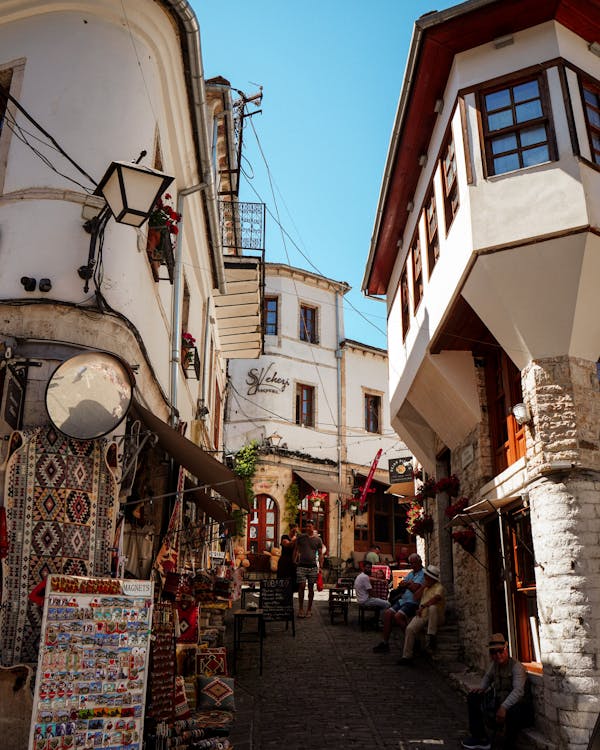 Albania has been on the "about to break through" list for several years. In 2026, it's actually breaking through. Riviera coastline that rivals Greece at a fraction of the price. Gjirokastra, an entire Ottoman-era stone city on a UNESCO list most travelers haven't heard of. National parks that see a fraction of the footfall of comparable parks in neighboring countries. UNESCO lists Gjirokastra alongside Berat as rare surviving examples of Ottoman-era Balkan urbanism.
"We used to have maybe 20-30% international bookings," says Besnik, who runs hiking and cultural tours out of Tirana. "In 2025 it crossed 60%. Americans, British, Germans, people who did the Balkans before but not Albania specifically."
The typical Albania tour runs 7-10 days. It works brilliantly as a standalone trip or combined with Kosovo or North Macedonia for a fuller Balkans circuit.
Albania has been on the "about to break through" list for several years. In 2026, it's actually breaking through. Riviera coastline that rivals Greece at a fraction of the price. Gjirokastra, an entire Ottoman-era stone city on a UNESCO list most travelers haven't heard of. National parks that see a fraction of the footfall of comparable parks in neighboring countries. UNESCO lists Gjirokastra alongside Berat as rare surviving examples of Ottoman-era Balkan urbanism.
"We used to have maybe 20-30% international bookings," says Besnik, who runs hiking and cultural tours out of Tirana. "In 2025 it crossed 60%. Americans, British, Germans, people who did the Balkans before but not Albania specifically."
The typical Albania tour runs 7-10 days. It works brilliantly as a standalone trip or combined with Kosovo or North Macedonia for a fuller Balkans circuit.
Georgia (Caucasus), wine, mountains, and genuine hospitality
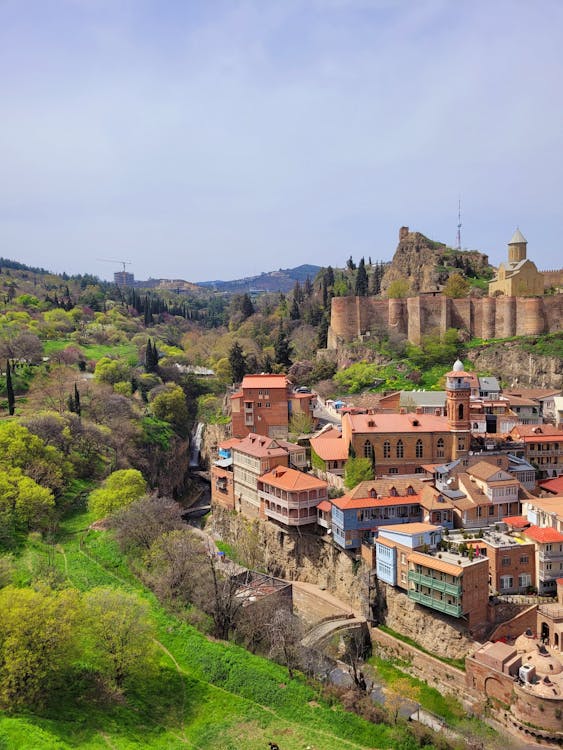 Georgia sits between Europe and Asia and doesn't quite resemble either. Tbilisi's old town, balconied wooden houses stacked up a hillside, Orthodox churches alongside Soviet-era architecture, some of the best natural wine in the world poured from clay vessels, is unlike anywhere else in the region.
Outside Tbilisi: the Caucasus mountains (with ski villages and ancient monasteries), the wine-producing Kakheti valley, and cave cities cut into limestone cliffs. It's all reachable in 7-10 days without pushing the pace.
Demand is being driven partly by Georgia's relatively low cost compared to Western Europe and partly by genuine word of mouth, travelers who go there come back talking about it. "The repeat booking rate is higher than anywhere else I run," says Nino, who's been leading wine and culture tours out of Tbilisi since 2019. "People come, they tell their friends, their friends book."
Georgia sits between Europe and Asia and doesn't quite resemble either. Tbilisi's old town, balconied wooden houses stacked up a hillside, Orthodox churches alongside Soviet-era architecture, some of the best natural wine in the world poured from clay vessels, is unlike anywhere else in the region.
Outside Tbilisi: the Caucasus mountains (with ski villages and ancient monasteries), the wine-producing Kakheti valley, and cave cities cut into limestone cliffs. It's all reachable in 7-10 days without pushing the pace.
Demand is being driven partly by Georgia's relatively low cost compared to Western Europe and partly by genuine word of mouth, travelers who go there come back talking about it. "The repeat booking rate is higher than anywhere else I run," says Nino, who's been leading wine and culture tours out of Tbilisi since 2019. "People come, they tell their friends, their friends book."
Turkey, shoulder season is the sweet spot for 2026
Turkey has been one of TourZoom's core markets since launch, and the pattern in 2026 is clearer than ever: shoulder season (April-May, October-November) is pulling more bookings than peak summer. Fewer crowds at Cappadocia balloon launches. Cooler hiking temperatures through Ephesus. Prices 20-30% below July and August rates. Operators are responding by adding more shoulder season departures. If Turkey is on your list, spring or autumn isn't the consolation prize. It's the better trip.Kenya and East Africa, demand is strengthening, not softening
Post-2024 travel demand to Kenya has not retreated. If anything it's climbing. The Great Migration, Amboseli's elephant herds, Laikipia's private conservancies, these are experiences travelers rank among the best of their lives, and word of mouth keeps driving new bookings. Book early. Peak-season Kenya safari tours sell out 3-4 months ahead. If you're planning the Migration river crossings (July-September), April is not too soon.How to Pick Your 2026 Trip Without Overthinking It
Stop asking "what's the #1 destination for 2026" and start with one question instead: What do I want my days to feel like?- Active mornings, slower afternoons, good food: Albania's coast, Turkey's Aegean, the Douro valley. Small-group cultural or adventure tours in the 7-10 day range.
- Big nature, big scenery: Iceland (still unmatched for landscapes), Georgia's Caucasus highlands, Kenya's national parks. Go with a guide, these places reward expertise.
- Genuine cultural depth, less tourist infrastructure: Albania, Georgia, Egypt's Nile corridor. All three are better with a local operator who knows which restaurants, which villages, and which routes aren't in the guidebook yet.
Frequently Asked Questions
What are the biggest travel trends in 2026?
The dominant trends are avoiding overtouristed destinations in favor of emerging alternatives, slower itineraries with more depth per destination, transparent all-inclusive pricing, and shoulder-season travel for better experiences at lower cost.
What are the best emerging destinations for 2026?
Albania, Georgia (Caucasus), and shoulder-season Turkey are the standout emerging destinations for multi-day tours. For island and coastal travel, Madeira and the Douro region in Portugal show consistent booking growth.
Is it better to book a tour or travel independently in 2026?
For emerging destinations (Albania, Georgia, Egypt, Kenya), a local guided tour removes logistics risk and gets you to experiences you'd miss independently. For well-documented destinations, independent travel is fine though tours often outperform on cultural depth.
Which destinations should I book early for 2026?
Kenya's Great Migration season (July-September) requires booking by April. Japan cherry blossom tours (late March-April) fill by November. For Iceland and Georgia, 3-4 months ahead is the minimum for the best operators and accommodation tiers.
How do I avoid overtourism in 2026?
Travel shoulder season, choose second cities over capitals, and look for operators who run small-group departures (under 16 people) through less-visited areas. Formats like small-group cultural tours naturally keep group sizes contained.