

Some links in this article may earn ToursZoom a commission at no extra cost to you — see our affiliate disclosure.

I spent twelve years running hotels. Part of the job is watching how other operators in the travel chain perform, because when your transfer doesn’t show at 11pm, the hotel front desk is where the complaint lands. You learn fast who the reliable tour operators are and who’s going to cause you problems. That experience is the reason I care about how to choose a tour operator at all.
Choosing badly costs money. It also costs the one thing travel is supposed to give you: a trip that feels worth the time you put into it. This is a practical vetting checklist you can run before you pay a deposit.
The World Tourism Organization estimates international tourist arrivals hit 1.4 billion in 2024, and a growing share of those travelers rely on guided experiences. Yet fewer than 40% of tour operators worldwide hold formal accreditation from a recognized tourism authority.
Why Vetting Your Tour Operator Matters


The stakes of choosing the wrong operator go beyond a disappointing day. Financial losses from tour operator failures range from hundreds to thousands of dollars. The Association of British Travel Agents reported that complaints against tour operators rose 18% between 2023 and 2025, with misleading descriptions, hidden fees, and last-minute cancellations topping the list.
“We see travelers make the same mistakes repeatedly,” says Kerem, a veteran Istanbul-based operator with over 15 years running cultural tours. “They book based on price alone, skip reading cancellation policies, and don’t verify whether the operator actually holds a license.”
During ToursZoom’s vetting process, roughly 1 in 5 operators submitted for listing failed to meet basic licensing and insurance requirements. That number alone explains why this research matters.
The 10-Step Tour Operator Vetting Checklist

Step 1: Verify Licensing and Registration
Every legitimate tour operator should hold a valid license or registration from a national or regional tourism authority. In the EU, operators must comply with the Package Travel Directive (2015/2302). In Kenya, the Tourism Regulatory Authority maintains a public register. Turkey’s Ministry of Culture and Tourism publishes its own searchable database.
What to do: Ask for the operator’s license number and verify it directly with the issuing authority. Most tourism boards maintain searchable online databases. It takes five minutes.
Step 2: Confirm Insurance Coverage
A reputable tour operator carries public liability insurance at minimum, and ideally professional indemnity insurance as well. This protects you if something goes wrong during the tour: vehicle accidents, operator insolvency, activity injuries.
What to do: Ask for proof of insurance. Confirm the policy is current and covers the specific activities in your itinerary. For adventure activities (climbing, diving, white-water rafting), verify the insurance explicitly covers those pursuits. Some policies exclude them.
Step 3: Analyze Reviews Across Multiple Platforms
Reviews are your most powerful vetting tool, but only when used correctly. A single platform can be misleading. Operators can solicit positive reviews on one site while negative feedback accumulates elsewhere.
What to do: Check at least three platforms: TripAdvisor, Google Reviews, and one niche travel site (SafariBookings for Africa, Japan Guide for Japan). Look for patterns rather than individual reviews. Pay close attention to how the operator responds to negative feedback.
Review analysis framework:
- Volume: Operators with fewer than 20 reviews may not have enough data for reliable assessment
- Recency: Prioritize reviews from the last 12 months
- Specificity: Detailed reviews mentioning guide names, specific locations, and timelines are more trustworthy than generic five-star ratings
- Response pattern: Operators who respond thoughtfully to criticism demonstrate accountability
Step 4: Examine Cancellation and Refund Policies
Cancellation policies reveal an operator’s confidence in their product and their respect for customers. Vague or overly restrictive policies are a warning sign.
What to do: Read the full cancellation policy before booking.
Step 5: Assess Group Size Limits
Group size directly affects your experience quality. Larger groups mean less personal attention, longer wait times, and a more impersonal experience. They also mean lower per-person costs.
What to do: Ask for the maximum group size, not just the average. Confirm whether the tour runs with a small number of bookings (minimum group size). Ask what the guide-to-guest ratio is.
Recommended group size benchmarks:
| Tour Type | Ideal Max Size | Acceptable Max |
|---|---|---|
| Walking / food tours | 8-10 | 12 |
| Cultural / historical | 10-12 | 15 |
| Adventure / active | 6-8 | 10 |
| Safari / wildlife | 4-6 | 8 |
| Photography tours | 4-6 | 8 |
Step 6: Evaluate Guide Qualifications

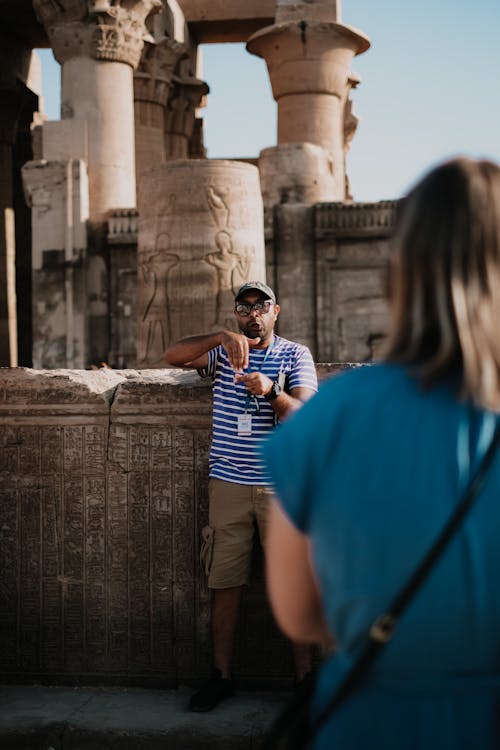
Your guide is often the single biggest factor in tour quality. Professional guides hold recognized qualifications, speak relevant languages fluently, and carry deep local knowledge that no app can replicate.
What to do: Ask about guide qualifications. Look for:
- National or regional guide certification
- First aid certification (essential for adventure tours)
- Language proficiency
- Years of experience in the specific region
Key stat: According to the World Federation of Tourist Guide Associations, certified guides deliver measurably higher satisfaction scores. TripAdvisor data shows tours with explicitly named, certified guides average 4.6 stars versus 4.1 stars for those without guide details listed.
Step 7: Test Responsiveness and Communication
How an operator handles your pre-booking inquiries is a reliable predictor of how they’ll handle problems during your trip. Slow, vague, or dismissive communication before you’ve paid is unlikely to improve after.
What to do: Send a specific question via email or their contact form before booking. Measure:
- Response time: Under 24 hours is good, under 4 hours is excellent
- Quality: Does the response actually answer your question?
- Tone: Professional, helpful, and specific, not generic or pushy
Step 8: Demand Pricing Transparency
The quoted price should include everything you need to participate. Hidden fees erode trust and inflate the actual cost after you’ve committed.
Step 9: Check Safety Certifications and Protocols
Safety standards vary dramatically between countries, and between operators within the same country. This step is especially critical for adventure tours, water-based activities, and tours in remote areas.
What to do: Ask about:
- Vehicle maintenance schedules and safety records
- Guide-to-guest ratios for adventure activities
- Emergency procedures and communication equipment
- Compliance with local safety regulations
- Whether safety briefings are conducted before activities
Step 10: Evaluate Sustainability Practices
Responsible tourism isn’t a nice-to-have anymore.
What to do: Look for:
- Membership in recognized sustainability programs (Travelife, Green Tourism, EarthCheck)
- Specific environmental policies (waste reduction, carbon offsetting)
- Community engagement (hiring local guides, supporting local businesses)
- Wildlife interaction policies, no riding elephants, no touching wild animals
Red Flags: 8 Warning Signs to Walk Away

| Red Flag | Why It Matters |
|---|---|
| No verifiable license or registration number | Unlicensed operators have no accountability to tourism authorities |
| Pressure to book immediately (“price expires today”) | Legitimate operators don’t use high-pressure sales tactics |
| No cancellation policy or “no refunds under any circumstances” | Indicates inexperience or unwillingness to stand behind their product |
| Stock photos only, no real tour photos | Suggests the operator may not actually run the tours they advertise |
| Can’t name their guides or provide qualifications | Raises questions about guide quality and use of subcontractors |
| Prices significantly below market average with no explanation | Unsustainably low prices often mean corners cut on safety or guide quality |
| No physical address or verifiable business registration | Makes it difficult to pursue complaints or refunds |
| Negative review patterns mentioning safety concerns | Safety complaints are absolute deal-breakers. Don’t rationalize them |
Green Flags: 8 Signs of a Quality Operator
| Green Flag | What It Signals |
|---|---|
| Proactively shares license and insurance details | Transparency and regulatory compliance |
| Detailed, fair cancellation policy published on website | Confidence in their product and respect for customers |
| Responds to negative reviews constructively and specifically | Accountability and commitment to improvement |
| Provides named guides with visible qualifications | Investment in human capital and tour quality |
| Transparent, all-inclusive pricing with clear inclusions list | Honesty and customer-first approach |
| Active sustainability certifications or memberships | Long-term thinking and responsible business practices |
| Sends pre-tour communication (packing lists, meeting point, what to expect) | Operational maturity and genuine customer care |
| Consistent 4.5+ rating across multiple platforms | Reliable quality verified by independent travelers |
How ToursZoom Vets Operators

ToursZoom applies this same checklist, and more, to every operator before they’re listed on the platform. The vetting process covers:
- License verification, direct confirmation with the relevant national tourism authority
- Insurance validation, current policy documentation reviewed
- Review audit, cross-platform analysis covering TripAdvisor, Google, and niche sites
- Communication test, response time and quality assessment
- Pricing review, comparison against market rates for the same destination and tour type
- Safety documentation, review of safety protocols and certifications
Any operator worth booking should clear every step of a process like this. The marketplace model means you benefit from institutional vetting rather than having to conduct this research yourself for every operator you consider.
Frequently Asked Questions
How do I verify a tour operator’s license?
Contact the national tourism authority where the operator is based. Most maintain searchable online databases. Kenya’s Tourism Regulatory Authority, Turkey’s Ministry of Culture and Tourism, and Japan’s Tourism Agency all publish licensed operator lists.
How many reviews should a tour operator have before I trust them?
A minimum of 30 reviews across at least two platforms provides a reasonable basis for evaluation. Review quality matters more than quantity. Detailed, specific reviews from the last 12 months beat a high volume of vague, older ratings.
Is the cheapest tour operator always a bad choice?
Not automatically, but prices significantly below market average warrant investigation. When a price sits far below the market average, the gap usually comes out of something — guide experience, inclusions, or safety.
Should I book directly with the operator or through a marketplace?
Both work. Direct booking may offer slightly lower prices. A vetted marketplace adds a quality assurance layer, easier comparison, and better dispute resolution. A 2025 Phocuswright study found marketplace bookers reported 28% fewer negative experiences.
What should I do if a tour operator cancels my booking?
Review the operator’s cancellation policy for their stated obligations. In the EU, the Package Travel Directive requires a full refund if the operator cancels. Document all communication and escalate to the tourism authority if needed.
Can I trust reviews on the operator’s own website?
Treat operator website reviews with caution. They’re curated. Always verify on independent platforms (TripAdvisor, Google Reviews, Trustpilot). A significant discrepancy between website reviews and independent platforms is itself a red flag.
What recourse do I have if a tour doesn’t match its description?
Document discrepancies with photos, videos, and written notes. Contact the operator in writing within 48 hours citing specific differences. If unresolved, file complaints with the tourism authority, your credit card company, and review platforms.
Final Thoughts
Ten steps sounds like a lot. In practice, you can run this checklist in under an hour per operator, and by the time you’ve done two or three, you’ll know the signs on sight. The question isn’t whether you have time to vet a tour operator. It’s whether you have time to fix a trip that’s already gone wrong. I’ve watched hotel guests try, and it almost never works out in their favor.