
Some links in this article may earn ToursZoom a commission at no extra cost to you — see our affiliate disclosure.
Last updated: April 2026
First-timers on the Douro will find one of Europe’s most rewarding river routes — compact ships, dramatic scenery, excellent wine, and shore excursions that reach places road travel barely can. The key decisions are choosing the right season, understanding what a full itinerary covers, and knowing which stops are worth prioritizing.
- What Makes the Douro Different from Other River Cruises
- What a Typical Itinerary Covers
- The Stops Worth Knowing Before You Go
- Port Wine and Quinta Visits: What to Expect
- Practical Tips for First-Timers
- Common First-Timer Mistakes
- Frequently Asked Questions
What Makes the Douro Different from Other River Cruises
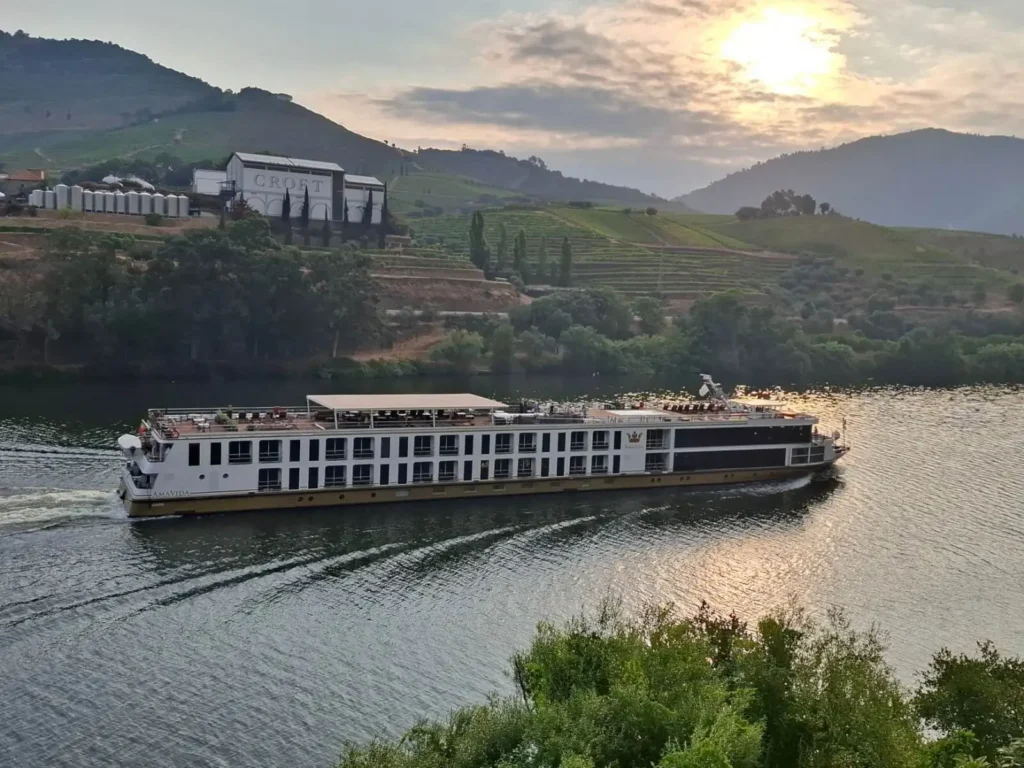
The Rhine, the Danube, and the Seine are the dominant names in European river cruising — long routes through multiple countries, with large fleets, high passenger numbers, and well-worn itineraries. The Douro is a different proposition. The river runs through a narrow, steep-sided valley in northeastern Portugal, and ships are small by necessity: the locks and the width of the river limit vessel size to around 80–130 passengers.
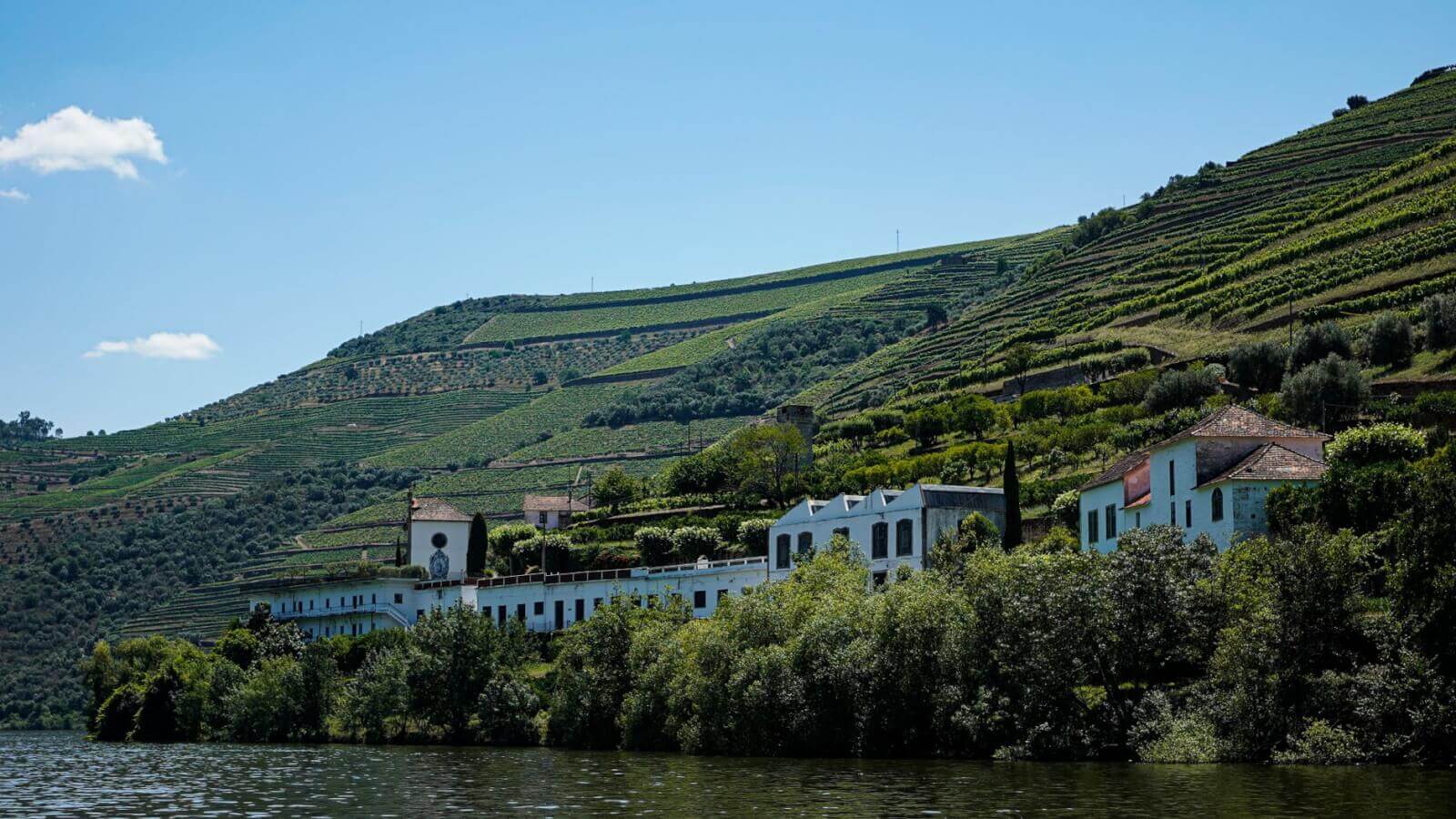
That scale changes the feel of the trip considerably. Excursions are more intimate. Quinta visits feel like arrivals at someone’s farm rather than a ticketed attraction. The valley has no major cities after Porto — just wine country, villages built from schist stone, and a landscape that has changed remarkably little since the 18th century when the Douro was first demarcated as a wine region.
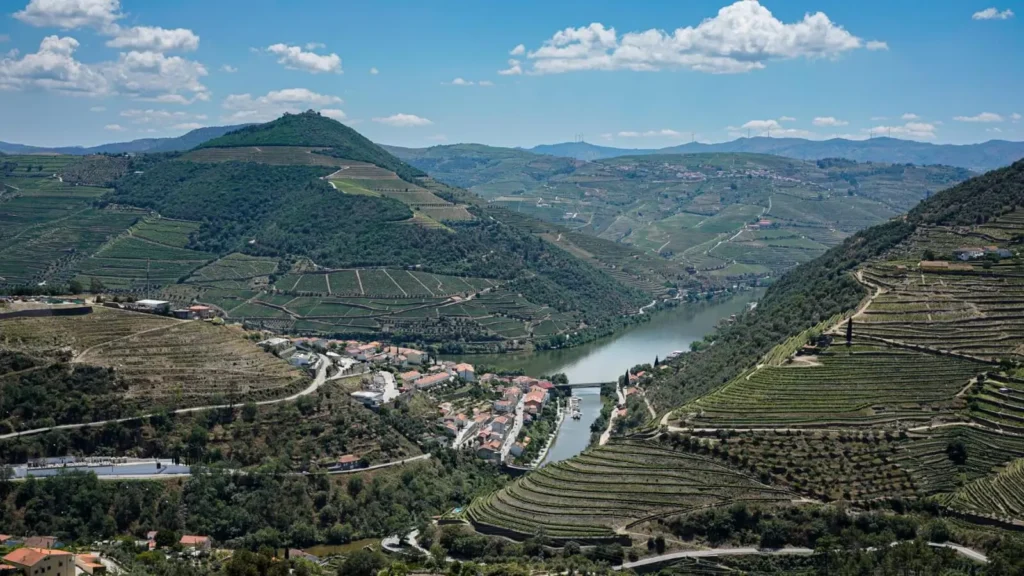
The Douro is also a genuinely scenic route in a way that few river itineraries can match. The UNESCO World Heritage designation covers the entire valley’s cultural landscape — the terraced vineyards, the historic quintas, the way human effort has shaped what was otherwise near-vertical schist hillside into productive farmland over two thousand years.
What a Typical Itinerary Covers
A standard Douro cruise runs 7–8 nights. Most begin with 1–2 nights in Porto before the ship departs upstream. The route heads east through the valley, passing through five locks (the Carrapatelo lock near Régua is one of the deepest in Europe, with a chamber rise of around 35 meters) before reaching Barca d’Alva near the Spanish border.
The return leg brings the ship back downstream — or some itineraries are one-way, with passengers departing by coach or returning to Porto by train. Along the way, scheduled stops include Régua, Pinhão, and usually an excursion to Castelo Rodrigo or across the border to Salamanca.
Shorter itineraries of 3–4 nights focus on the central wine valley, typically operating from Régua or Pinhão as a base rather than running the full Porto-to-border route.
The Stops Worth Knowing Before You Go
Porto — Give It More Time Than You Think
Porto deserves two full days, minimum. The Ribeira district is compact but layered — azulejo tile facades, narrow lanes dropping to the waterfront, the Luís I bridge straddling the river between Porto and Vila Nova de Gaia. Gaia is where the port wine lodges are, and a cellar tour at Graham’s, Taylor’s, or Ramos Pinto sets the context for everything you’ll taste in the valley. The city also has a food scene that consistently outperforms its size — Francis restaurant, Cantina 32, and the Mercado do Bolhão hall are good starting points.
Régua — The Wine Capital of the Valley
Régua (officially Peso da Régua) is the largest town in the Douro wine country. It isn’t particularly pretty, but the Douro Wine Museum here is a legitimate stop — it traces the history of port wine production from the 18th-century Marquis of Pombal’s original demarcation through to the present. The train station, lined with azulejo tile panels depicting harvest scenes, is worth the short walk from the dock. Day cruises between Régua and Pinhão are a popular option for land-based travelers wanting the river view without a full itinerary.
Pinhão — The Heart of Port Wine Country
Pinhão is where the valley feels most like itself. The town sits at the confluence of the Douro and Pinhão rivers, surrounded by terraced vineyards on every slope. The quinta visits from Pinhão are the best on the route — Quinta da Roêda, Quinta Nova, and Quinta do Noval are all accessible, and tastings here tend to be small-group and producer-led rather than the more commercial experiences in Porto’s lodges.
Castelo Rodrigo — The Walled Village Near the Border
Castelo Rodrigo is a 12th-century walled village on a ridge above the Douro Internacional Natural Park, with panoramic views into Spain. The main street is a single cobbled lane passing the old pillory, a Manueline church, and a handful of local producers selling almonds, honey, and cheese. The cobblestones are uneven and the entrance section is steeply sloped — not ideal for travelers with mobility concerns. But for those who can manage it, the view from the walls over both countries is memorable.
Port Wine and Quinta Visits: What to Expect
If you’ve never tasted port in context before, the valley experience is different from drinking it at home. Tawny port — aged in small oak barrels, taking on nutty, dried-fruit character — is what most people picture when they think of port. Ruby and Late Bottled Vintage ports are fuller-bodied and fruit-forward. Vintage ports, from a single declared year and aged in bottle rather than barrel, are the prestige category. Most quinta tastings will walk you through at least two or three of these styles.
The quintas themselves are worth understanding as a concept. A quinta is a wine estate — a working farm, usually family-owned, where the grapes are grown, crushed, and increasingly vinified on site. Many now also produce Douro DOC table wines alongside their ports, and these dry reds and whites have improved dramatically in quality over the past fifteen years. Expect a guided walk through the vineyards, a look at the cellar and its lagares (the traditional stone troughs where grapes were foot-trodden), and a seated tasting with a producer or estate guide who can answer specific questions.
Practical Tips for First-Timers
Pack sun protection seriously. The Douro valley’s interior climate is hot and dry in the main season. July and August can see temperatures above 40°C in the valley — the schist rock and the water both reflect heat. Sunscreen, a hat, and light long sleeves for shore excursions are not optional.
Mornings are the best time on deck. The light in the Douro valley is at its most dramatic in the early morning, when the mist sits low over the river and the terraces catch the first sun. If your ship moves at night to position for a morning arrival, set an alarm.
Bring a small bag for excursions. Shore stops can involve 2–3 hours of walking, and you’ll want water, a camera, and space to carry wine purchases back. Most quintas offer bottles to take away, and some allow you to ship purchases home.
Learn a few grape varieties before you go. Touriga Nacional is the valley’s flagship — dark, structured, with violet and dark fruit character. Touriga Franca adds floral notes. Tinta Roriz (the same grape as Tempranillo in Spain) brings body and spice. Knowing these three makes quinta conversations much more rewarding.
The Mateus Palace excursion is worth including. Vila Real, accessible from some itineraries, is home to the Mateus Palace — the baroque manor house whose image appears on the label of Mateus Rosé. Tours of the interior and formal gardens include a tasting of the wine, which has been produced here since the 1940s.
Common First-Timer Mistakes
Skimping on Porto time. Porto is consistently underestimated. First-timers who allow only one night often leave wishing they’d had three. If your itinerary includes it, treat Porto as a destination in its own right rather than a staging point.
Over-scheduling. The Douro is a slow-travel experience. It’s tempting to book every available excursion, but the best moments often happen on deck between ports — the terraces sliding past, the ship nosing into a lock, the silence of the valley in the evening. Leave space for it.
Ignoring table wines in favor of port. Port is the reason most people come, but the Douro’s dry reds are quietly exceptional. Many quintas now produce table wines that compete with the best of southern France or Tuscany at a fraction of the price. Try them.
Frequently Asked Questions
What time of year is best for a first Douro cruise?
Late September through mid-October is the sweet spot for first-timers. The grape harvest (vindima) is underway, the valley is at its most atmospheric, temperatures have dropped from summer peaks, and the light is exceptional. Spring (April–June) is the next best option — cooler, with wildflowers on the terraces and almond blossoms earlier in the season. Avoid July and August if heat is a concern; the valley interior regularly exceeds 40°C.
How small are the ships on Douro cruises?
Douro river ships typically carry between 80 and 130 passengers. The river’s width and lock chamber dimensions impose this limit. This is significantly smaller than ocean cruises or even Rhine-Danube river ships, and the scale makes excursions, dining, and general onboard life feel more personal.
Do I need to book shore excursions in advance?
Most excursions are included or offered through the operator at booking. Quinta visits to popular estates like Quinta do Noval can sell out during peak harvest season (September–October), so confirming inclusions before departure is worth doing. If you plan independent visits, booking directly with the quinta ahead of time is advisable for the same reason.
Is the Douro cruise a good choice for solo travelers?
The Douro’s small ship scale suits solo travelers well. The shared dining format and limited passenger numbers mean social interaction happens naturally. Some operators offer solo cabins or reduced single supplements during shoulder season. It is worth checking supplement policies at booking, as they vary considerably between operators.
What happens if river levels are too high or low to cruise?
The Douro’s dams and locks moderate water levels, making it more reliable than fully free-flowing European rivers. Significant flooding or drought can still affect schedules. Operators typically have contingency plans that include coach transfers for affected legs. This is rare in the main April–November season but worth understanding before you travel.