
Some links in this article may earn ToursZoom a commission at no extra cost to you — see our affiliate disclosure.

Timing is the hidden lever in tour pricing. Knowing the best time to book a tour can be the difference between paying full price and saving 15 to 30% on the exact same experience. Not a different tour. The same one.
Booking-timing patterns play out consistently across the tour industry throughout the year: who books early, who waits, and who pays more than they needed to. This guide breaks down exactly when to book, when prices drop, and how to get the best deal without sacrificing the experience you actually want.
Quick answer: For peak-season tours, book 4 to 6 months ahead to lock in availability and early-bird pricing. Shoulder season? Two to three months is enough. Last-minute deals (2 to 4 weeks out) can, but you’re trading choice for price. The sweet spot for most travelers is 3 to 6 months ahead.
The Booking Window Sweet Spot

Not all tours follow the same timeline. The ideal window depends on the season, destination, and how in-demand the experience is.
Peak Season: Book 4 to 6 Months Ahead
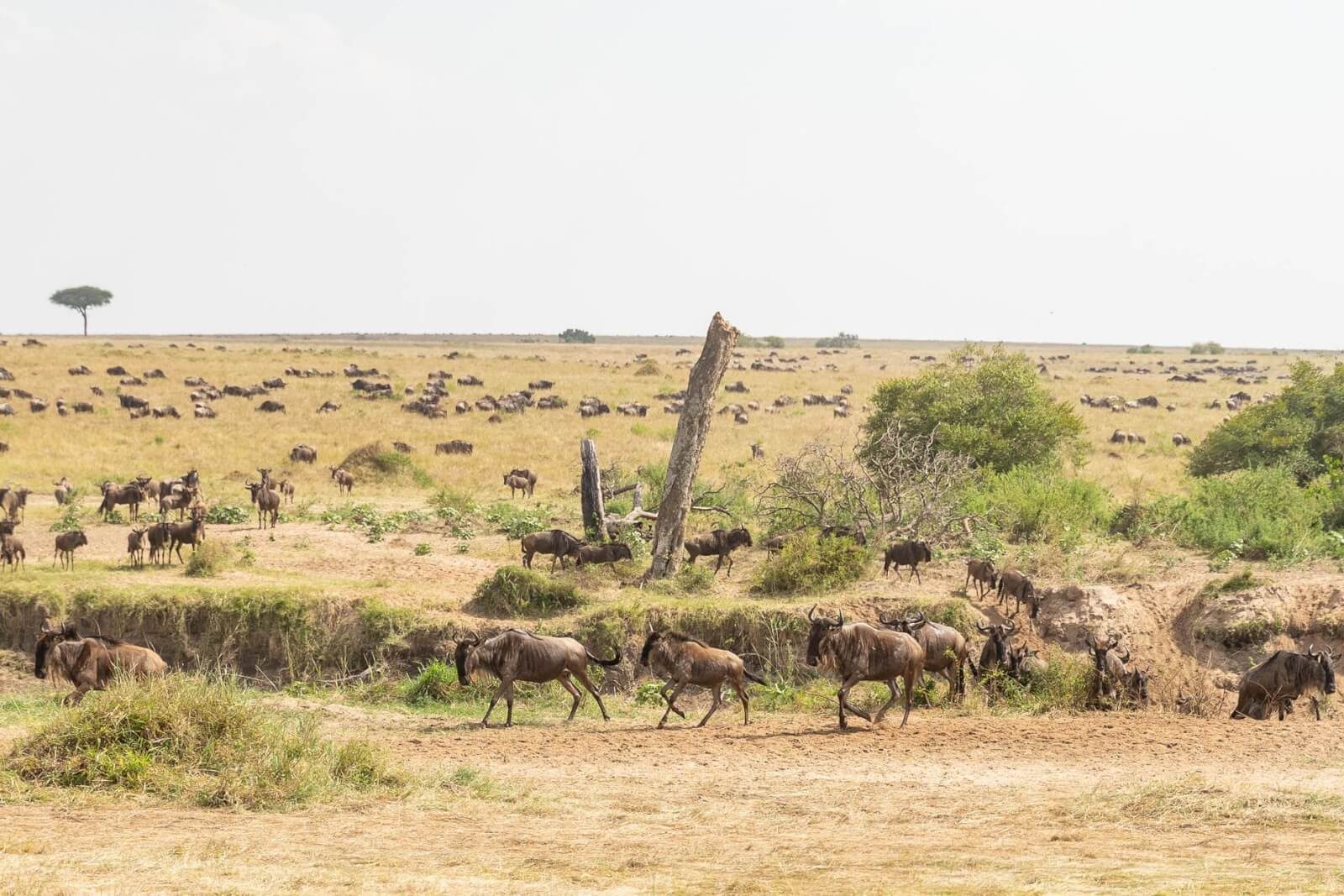
Peak season is when demand is highest, and when operators fill up fastest. If you want Kenya’s Great Migration in July, Japan’s cherry blossoms in late March, or Iceland’s northern lights in winter, you need to move well in advance. At the 4 to 6 month mark, you get the widest selection of operators, the best lodging options, and in many cases, early-bird discounts of 10 to 20%.
The Adventure Travel Trade Association reports that peak-season tours in East Africa sell out an average of 3 to 4 months before departure. Wait longer than that and you’re choosing from what’s left: smaller operators, less desirable accommodation tiers, and higher prices for whatever remains.
Shoulder Season: 2 to 3 Months Is Enough
Shoulder season, the weeks just before and after peak, is the smart traveler’s best friend. Demand is lower, operators run full itineraries, and prices typically drop 15 to 30% compared to peak. Booking 2 to 3 months out gives you solid availability without the urgency.
Visiting Turkey in October instead of July means fewer crowds at Cappadocia’s balloon launches, cooler hiking temperatures across Ephesus, and meaningfully lower tour prices. The destination is largely the same. The experience is often better.
Last-Minute: 2 to 4 Weeks Out
Some operators discount unsold seats 2 to 4 weeks before departure to avoid running at partial capacity. These deals can, but the trade-offs are real. Limited destination choices. Fewer date options. Less time to prepare, sort out visas, or arrange your own flights around the tour.
This strategy works best for flexible travelers who can commit quickly and aren’t fixed on a specific itinerary. It’s a poor strategy for bucket-list experiences with limited capacity, more on that below.
How Far Ahead to Book, by Destination


Booking timelines vary significantly by destination. This table reflects general booking-timing patterns by destination:
| Destination | Peak Season | Book By | Shoulder Season |
|---|---|---|---|
| Kenya safari | Jul to Oct | March to April | Nov to Dec, Apr to May |
| Japan cherry blossom | Mar to Apr | October to November | May to Jun, Oct to Nov |
| Iceland northern lights | Oct to Mar | July to August | Apr to May, Sep |
| Turkey | May to Sep | February to March | Oct to Nov, Mar to Apr |
| Albania | Jun to Sep | March to April | May, Oct |
| Tanzania safari | Jun to Oct | February to March | Nov to Dec, Mar to May |
| Egypt | Oct to Apr | July to August | May, Sep |
| Rwanda gorilla trekking | Jun to Sep, Dec to Feb | 6+ months ahead | Mar to May, Oct to Nov |
| Dubai/UAE | Nov to Mar | August to September | Apr, Oct |
| Georgia | Jun to Sep | March to April | May, Oct |
The consistent pattern: for most destinations, book 4 to 6 months before the start of peak season. That’s when selection is widest and prices are at their floor before demand drives them up.
When Tour Prices Drop: 5 Money-Saving Patterns


Tour pricing isn’t random. Operators follow predictable patterns you can use to your advantage.
1. Shoulder Season Discounts
This is the single biggest lever for most travelers. Shoulder season delivers nearly the same weather and experiences as peak, with significantly fewer crowds and lower prices. A Kenya safari in November, or Iceland in September, lands in shoulder season — fewer crowds and better value than peak dates.
2. Early-Bird Pricing
Many operators offer early-bird discounts for bookings made 6+ months in advance. This benefits both sides: operators get cash flow certainty, and you lock in a lower price before demand moves rates up. Early-bird pricing is most common for multi-day safaris, adventure expeditions, and luxury small-group tours.
3. Last-Minute Deals
When operators have unsold seats 2 to 4 weeks before departure, prices drop. The savings can be substantial, but availability is unpredictable. Check ToursZoom listings regularly if you’re flexible on dates and destinations. Don’t count on last-minute availability for anything with a small group size or limited departures.
4. Group Booking Discounts
Booking as a group of 4+ often qualifies for a per-person discount. Some operators extend this to 6+ travelers. This is especially common in safari and overland tour segments, where operators want vehicles full. Even if you’re not traveling in a large group, some formats let you join an existing group departure at a reduced rate.
5. Off-Season “Secret Season” Deals
Some destinations have an off-season far better than its reputation suggests. Turkey in March offers mild weather and nearly empty archaeological sites at 30%+ below summer prices. Albania in May has warm days, blooming landscapes, and a fraction of the summer crowd. These windows are when local operators run their most competitively priced itineraries to drive volume, and when the experience can genuinely be better than peak.
How to Actually Save Money on Tours

Beyond timing, a few practical strategies consistently reduce what you pay.
Compare operators on a marketplace. The easiest way to overpay is booking the first operator you find. Prices for similar itineraries vary by 30 to 50% between operators in the same destination. ToursZoom lets you compare verified operators side by side, filter by price, see what’s included, and read cross-platform reviews before you commit. For destinations like Kenya and Tanzania, where dozens of operators run overlapping safari routes at very different price points, this comparison is worth taking seriously.
Be flexible with dates. Even a one-week shift can drop the price meaningfully. Departing Tuesday instead of Saturday, or choosing the first week of a month over the last, sometimes triggers different pricing. Operators occasionally set different rates for different departure dates within the same season based on expected demand patterns.
Look at smaller or newer operators. Established operators with strong brand recognition charge premium prices. Smaller or newer operators often price more competitively to win early bookings, so a lower price doesn’t automatically mean lower quality — what an operator is vetted on matters more than the number.
When NOT to Delay Booking

Patience usually saves money. But there are specific situations where waiting is the wrong call entirely.
Limited-capacity experiences. Rwanda limits gorilla trekking permits to 96 per day across all national parks. Balloon safaris over the Serengeti operate a fixed number of baskets each morning. These don’t flex with demand, they’re simply full. If a limited-capacity experience is the centerpiece of your trip, book it first. Ideally 6 to 12 months ahead.
Festival and event periods. Tours timed to specific events, Japan’s cherry blossom season, Kenya’s Great Migration river crossings, Turkey’s Whirling Dervishes ceremonies in Konya, sell out months in advance. The dates are fixed and operators can’t add departures. Book as early as the operator allows.
Small group tours. Small-group tours (under 12 people) fill faster than large-group departures simply because there are fewer seats. A luxury Iceland small-group tour will have a waiting list long before a 30-person bus tour does. If small-group format matters to you, book at least 4 to 5 months ahead.
Holiday travel windows. Christmas, New Year, Easter, and school holiday periods spike demand across almost every destination. Operators in Dubai, Egypt, and Southeast Asia report that holiday-period tours sell out 3 to 5 months in advance. If your dates are locked to a school holiday, treat it like peak season regardless of the destination’s natural seasonality.
Frequently Asked Questions
How far ahead should I book a tour for the best price?
The best price usually comes from booking 6+ months ahead (early-bird) or 2 to 4 weeks before departure (last-minute). The 6-month window is more reliable. For most travelers, 3 to 4 months ahead balances price, availability, and peace of mind.
Are last-minute tour deals worth the risk?
For genuinely flexible travelers, yes, savings of 20 to 40% are real. They work well for popular group tour routes with frequent departures. They’re a poor strategy for bucket-list experiences or if you have flights already booked around specific dates.
What is the cheapest month to book a tour?
There’s no single cheapest month globally, peak and off-seasons vary by destination. January and September tend to be lower-demand periods for many destinations. Identify your destination’s shoulder season and target that window.
Do tour prices go down closer to departure?
Sometimes. Operators may reduce prices 2 to 4 weeks out to fill remaining seats. But popular tours and small-group itineraries are more likely to sell out than drop in price. Waiting only works if you’re genuinely flexible about which tour you take.
Is it cheaper to book through a marketplace or directly with the operator?
Marketplaces like ToursZoom often match or beat direct booking prices because they give you visibility across multiple operators simultaneously. The real value is comparison: seeing four similar itineraries side by side makes it easy to spot the best value.
Final Thoughts
Timing isn’t complicated once you know the pattern. Book 4 to 6 months ahead for peak season, 2 to 3 for shoulder, and only gamble on last-minute if you can accept whatever’s left. The biggest savings come from shifting your dates by a few weeks rather than hunting for discounts. You pick the month, you pick the savings. The marketplace does the comparison work so you’re not paying.