
Some links in this article may earn ToursZoom a commission at no extra cost to you — see our affiliate disclosure.

How structured is it? Will you be herded around like cattle? Is it worth the money, or could you do the same trip cheaper on your own?
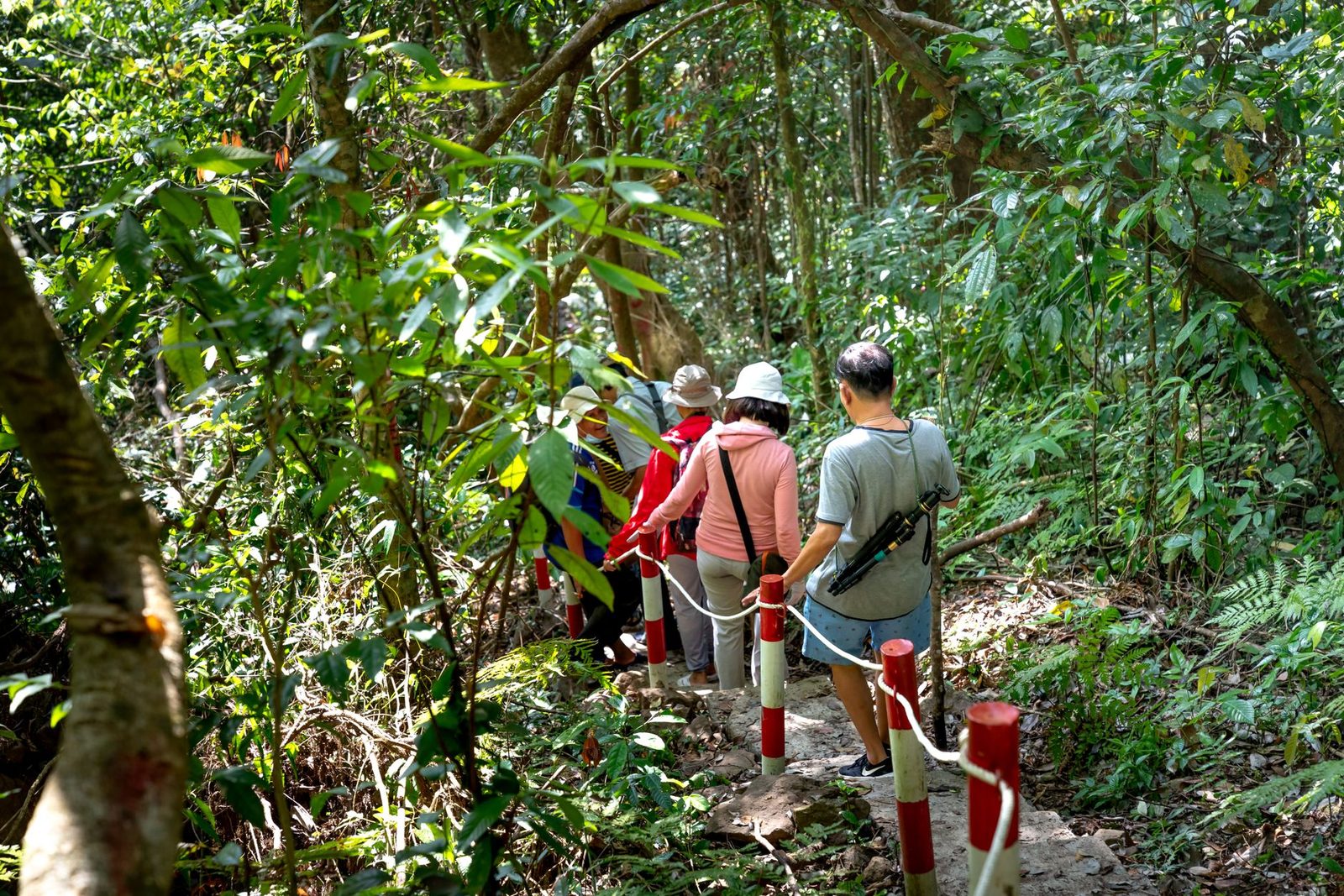
Those are fair questions. And if you’ve never joined a group tour before, the whole thing can feel like a black box. If you’re trying to understand how group tours work before you commit, this guide covers the full arc, from the moment you book to the final airport transfer. Group tours follow patterns that stay consistent across destinations once you know what to look for.
How Group Tours Are Structured

Every group tour follows a roughly similar arc, whether you’re hiking in Iceland or exploring temples in Japan. Here’s what that arc looks like.
Before You Leave Home
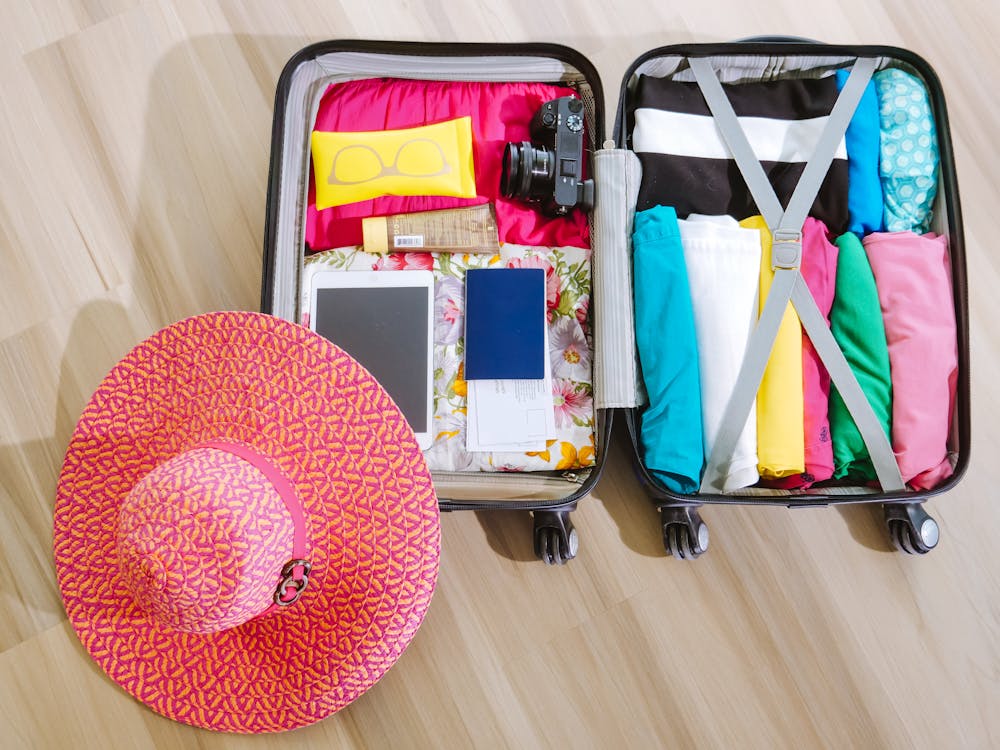
Once you book, you’ll typically pay a deposit, usually 15-30% of the total price, to hold your spot. The remaining balance comes due 60-90 days before departure. In that window, your operator sends a pre-trip information pack covering:
- Detailed day-by-day itinerary
- Packing list and gear recommendations
- Visa requirements and travel insurance guidance
- Emergency contacts and meeting-point instructions
- A brief intro to your lead guide (many operators now send a short video)
Some operators set up a group chat or online forum before the trip. Small detail, but it means Day 1 doesn’t feel like showing up to a blind date with 14 strangers.
Day 1: Arrival and Orientation
Most tours begin with an airport pickup or a meeting point at a designated hotel. Your guide introduces themselves, runs through the itinerary, covers health and safety basics, and fields last-minute questions. The first evening usually includes a welcome dinner. This is where the group starts to gel. By the time you push back from the table, you’ll know at least a few names.
The Typical Daily Flow
After Day 1, the rhythm settles into a pattern:
- 7:00-8:00 AM, Breakfast at the hotel or guesthouse
- 8:30-9:00 AM, Depart for the morning activity (guided visit, hike, cultural site)
- 12:30-1:30 PM, Group lunch or free time to find your own meal
- 2:30-5:00 PM, Afternoon activity or optional excursion
- 5:00-7:00 PM, Free time for rest, shopping, or independent exploration
- 7:30 PM, Group dinner (often optional in the second half of the trip)
The balance between structured and free time varies by operator. Adventure-focused tours tend to fill every hour. Cultural tours leave more breathing room. A well-designed itinerary gives you enough structure that you never feel lost, and enough free time that you never feel trapped.
The Last Day
Final days include a farewell breakfast or dinner, contact-sharing, and airport transfers. Many operators also send a post-trip feedback survey, fill it out. That’s how the good operators improve. Some groups stay connected for years through WhatsApp. A few book their next trip together before they’ve even cleared customs.
Group Sizes: What the Numbers Mean
Group size is one of the biggest factors shaping your experience. It’s worth understanding the trade-offs before you book.
Small Group (4-8 Travelers)
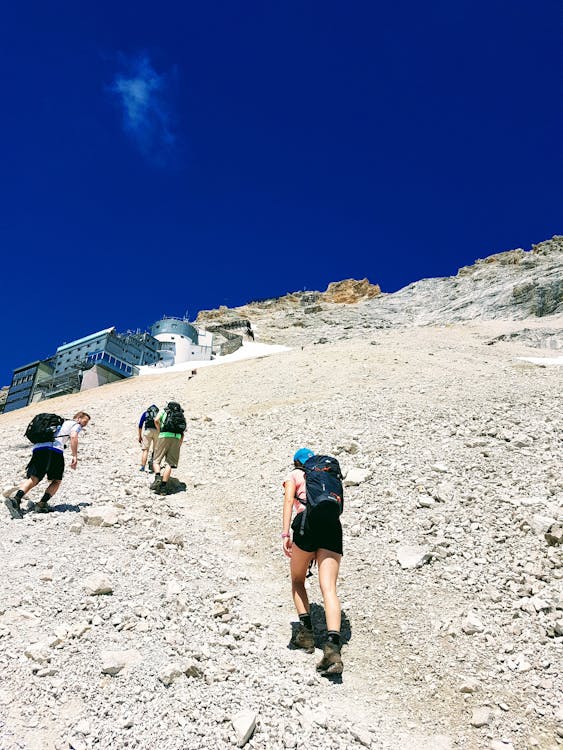
Small-group tours feel more like traveling with friends than joining an organized trip. Your guide can adapt the pace, detour on a whim, and give each person meaningful attention. The trade-off is price: a smaller group splits the fixed costs — guide, vehicle, permits — across fewer people.
Best for: Travelers who value flexibility, introverts, photographers who need time to set up shots, and anyone willing to pay more for a personalized experience.
Standard Group (10-16 Travelers)
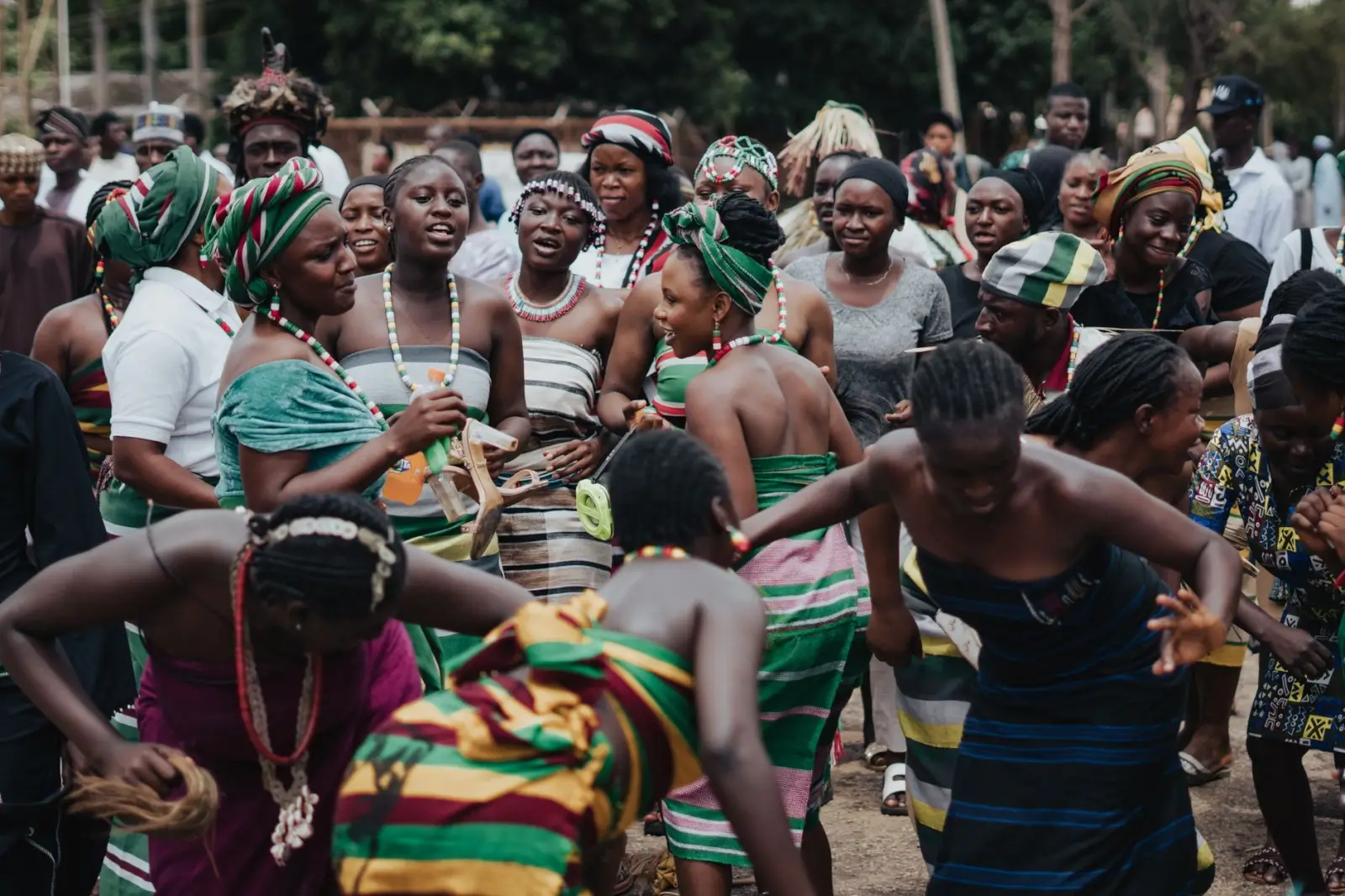
This is the sweet spot for most operators, and most travelers. Large enough to be social and economically efficient, small enough that you’re not waiting in queues or struggling to hear your guide. According to the Adventure Travel Trade Association, the average group tour worldwide carries 12 participants.
Best for: First-time group travelers, social travelers, and anyone looking for the best balance of cost and experience.
Large Group (20-40 Travelers)
Large-group tours are the most budget-friendly option. They work well for straightforward itineraries, coach tours of European highlights, for example, but sacrifice personalization. You’ll spend more time waiting, have less access to your guide, and eat at restaurants selected for capacity rather than quality.
Best for: Budget-conscious travelers, those who enjoy a lively social atmosphere, and travelers on well-trodden routes where flexibility matters less.
How Group Size Affects Your Experience
What’s Included (And What’s Not)
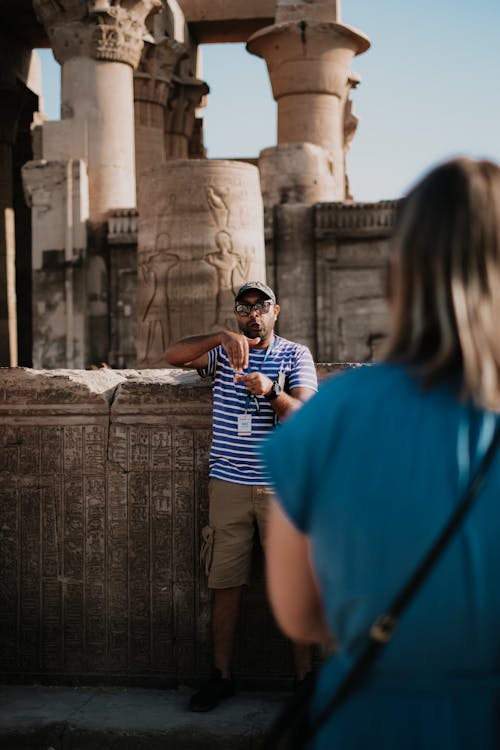
This is one of the most common sources of confusion for first-time group travelers. The headline price almost never covers everything. Understanding what’s in, and what’s out, helps you budget accurately.
Typically Included
- Accommodation, Hotels, guesthouses, lodges, or camping (as specified in the itinerary)
- Ground transport, Minibus, 4×4, coach, or boat between destinations
- Professional guide(s), Lead guide and often local specialist guides at key sites
- Key activities, Major excursions and entrance fees on the itinerary
- Some meals, Almost always breakfast; lunch and dinner coverage varies
Usually Extra
- International flights, You book these yourself (which gives you flexibility on departure city and loyalty programs)
- Travel insurance, Required by most operators but purchased separately
- Optional activities, Hot air balloon rides, spa visits, specialty excursions
- Tips and gratuities, For guides, drivers, and hotel staff
- Some meals, Particularly dinners and lunches in cities with many restaurant options
- Visa fees, Your responsibility to arrange before travel
- Personal expenses, Souvenirs, extra drinks, laundry
Why Breakfast Is Always Included But Dinner Usually Isn’t
When reviewing itineraries, look for the meal count. A 10-day tour that says “10 breakfasts, 6 lunches, 3 dinners” is giving you a clear picture. If the listing just says “some meals included,” ask for specifics before booking.
What Makes Some Tours More Expensive?
- Remote logistics, Flying supplies to a Namibian desert camp costs more than busing to a Turkish hotel
- Park and permit fees, East African national park fees alone can add per day
- Accommodation tier, A tented safari camp vs. a luxury lodge can double the daily rate
- Small group size, Fewer people to split fixed costs means a higher per-person price
- Specialist guides, Ornithologists, marine biologists, and Egyptologists command premium rates
Hidden Costs to Budget For
Plan an additional 15-25% on top of the tour price for extras:
- Tips: Industry standard is per day for guides and drivers combined
- Optional excursions: Hot air balloon over Cappadocia, gorilla trekking permit in Rwanda
- Non-included meals: Budget depending on the destination
- Single supplement: Traveling solo? You may pay
- Visa fees: Turkey e-visa, Kenya eTA, Egypt e-visa
A Day in the Life of a Group Tour
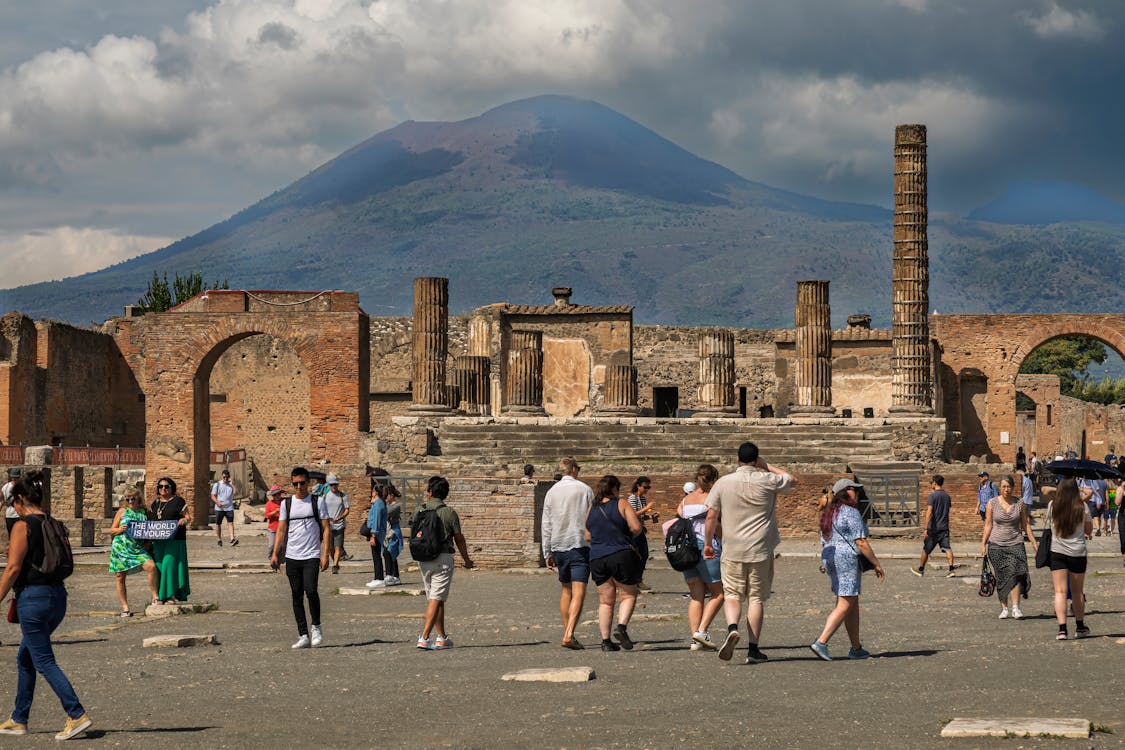
Reading about itineraries is one thing. Knowing what a group tour actually feels like is another. Here’s what a typical day looks like, based on thousands of traveler accounts ToursZoom has reviewed.
6:45 AM, Your alarm goes off. The sunrise through the hotel window looks promising. You hear footsteps in the hallway, a few early risers are already heading down.
7:15 AM, Breakfast in the hotel dining room. The buffet has local staples and a few familiar options for cautious eaters. You sit with two people from last night’s dinner and pick up the conversation where you left off.
8:30 AM, Everyone gathers in the lobby. Your guide does a quick headcount, confirms the day’s plan, and mentions that the afternoon activity is optional for anyone who wants free time instead. The minibus is already running outside.
9:15 AM, You arrive at a historic site. The guide walks the group through the history while you take photos. A local specialist joins for 30 minutes and shares things you’d never find in a guidebook. Someone asks a question that sparks a 10-minute tangent. It’s the best part of the morning.
12:00 PM, Lunch at a family-run restaurant the guide knows personally. The food is excellent and. Half the group tries the local specialty. Both halves are happy.
1:30 PM, Back on the bus for a scenic 45-minute drive. Some people nap. Others swap travel stories. The guide plays a local music playlist through the speakers.
2:30 PM, Afternoon activity: a moderate hike to a viewpoint, a market visit, a cooking class, or a boat ride, depends on the itinerary. The pace is relaxed. Nobody is rushing.
5:00 PM, Free time. Some people rest. Others wander the neighborhood. A few plan to meet at a rooftop bar someone found.
7:30 PM, Group dinner (optional tonight). About two-thirds of the group joins. The conversation ranges from career changes to bucket-list destinations to who has the worst jet lag. You exchange contacts with someone who turns out to live 20 minutes from you back home.
9:30 PM, Back at the hotel. You review tomorrow’s itinerary in the group chat, charge your camera, and fall asleep easier than you have in months.
The Social Side: What’s It Really Like?

The social dynamic is the part of group tours that people worry about most, and enjoy most. Here’s what to realistically expect.
Age Ranges and Demographics
Group tour demographics vary by destination and price point, but the mix is broader than most people assume. Budget adventure tours skew younger (25-40). Mid-range cultural tours attract a wide spread (30-65). Premium and safari tours often draw older travelers and couples (45-70). The common thread is curiosity, not age, and that’s what makes the conversations worthwhile.
How Friendships Form
Shared meals and shared experiences accelerate connection in a way that everyday life rarely does. By Day 2, you’ll know everyone’s name. By Day 4, you’ll have inside jokes. By the last day, exchanging contacts feels natural, not forced.
Free Time vs Group Time
Well-designed tours build in 2-4 hours of free time daily. This isn’t accidental. Operators know that too much togetherness creates fatigue. Use free time however you want: explore solo, read at a café, or join a subgroup heading to a market. Nobody tracks your movements during free hours.
What If You Need Alone Time?
You can always skip optional activities. Most guides understand that some travelers recharge alone and won’t pressure you to join every group dinner or evening outing. A simple “I’m going to take tonight off” is enough, no explanation needed.
Common Concerns Addressed

“Will I Be the Only Solo Traveler?”
Almost certainly not. Industry data consistently shows that 30-40% of group tour participants are solo travelers, and on some departures that number climbs above 50%. The UN World Tourism Organization has tracked solo travel as one of the fastest-growing segments in guided group travel. Group tours are one of the most popular formats for people going it alone.
“What If I Don’t Like the Group?”
It happens, but less often than you’d think. With 10-16 people, you’re very likely to find at least a few you connect with. If the overall dynamic isn’t your style, lean into free time, seek out the quieter members of the group, and remember that the destination is the main event. A mediocre group on a great itinerary still makes for a good trip.
“Is the Pace Too Fast or Too Slow?”
This is the most preventable disappointment in group travel. Before booking, check the itinerary for the number of activities per day, driving distances, and labeled difficulty levels. Look for reviews that mention pacing specifically. If the operator labels a tour “active” or “expedition,” expect early starts and full-day rhythm. If it says “relaxed” or “leisurely,” expect slower mornings and more downtime.
“What About Dietary Needs?”
Reputable operators accommodate vegetarian, vegan, gluten-free, halal, and kosher diets, but only if you tell them in advance. Flag your requirements at the time of booking, not on Day 1. Most reputable operators include a dietary requirements field in their booking form. Use it.
Frequently Asked Questions
How far in advance should I book a group tour?
For peak-season departures like Kenya’s Great Migration (July-October) or Japan’s cherry blossoms (March-April), book 3-6 months ahead. For off-peak or less popular routes, 4-8 weeks is usually sufficient.
Can I leave a group tour early if I don’t enjoy it?
Technically yes, but you’re unlikely to receive a refund for unused days. Most operators include early-departure terms in their booking conditions. If you have concerns, choose a shorter tour (3-5 days) for your first experience.
Do group tours work for couples?
Very well. Couples get the social benefit of meeting other travelers while still having private time together during free hours and in their shared room. The group dynamic takes the pressure off daily planning that causes travel friction.
What happens if a group tour doesn’t reach minimum numbers?
If a departure doesn’t reach its minimum (usually 4-6 people), the operator notifies you 30-60 days before departure. You’re offered an alternative date, different itinerary, or a full refund. This is standard across the industry.
Are group tours safe for women traveling alone?
Group tours are widely regarded as one of the safest formats for solo women. You’re never navigating unfamiliar areas alone at night, your guide handles local interactions, and the group provides a built-in safety net. A 2025 Solo Female Travelers Network report found 74% of solo women chose group tours specifically for safety.
Final Thoughts
Group tours work because they solve three problems at once: logistics, cost, and company. You don’t plan the route. You split the major expenses. You land on Day 1 with a group that’s in the exact same position you are. Ten years ago the format had a real cattle-call reputation. Today, with small sizes and thoughtful operators, that’s largely gone. If you’ve been hesitating because you pictured a 40-person coach, book a small-group departure and see what actually happens.